The iPhone 18, released in September, was the first of Apple's flagship models to use the company's in-house C2 cellular modem. It ended a 15-year arrangement with Qualcomm, whose chips had been used in every iPhone since the iPhone 4, excluding some of Apple's budget 'e' series.
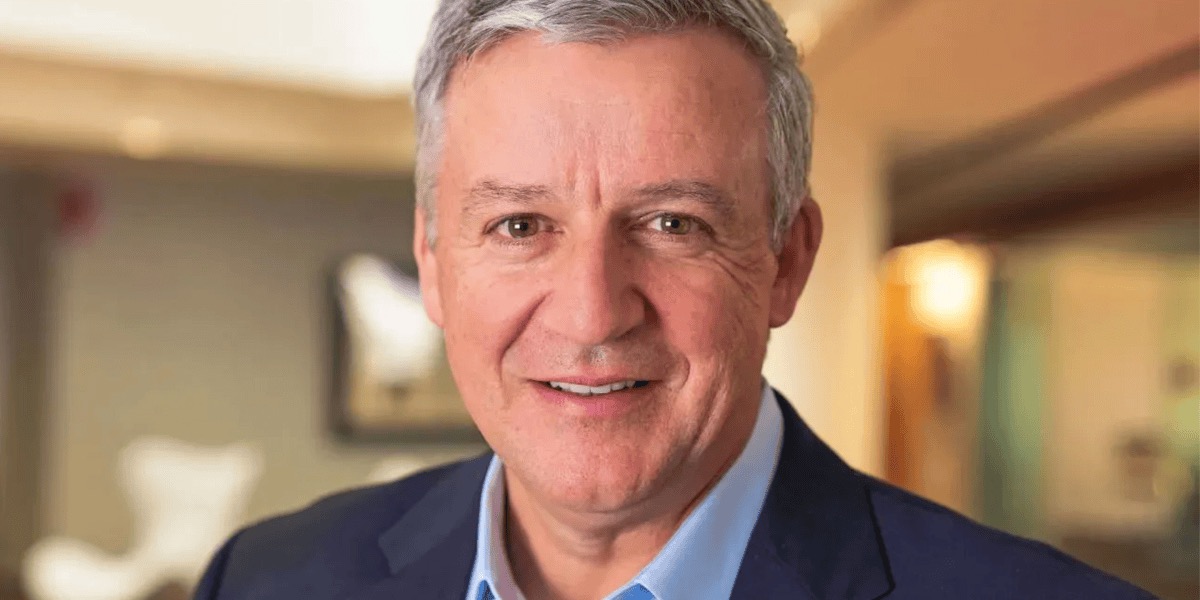
Don McGuire, Qualcomm's chief marketing officer, describes the stakes plainly. 'You take us out and your iPhone becomes an iPod, basically,' he said, explaining how the chips connect devices to a mobile network. He added that the company knew the end of Apple's reliance was coming.
The numbers arrived faster than management expected. According to chief executive Cristiano Amon, revenue from Apple products would decline faster than anticipated because of supply constraints. In the year to September, Qualcomm's total revenue fell 3% to $43.1 billion. Chip sales were down 26% in the final three months to September.
McGuire argues that losing a single anchor customer is, in its own way, a benefit. 'It's actually very freeing when you can rebalance your customer ecosystem,' he said. 'Are we in the iPhone? Are we not in the iPhone? I don't care.'
The replacement strategy runs through laptops, cars, smart-home devices, wearables and data centers. Qualcomm expects revenue outside its mobile chip business to grow by more than 60% in 2027. In June it unveiled a new line of data center chips and is targeting $5 billion in data center revenue in 2027. That market is currently dominated by Nvidia, whose data center business accounted for 92% of its revenue in its latest quarterly results.
To sell that range, McGuire split the company into three brands. Snapdragon covers consumer processors in phones, laptops and cars. Dragonwing covers industrial and robotics. Dragonfly, launched in June, covers data center products, including server processors and AI chips. Each audience demands something different. Device makers buy chips, but consumer demand still drives their orders. 'The more people look for a Snapdragon laptop, the more chips Dell, Samsung, and others order,' McGuire explained, which is why the company is spending on sponsorships such as Manchester United and the Mercedes Formula 1 team.
Data center buyers are another matter. The people signing off on those purchases are cloud companies and finance chiefs, for whom cost matters most. Qualcomm competes with Nvidia on price and power use, a growing concern as data centers' electricity demands rise. 'Nobody does performance per watt better than we do,' McGuire said. The company has already signed Meta and AWS.
The expansion has stretched the marketing team, which McGuire says has not grown as fast as the company's ambitions. He wants the team to spend 75% of its time on planned work and 25% on urgent, last-minute requests. Last year those proportions flipped. 'I knew this wasn't going to be sustainable,' he said. In January he rebuilt the department's structure around AI.
The market will judge this pivot the way it judges every pivot: by margins, not slogans. Qualcomm has traded a dependable anchor customer for a portfolio that must win contracts against entrenched rivals. Capital rewards that kind of bet only when the diversification shows up in revenue, and the next two years will show whether it does.