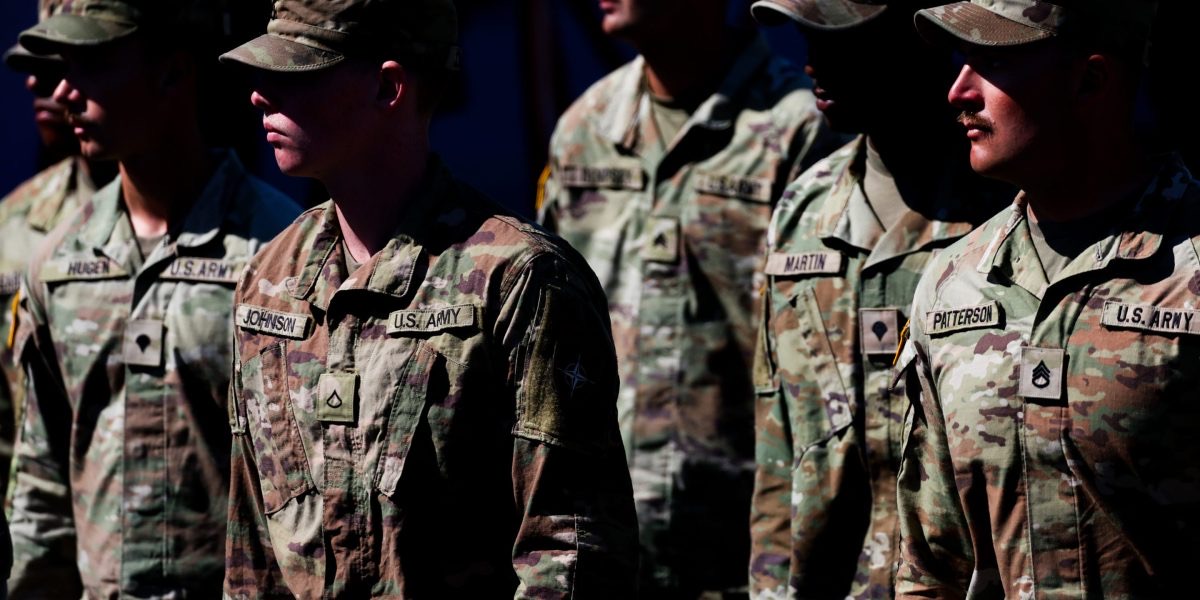
The Pentagon is barring U.S. lawmakers from visiting military bases in the Gulf, and former defense officials warn the move is straining relations between the executive and legislative branches while raising hard questions about how much the Iran war is costing.
In March, Secretary of Defense Pete Hegseth published a memo to 'further discourage visits' to the U.S. Central Command area of responsibility by members of Congress and their staffs. The memo states that 'no DoW support shall be made available for congressional travel to the USCENTCOM AOR without my approval.'
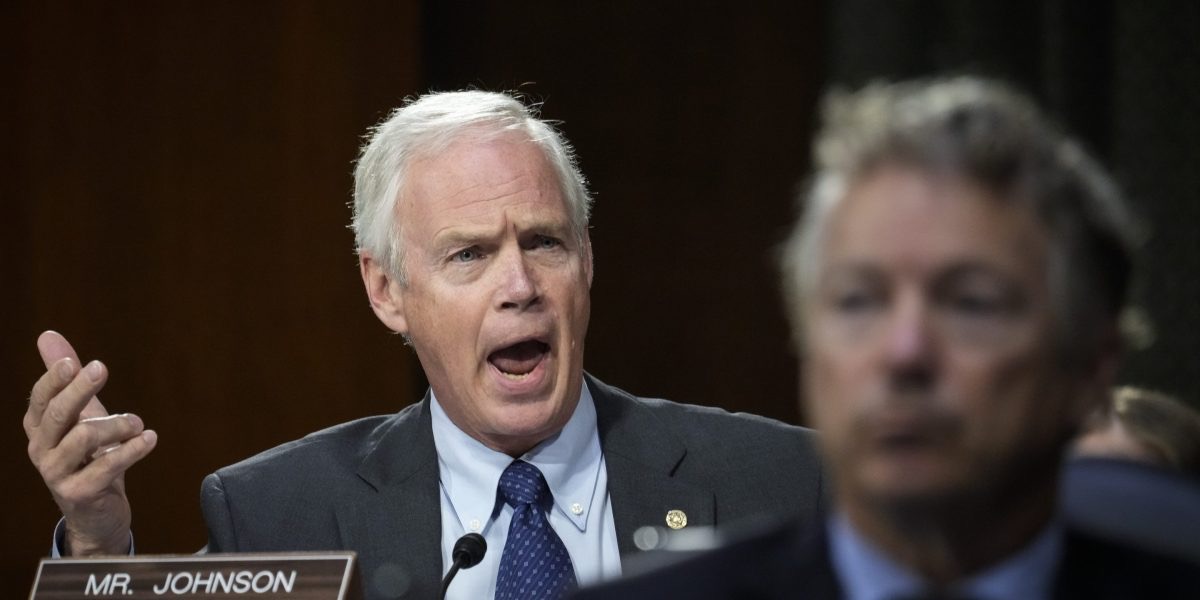
Connecticut Democrat Sen. Chris Murphy said the Pentagon blocked him from visiting Al Udeid Air Base in Qatar and from meeting military leadership. In a video posted to Facebook, Murphy said, 'While I have been a member of Congress, I have never, ever been denied access to military facilities.' Iowa Republican Sen. Joni Ernst was reportedly turned away from a base visit around the same time, according to The Atlantic. Ernst did not respond to Fortune's request for comment.
Evelyn Farkas, executive director of the McCain Institute at Arizona State University and a former deputy assistant secretary of defense, put it bluntly: 'It smells like a lack of transparency in order to thwart Congressional oversight, in order to either hide that the Iran war is costing more, or to use the Iran war as an excuse to get more money.'
The stakes for the taxpayer are large. The Pentagon is seeking $1.5 trillion in allocations, the largest defense budget in U.S. history, to modernize infrastructure and restock munitions drained in the Gulf conflict. Hegseth has also refused to provide information to the Congressional Budget Office ahead of its September update on the war's cost, and has sharply reduced routine press briefings.
The Pentagon has some operational arguments. Elizabeth Dent, a senior fellow at the Washington Institute for Near East Policy and former director for the Gulf and Arabian Peninsula in the Office of the Secretary of Defense, told Fortune that hosting a congressional delegation consumes military aircraft and personnel, and that visitors can be placed in harm's way during active threats.
Congressional visits have a long pedigree. Lawmakers have toured military sites during wartime since at least 1943, when five senators took a 65-day inspection tour of global bases. Farkas recalled a 2000s example in which a delegation to the Gulf after roadside bombs struck U.S. personnel led to a bipartisan push to ramp up production of armored vehicles that could better withstand the explosives.
The Iran war has also drawn congressional rebuke of its own. Articles of impeachment against Hegseth were introduced this month and did not pass, in part on the grounds that he began military conflict in Iran without congressional authorization.
The market has a simple test for any large spending request: show the numbers. A $1.5 trillion budget and an unverified war cost are a poor combination for anyone funding it. Oversight is not an obstacle to good defense policy; it is how taxpayers learn whether a dollar is buying deterrence or simply buying more time for a bureaucracy to avoid accountability. When the executive restricts the people's elected representatives from seeing the battlefield and the ledger, it asks Americans to trust a process that has not yet earned it. Power leaves a paper trail, and right now the trail leads straight to the Pentagon's own memo.