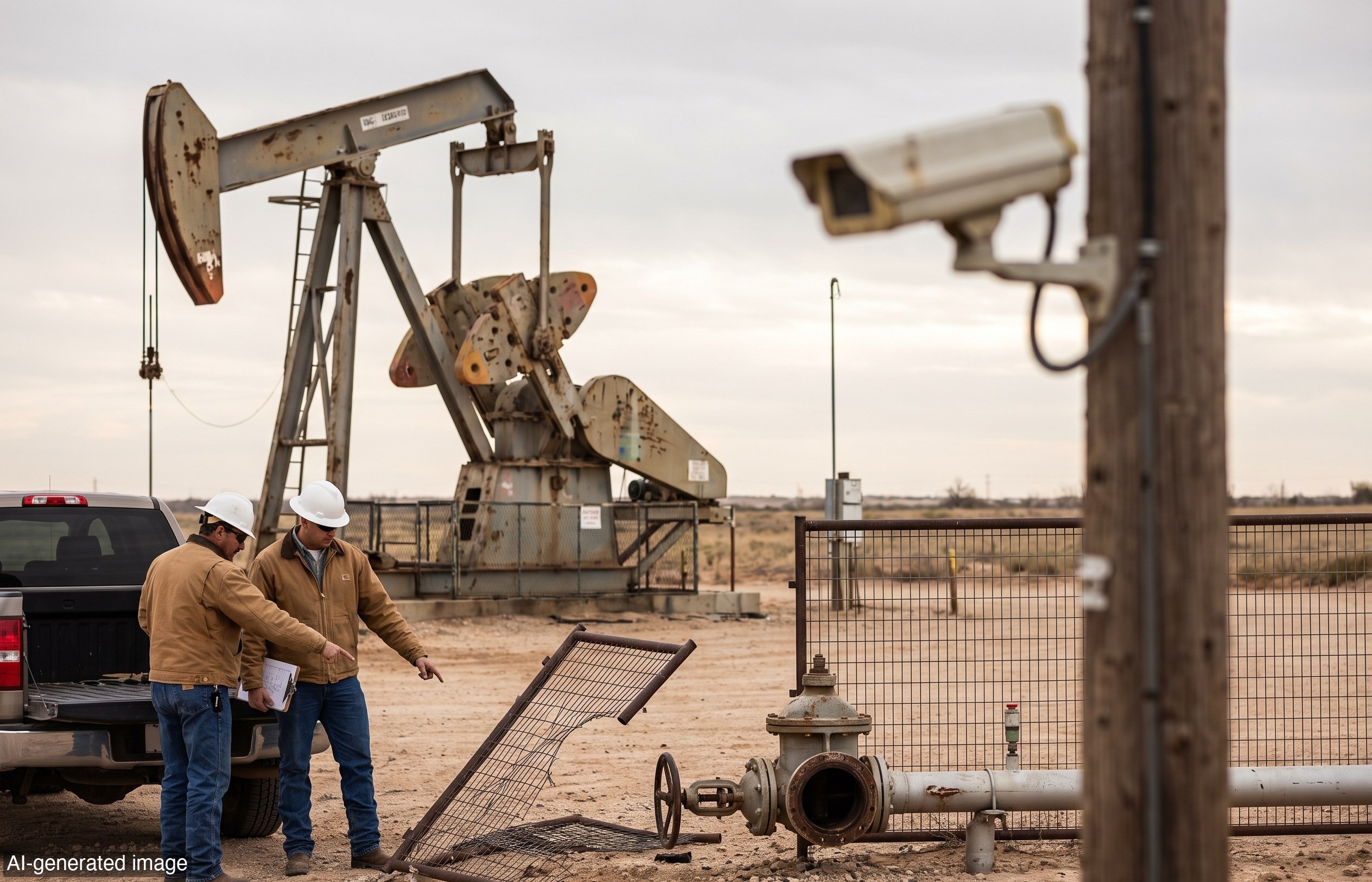
Oil theft is climbing across the Permian Basin, with nearly half of firms focused there saying their operations have been affected, according to the Dallas Fed survey cited in the report. By contrast, 86% of firms operating mostly outside the Permian said they were not impacted.
The price signal is hard to miss. West Texas Intermediate crude is up 60% so far this year, and fuel prices have risen even more as global refining capacity has fallen due to the Mideast and Russia-Ukraine wars. The Permian Basin, stretching across West Texas and southeastern New Mexico, remains the center of the shale revolution and a dense concentration of rigs, pipelines, trucks and other infrastructure.
That makes it a target-rich environment. U.S. oil prices have been hovering around $100 a barrel lately, and nearly half of the oil executives surveyed said the most common form of theft was targeted and organized. Another 42% described it as opportunistic petty theft.
The Dallas Fed also found that 32% of executives who were impacted said theft had increased slightly over the last 12 months, while 47% said it remained the same and 22% said it decreased slightly or significantly. Even so, 84% said the financial impact was low.
A year earlier, the Dallas Fed asked what was being stolen. Firms said 61% was crude oil; 58% piping, valves and wiring; 39% equipment; 27% tools; and 12% construction equipment and vehicles.
The theft is not just coming from outside actors. In August, executives from a wastewater disposal company were charged with felony oil theft, money laundering and organized crime. That case was part of Operation Black Market Basin, which resulted in the seizure of more than $12 million in petroleum products, vehicles, cash and other assets, according to the Texas Railroad Commission, which regulates the industry. The commission said the investigation involved petroleum allegedly acquired and sold across Texas, New Mexico and Oklahoma.
In April, federal prosecutors also announced charges in a large-scale oil theft conspiracy in the Permian Basin involving stolen crude oil moved across the New Mexico-Texas border for resale. Howard County Sheriff Stan Parker told Texas Public Radio in May that his county sees 'probably over 1,000, 1,500 barrels of oil reported stolen every month.'
His description captures the real cost of a high-price market with weak control points: more opportunity for organized theft, more pressure on operators, and more friction for the energy sector that powers American supply. Capital rewards clear rules, but crime thrives where valuable assets sit in open country and accountability is scattered.
For the taxpayer and the industry alike, the lesson is simple. When oil becomes more valuable, the incentive for theft rises with it. The market has already voted, and the bill for security, losses and enforcement follows fast.



