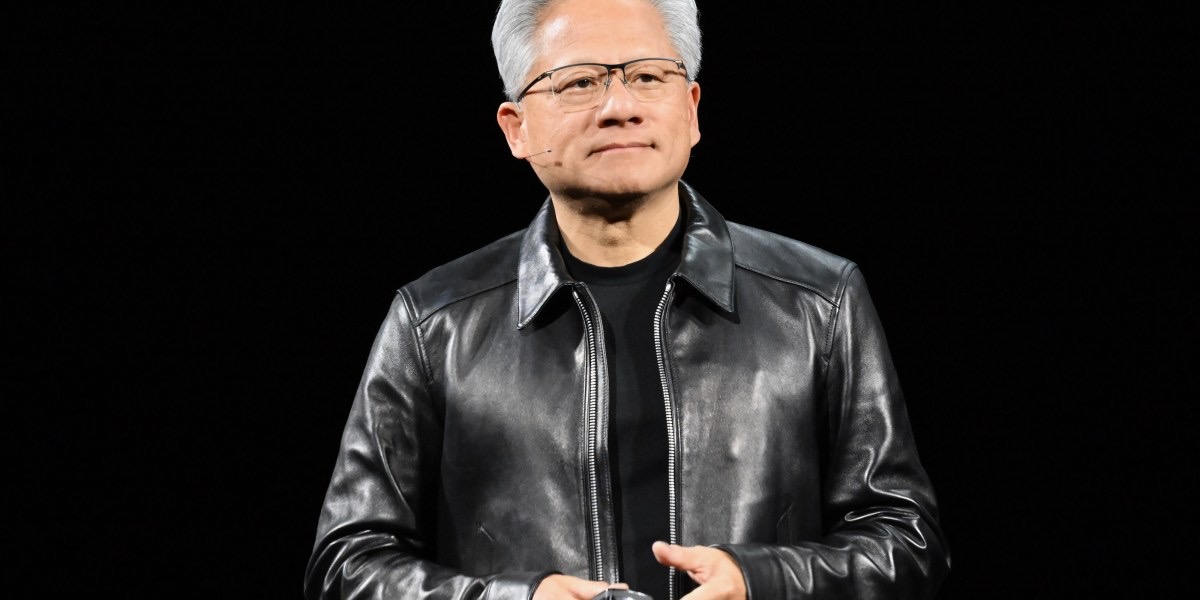
The Nvidia board has reinstated Jensen Huang as chief executive, even after he reportedly disclosed more affairs than had been publicly reported. According to the Wall Street Journal, Huang told the board on Sunday night about additional affairs 'beyond the two that had been widely reported.' Fortune reports that the decision came after a reversal that few in the boardroom expected.
The pressure to reverse course came from the top. According to the Wall Street Journal, President Trump called into the board meeting to urge the directors to take Huang back. The paper reported that Trump was less concerned with the affairs than with the markets, which he wanted to rebound. The Financial Times reported that Trump personally made $15 million in gains as the stock recovered.
The process was messy. Interim CEO Colette Kress, who has served as the company's CFO for 13 years, was reportedly sidelined. The Financial Times reported that the Sunday meeting was kept secret from her. Trump had also criticized her after a CNBC appearance, saying she was 'not a chip person.' The board had launched a search for a replacement, but the Wall Street Journal reported that few candidates were willing to take the job. Five days after ruling out Huang's return, the company walked the decision back.
The investigations are not over. Fortune reports that Huang, the company and its customers remain under review by the SEC, the FBI, the Commerce and Justice departments, three House committees, one Senate committee, an internal probe by Nvidia's outside counsel, and the California attorney general's office. Civil litigation is separate. Sen. Kevin Cramer (R-N.D.) said on Facebook that the legal and reputational risk now sits with the board, while the national security risk 'is passed along to the United States military and its citizens.'
The market has already voted on the leadership question, and it did not punish the outcome. Yet that reading misses the central issue. Shareholders own the company, and they are entitled to a clear account of why governance decisions were made under this kind of pressure. When a chief executive can be restored after an intelligence-related controversy, and the restoration is driven by a politician's interest in the stock price, the lesson for the market is that process matters less than outcomes.
For free enterprise, that is a warning. Capital rewards clear rules: independent boards, disclosed facts, and decisions made on governance grounds rather than phone calls from the White House. Whatever the final verdict of the investigators, the Nvidia episode shows how quickly a board's independence can be tested when the stakes are measured in billions of dollars.