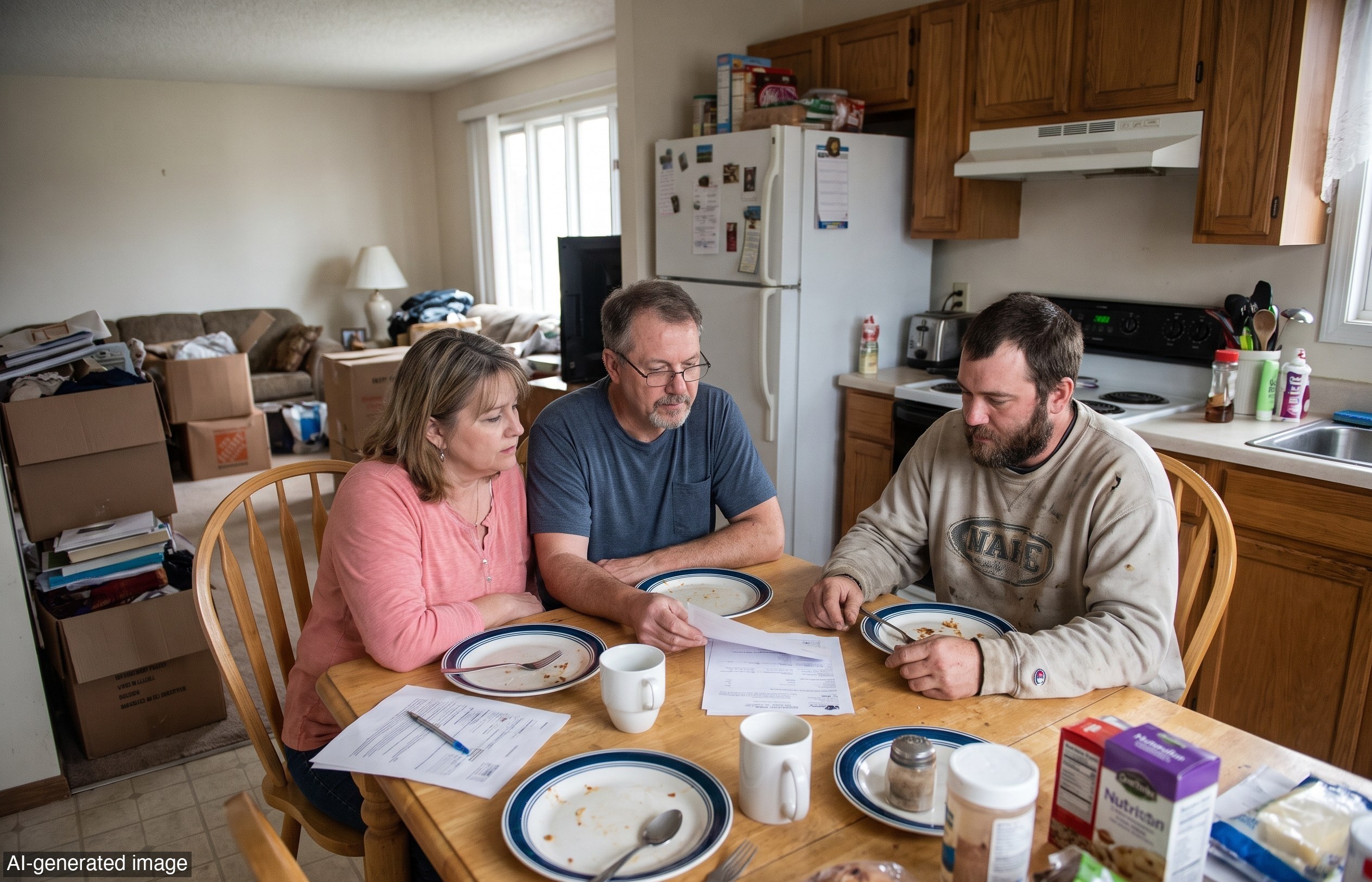
More young Americans are staying under the family roof well into their 30s as housing affordability keeps worsening, according to data cited by Zelman, a Walker & Dunlop Company.
Ivy Zelman, cofounder and executive vice president at the housing research firm, said during a roundtable discussion that 'since rates have been going up and affordability remains very stretched, we’re seeing [multi-generational living] increase.' She added that the firm expects the pattern to stay 'fairly stable' through the second half of the decade.
Fortune reported that around 22.4% of Gen Zers and millennials are now living with their families, up from about 15% in 1980. The firm predicts that share will not move by 2030. Zelman also said 'the negative stigma is really no longer prevalent' and that the U.S. is 'going to start looking a lot more like Europe: multi-generational living.'
The same report says only 44% of 20- to 39-year-olds could afford their median local rent. It also says older generations hold a much larger share of housing wealth, with baby boomers and Gen Xers up to 20 times more likely to own a second home than their 30-something counterparts.
Home equity now accounts for a fifth of boomer wealth, according to Zelman. Americans aged 70 and up have an average net worth of nearly $1.4 million, those aged 55 to 69 hold around $1.175 million, and Gen Zers and millennials under 40 have $100,000 to their names.
The report also cites a broader squeeze on household budgets. It says essential payments eat up 54.3% of income, the savings rate in the second quarter of 2026 hit 2.8%, and renters are cutting back on everything else. Around 42% of Gen Z renters say they do not have any money to spend on 'fun,' according to 2026 data from Ogilvy Consulting.
The price pressures are not isolated to housing. Zelman found gasoline CPI in August 2026 at 198% of its January 2000 level, food CPI up 112%, education up 193%, utilities up 168% and medical care up 132% over the same period.
The numbers come first. When rates rise and basic costs outpace paychecks, family living arrangements stop being a lifestyle trend and start looking like a survival mechanism. Capital rewards clear rules, but households cannot plan around an economy where essentials consume more than half of income.
That is the real warning in this trend. A market that leaves younger workers with less room to save, buy, or move out is not building broad prosperity. It is concentrating wealth upward while forcing the next generation to improvise at home.



