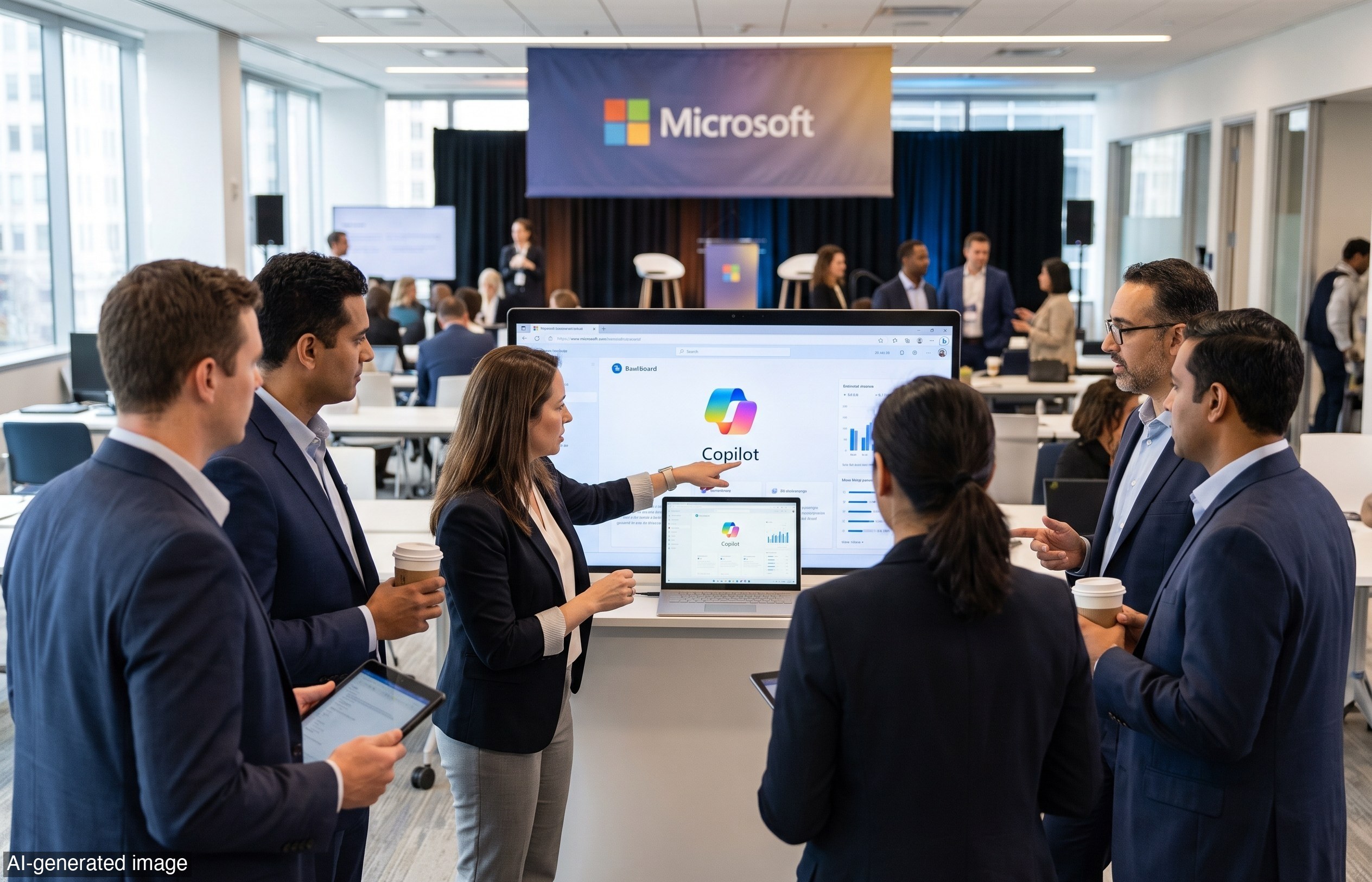
Microsoft unveiled a Copilot AI super app on Friday, aiming the company’s most capable AI tools at business customers.
The new app is designed as a central interface where users can chat with AI bots, use tools to finish tasks, write code, and access a new Autopilot feature that gives Copilot agentic capabilities. Microsoft described the redesign as a way to bring together features that had been spread across a sprawling collection of Copilot products.
The company is also plugging the app into Office tools. Users will be able to ask a bot to handle a task in an Excel spreadsheet or change a layout in a Word document. Microsoft said there will be a free version, but full access will require Microsoft subscriptions or workplace licenses. Enterprise customers and individual users will also have to pay extra based on usage of the most autonomous features.
Annie Pearl, corporate vice president of Copilot, said the goal is to make it 'an all-in-one productivity suite.' She said the platform is meant to be a place where users can ask questions, delegate complex multistep work, build software for internal and external use cases, and automate tasks through a 'digital worker or personal agent.'
The Autopilot feature lets users name an agent, assign it a role and a goal, and then set it to work on project updates, tracking work decisions and deadlines, reminding colleagues when commitments are due, gathering prep materials, and reaching out to partners.
The coding feature is aimed at non-software engineers who want to build apps, dashboards, or other tools and platforms, Pearl said. She added that it will become more powerful over time.
Most of the new features are rolling out through an early test program, and Microsoft has not set a timeline for general availability. The coding tool will reach Microsoft 365 Premium and Pro subscribers through the test program later this year. Autopilot will go through a more restricted testing phase, and broader rollout will depend on how testers rate the tools.
For Satya Nadella, the push is about subscriptions and staying relevant inside Microsoft’s most profitable software lane. The company is betting the new Copilot can deepen use of its existing business products while keeping pace with OpenAI and Anthropic, both of which are pushing enterprise offerings of their own.
Microsoft said in July that Microsoft 365 Copilot had surpassed 30 million paid seats, with net seats added doubling quarter over quarter. Its shares have also rebounded over the past six months on the strength of cloud computing, fueled by AI demand and Copilot growth.
The market has already voted on one part of the story: AI is now moving from novelty to paid workflow. Capital rewards clear rules, and Microsoft is trying to turn that shift into a larger toll booth on enterprise productivity. The question is whether customers will pay for one more layer of software, or demand that the administrative sprawl finally gives way to something simpler.



