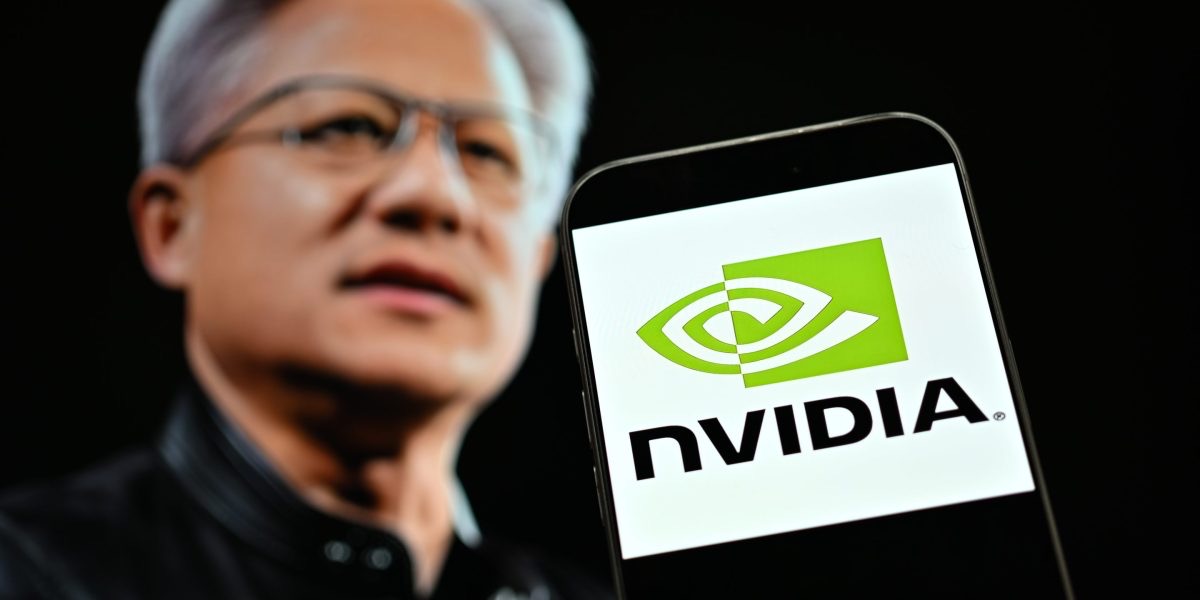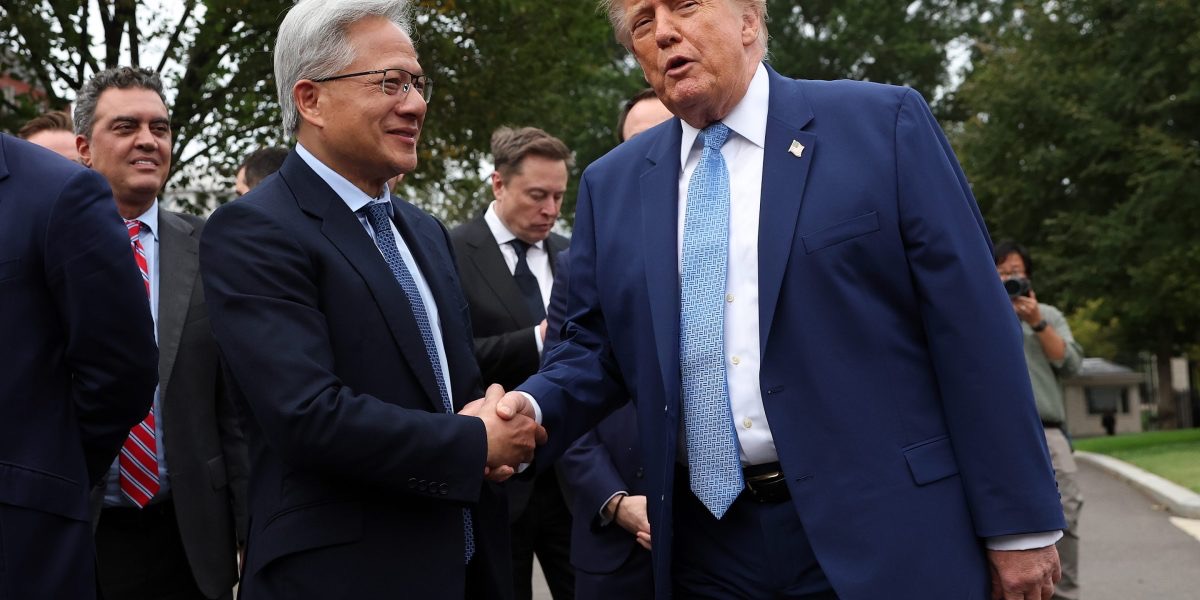
The numbers came first, and they were dramatic. Nvidia's board unanimously reinstated Huang as CEO after an 11-day timeout, and according to Fortune the stock rose 30% on the news, though it fell in premarket trading the following day after Monday's rebound. Investors clearly rewarded the return of the company's most important figure.
The board's decision was less clean than the market reaction. Huang faces a range of probes, investigations and lawsuits, including questions over whether he compromised national security, misled investors and violated corporate policies, according to Fortune. Prediction markets did not anticipate the reversal. Fortune reported that President Donald Trump took credit for the move, with a spokesman telling the outlet, 'we have to protect our geniuses.'
Fourteen leaders, four of them women, spoke to Fortune on condition of anonymity. Their criticism was pointed. One called it 'an embarrassment for our country to see how far we've dropped as a role model in leadership.' Another argued that Trump's involvement reinforced the crony capitalism Americans had just voted against. Several suggested checking whether any officials traded Nvidia stock ahead of the news. One non-U.S. CEO said Treasury Secretary Scott Bessent's shift from a tough stance to an olive branch suggests that 'even U.S. security and rule of law can now take a back seat to profit.'
The criticism extended to Nvidia's board, which leaders faulted for lacking a succession plan and for reversing course while investigations were mounting. One executive said the company had been left dependent on a single person, and another observed that the episode will make it harder to remove future leaders involved in inappropriate relationships. Some leaders were blunt about the reinstatement itself, saying Huang should not have been brought back while allegations were unresolved.
Not every voice was hostile. A leader in the AI space acknowledged a 'cult of personality' around Huang but argued that investor panic over his exit showed how central he is to Nvidia and to America's competition with China. 'You have to sometimes make shitty decisions, but without him, we're in a bad place,' that leader said. Even so, the same executive's defense rested on dependence rather than on any resolution of the charges.
The deeper issue is the principle. Fortune's sources described a 'troubling precedent,' with one CEO noting that 'when an executive is deemed indispensable, accountability becomes negotiable.' Markets reward indispensable operators, but capital depends on clear rules applied to everyone. When the board of a company valued on trust bends its own standards for its best-known executive, the cost is borne by shareholders, employees and the customers who depend on that trust.
The market has already voted on Huang's return, at least for now. Free enterprise works when rules are enforced evenly, when boards answer to owners and when the taxpayer's regulators do not appear to be running the same playbook for favored names. Nvidia's leaders may be right that the company cannot easily replace its CEO. But a business built on accountability cannot afford to make accountability negotiable, and the leaders Fortune spoke with understood that better than the board did.