The numbers come first. In September, traffic referred by AI tools generated 83% more revenue per visit for U.S. retailers than non-AI traffic, according to Adobe. That is the kind of return that gets a finance chief's attention, and it explains why retailers are racing to put AI to work before the Black Friday rush.
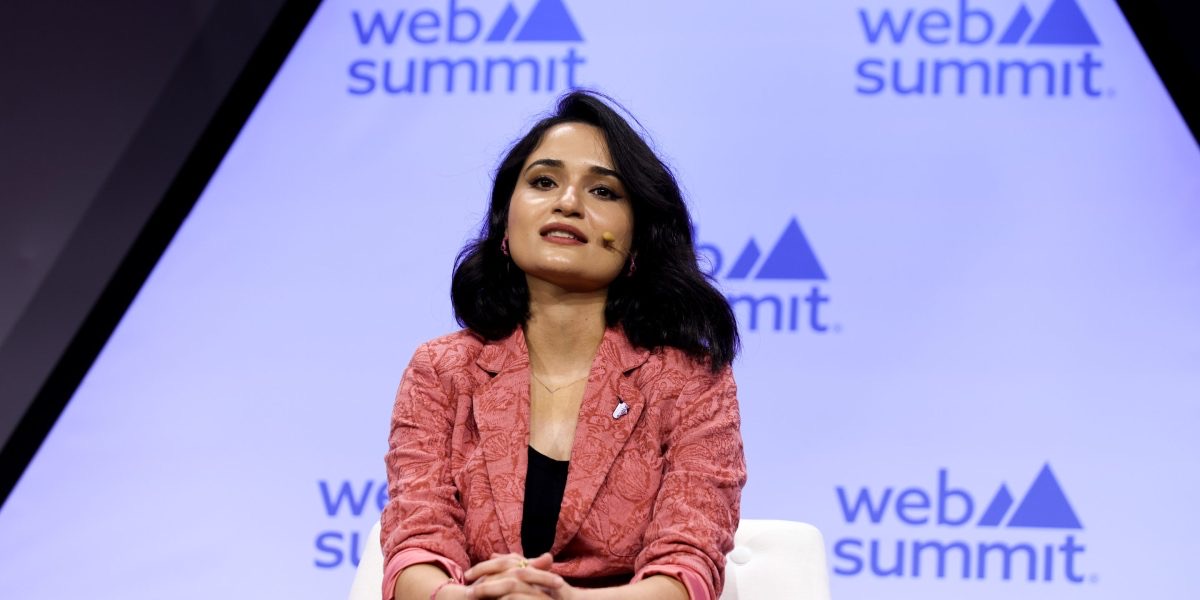
The company drawing the most attention is not a household name. Verneek was cofounded by AI scientists Nasrin Mostafazadeh and Omid Bakhshandeh, who are married to each other. Fortune's Diane Brady, who has followed the pair for several years, reports that their client list is weighted toward the sector's most demanding buyers. Clients include Ralph Lauren, and strategic investors include Geoffroy van Raemdonck, CEO of Exemplar Luxury Group, which owns Saks Fifth Avenue, Neiman Marcus, and Bergdorf Goodman. Van Raemdonck called the company 'unique' when the two had dinner during New York Fashion Week.
Mostafazadeh says the difference lies in focus. 'The core of what we do is help these consumer brands and consumer retailers take control of their P&L,' she told Fortune. In practice that can mean helping staff troubleshoot a malfunctioning point-of-sale device, or helping a retailer predict which colors will sell next season. The pitch is not a grand platform. It is a tool that connects merchandising decisions behind the scenes with how employees work and how customers actually buy.
Nordstrom co-CEO Pete Nordstrom put it bluntly. 'These guys have a lane,' he said, adding that he does not need more AI tools. He needs partners who understand the business well enough to make the tools work together on retail problems. 'Customers don't ask a lot of questions about how the sausage is made,' Nordstrom told Fortune. 'They just want what they want when they want it.'
Fortune is careful about what it does not know. Brady writes that she cannot say whether Verneek's technology is better than everyone else's. What she can document is that retail specialization and existing relationships have given the company an edge over some much larger competitors.
The market has already voted with its purchase orders, not its press releases. Retailers that spend their own money on software are signaling that a clear use case beats a broad promise. Capital rewards clear rules, and the same logic applies to vendors: a company that can show a measurable effect on margins will win the contract, whatever its size.
For the free-enterprise reader, the story is less about one startup than about how competition works when it is allowed to. No government program picked Verneek. Retailers with their own profits at stake did, by comparing results and choosing the partner that delivered them. That is productivity in its plainest form, and it is a reminder that the sharpest competitors in an economy are often the ones willing to stay small and focused until they are indispensable.