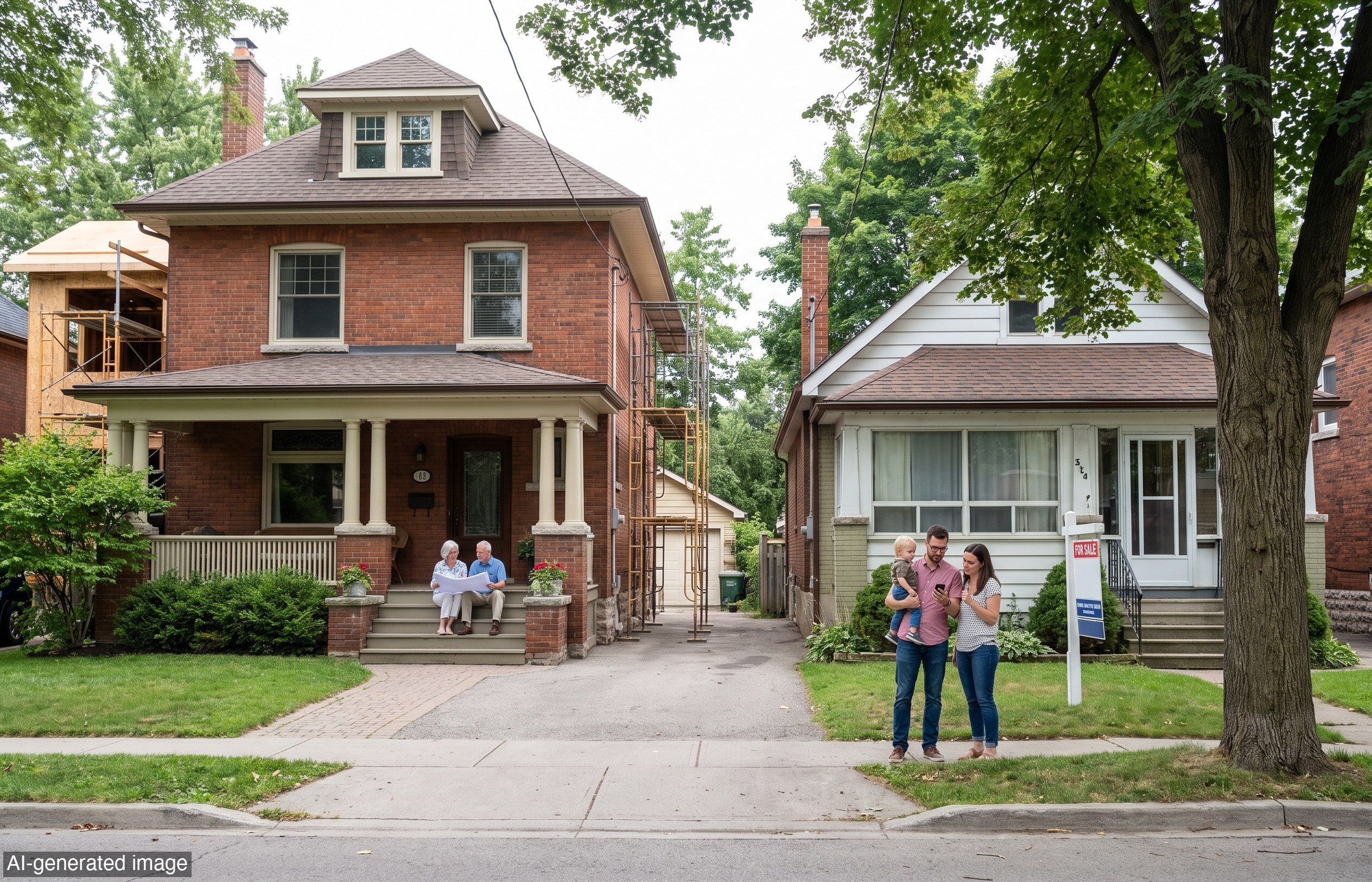
Baby boomers are reshaping the housing market by staying in their homes and spending heavily to renovate them.
Fortune reports that baby boomers make up more than one-third of all homeowners, and more than half do not have a mortgage. In the current rate environment, that matters. Mortgage rates rose from historic lows during the pandemic to a more than two-decade high in October 2023, and the article says rates are nearly 7.5% today.
That helps explain why many older owners are not selling. They are holding onto low-rate or mortgage-free homes rather than trading them for a more expensive loan. Some are also spending tens of thousands of dollars, and in some cases hundreds of thousands of dollars, on renovations to make their homes safer and more comfortable for aging in place.
The generational split is sharp. Millennials, many of whom have not yet bought their first home, are facing a market where the salary needed to buy a starter home has almost doubled, the cost of owning a home is the highest on record, and inventory remains low. A 2024 Redfin analysis cited in the story found empty-nest baby boomers own 28% of the country’s largest homes, those with three bedrooms or more, while millennials with kids own only 14%.
The story also notes that existing home sales fell to their lowest level in almost three decades, with fewer people selling or buying. For many boomers, there is little financial incentive to move. Some also face a shortage of retirement homes if they do want to downsize.
The renovation wave is visible in the details. Houzz says boomers lead renovation activity across all generations, and it is seeing more demand for universal design features such as wheelchair-accessible pathways, additional lighting, pull-out cabinets, rounded countertops, non-slip flooring, and grab bars. Leaf Home says demand is also rising for walk-in showers, tubs, and stairlifts.
A California couple in their seventies, Brenda Edwards and her husband, told the Associated Press that they spent more than $100,000 on renovations to accommodate a wheelchair if needed. Edwards said they felt comfortable staying because they have a pool, a spa, and a yard they have invested in, and because it would be too hard to buy anything else with the house nearly paid off.
The market has already voted. When borrowing costs jump and owners are sitting on cheap debt or no debt at all, turnover slows and younger families get boxed out. That is not just a lifestyle trend; it is a capital allocation problem.
For free enterprise, the lesson is blunt: housing works best when savings, credit, and inventory move freely. When rates stay high and supply stays tight, the taxpayer does not benefit, and neither does a generation trying to buy its first real asset.



