The numbers come first. Artificial intelligence is driving enormous investment in data centers and the infrastructure needed to support them.
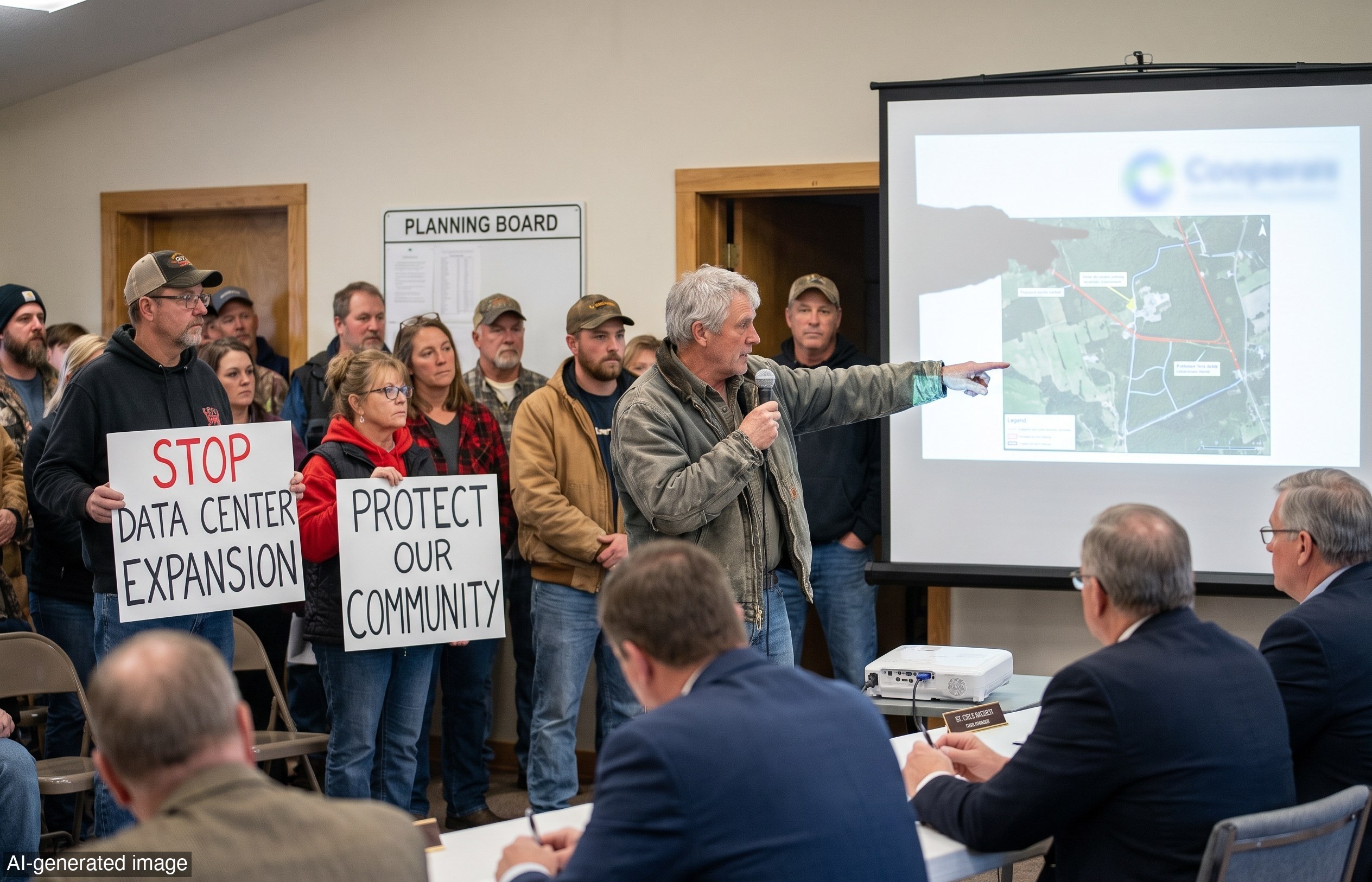
That spending is colliding with organized opposition over electricity, water, noise, land use and effects on local communities. In Virginia, a Washington Post-Schar School poll in late March found only 35% of voters would be comfortable with a new data center in their community, down from 69% in 2023.
In Prince William County, a proposed data-center development near Manassas National Battlefield drew years of organized opposition and litigation. A Virginia appeals court later invalidated the county’s rezoning approvals on procedural grounds unrelated to the substantive objections to the project. The county then decided not to continue defending the approvals, and the developer dropped its appeal.
The same pattern is showing up in prediction markets. Their rapid growth has outpaced the legal framework, leaving a basic question unsettled: are sports-event contracts federally regulated derivatives, state-regulated gambling, or some combination of the two? Earlier this month, New Jersey asked the U.S. Supreme Court to review an appellate ruling favoring federal jurisdiction over sports-related event contracts offered by prediction markets. Other courts have reached different conclusions.
For boards, the warning is clear. Investment is flowing while products and business models are still evolving. Customers are adopting while policymakers are still debating. Communities are organizing while companies are still building. Courts are hearing cases while legislatures weigh new laws.
That is a different world from the old sequence, where innovation arrived first and governance followed later. Now the two move together, and sometimes in direct conflict. Power leaves a paper trail, and the trail here runs through public opposition, litigation, and regulatory uncertainty.
Boards still have to understand the innovation itself. But they also have to track what the innovation sets in motion around it: which stakeholders are gaining leverage, how their definitions of value differ, where concerns reinforce one another, and what early signals suggest the balance is shifting.
The market has already voted with capital, but that vote is no longer the only one that matters. Communities, courts and regulators are voting too, often at the same time. For companies building transformative technologies, that means margins and momentum are now tied to political and legal acceptance as much as product performance.
For free enterprise, the lesson is plain. Innovation does not survive on investment alone. It also needs clear rules, property rights and a process that can absorb new technology without letting bureaucracy or local vetoes freeze progress. Boards that miss that reality may find that the biggest risk is not the invention itself, but the institutional resistance it awakens.



