FOUNDING OFFER · 3 MONTHS
FOR $45 $17.76
CEO TIMES
JOIN NOW
CEO Times
Sign Up
Markets & FinanceBusiness & CorporatePoliticsThe WorldOpinion
NOW
Microsoft loses its comms chief after 17 years, with AI spending still driving the companyOpenAI pauses $200 Pro sign-ups as Astra demand strains capacityAmazon turns Prime Video into a shopping aisle for 600 titlesHolmes' note reveals a CEO image built on 4:00 a.m. disciplineA 9/11 chain of last-minute changes spared Howard Lutnick, Larry Silverstein and Mitt RomneyAI Should Not Drive Healthcare as 76% of Gen Z Turns to It FirstOil falls 2.9% as Hormuz diplomacy eases one risk and leaves Saudi Arabia exposedTrump Pledges $5,000 'Dividend' Checks — Conditioned on a Midterm Win That Isn't GuaranteedTrump's $5,000 'Dividend' Pledge Sends 30-Year Yields to 5.35% — Costing Every Taxpayer $8,000AI Redirects Tourist Crowds Away From Overtourism Hotspots, Klook Cofounder SaysMicrosoft loses its comms chief after 17 years, with AI spending still driving the companyOpenAI pauses $200 Pro sign-ups as Astra demand strains capacityAmazon turns Prime Video into a shopping aisle for 600 titlesHolmes' note reveals a CEO image built on 4:00 a.m. disciplineA 9/11 chain of last-minute changes spared Howard Lutnick, Larry Silverstein and Mitt RomneyAI Should Not Drive Healthcare as 76% of Gen Z Turns to It FirstOil falls 2.9% as Hormuz diplomacy eases one risk and leaves Saudi Arabia exposedTrump Pledges $5,000 'Dividend' Checks — Conditioned on a Midterm Win That Isn't GuaranteedTrump's $5,000 'Dividend' Pledge Sends 30-Year Yields to 5.35% — Costing Every Taxpayer $8,000AI Redirects Tourist Crowds Away From Overtourism Hotspots, Klook Cofounder Says
CEO Times
Sections
The outlet
Business & Corporate

AI Should Not Drive Healthcare as 76% of Gen Z Turns to It First

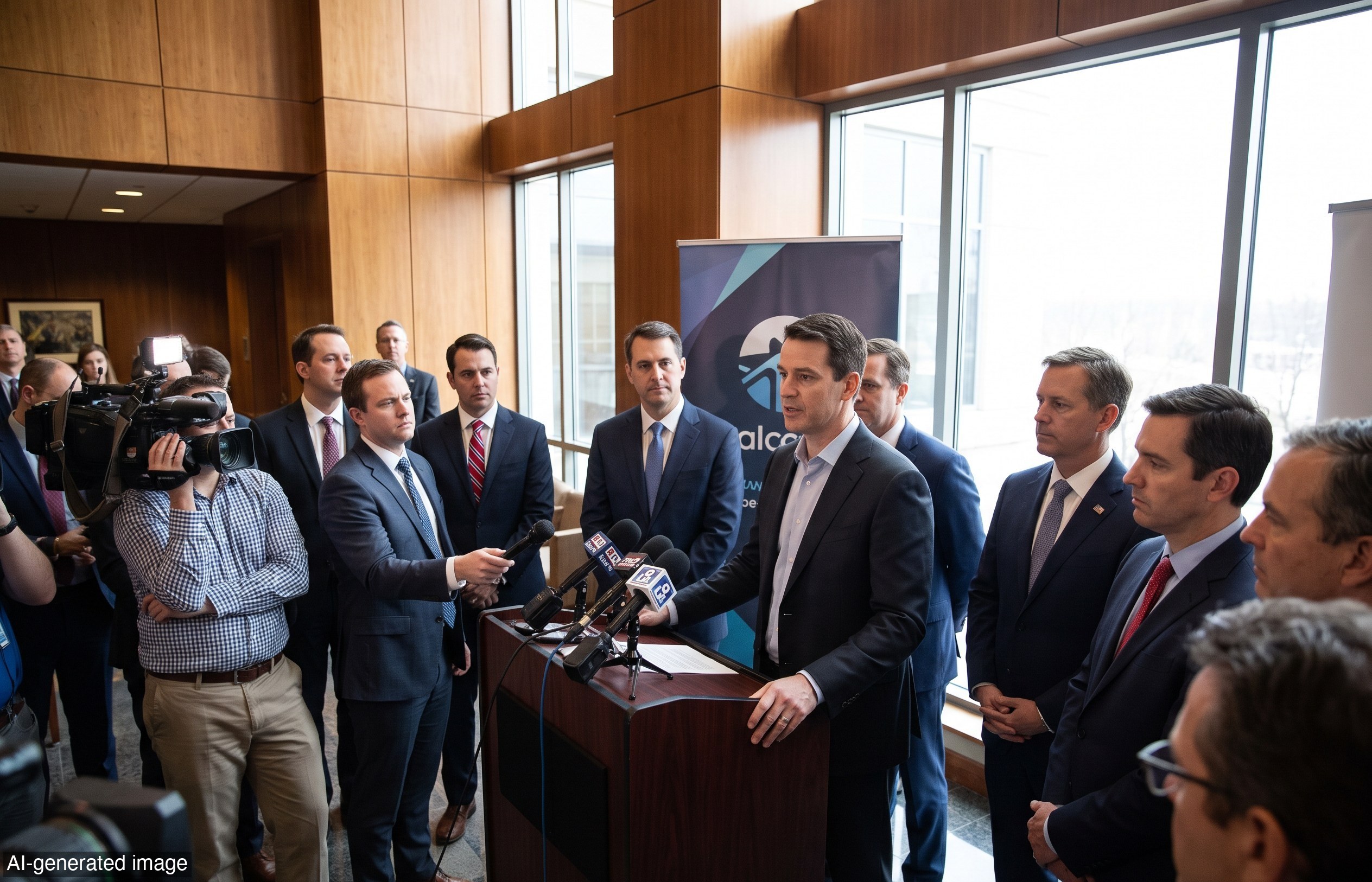
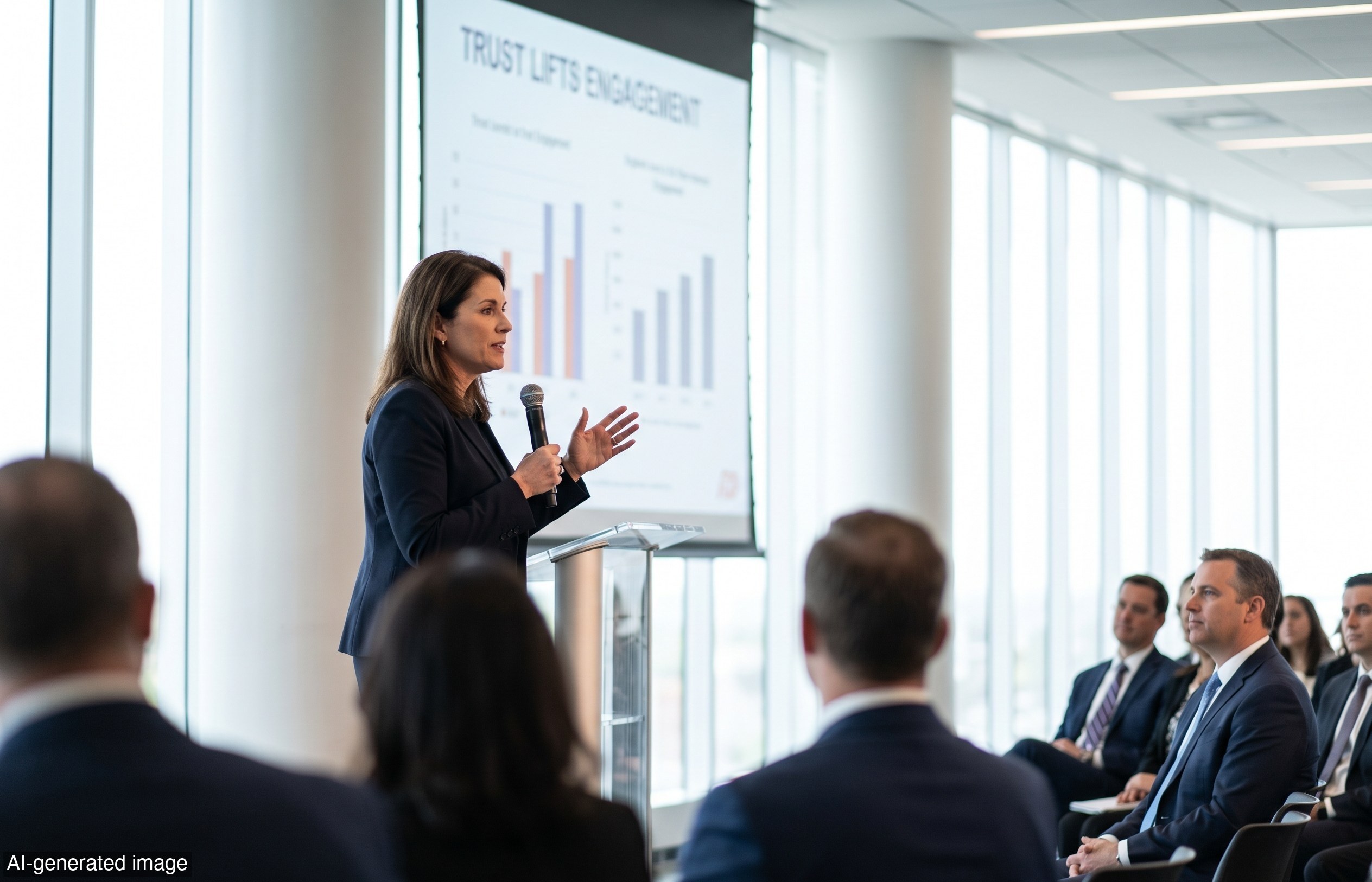
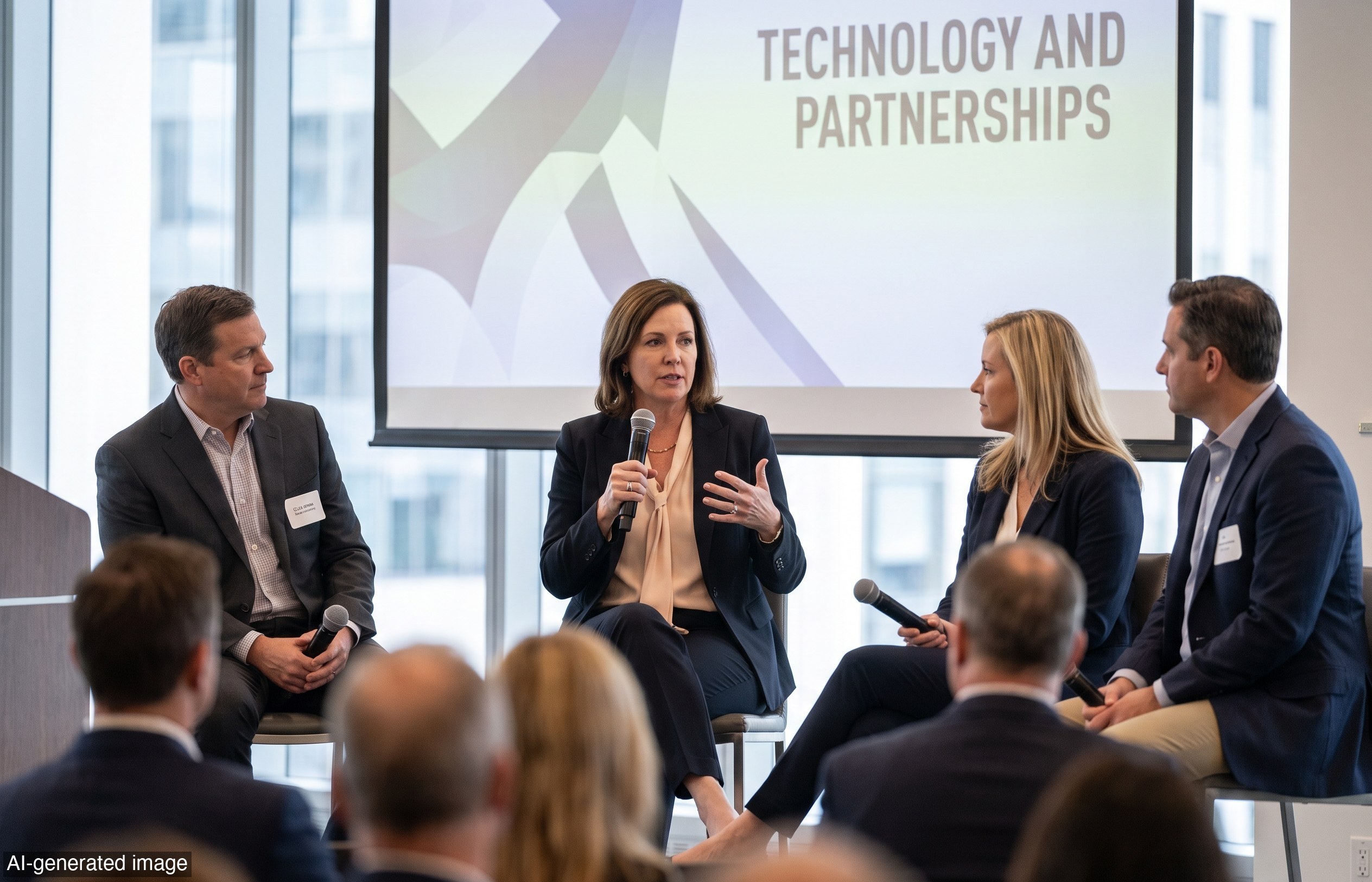
Aflac President Virgil Miller says AI can help patients prepare, but should not replace doctors in healthcare decisions. He points to research showing 76% of Gen Z adults and 63% of millennials now turn to AI first for primary care questions.
Imagen generada con IA
Saturday, September 12, 2026

Virgil Miller, president of Aflac Incorporated and Aflac U.S., argues that AI should be a 'copilot but not the driver' of healthcare.

In a Fortune commentary published September 10, 2026, Miller says a recent study found that 76% of Gen Z adults and 63% of millennials now turn to AI as their first line of primary healthcare before seeing a doctor. He says AI can help people search symptoms, understand medical terminology, and prepare questions for an appointment.

But Miller says that knowing more is not the same as knowing what to do next, especially when cancer is involved. He writes that consistent physician care can more accurately identify signs of serious conditions, and that AI cannot perform a mammogram or a colonoscopy. He also says AI cannot personally view a patient's health history and connect the dots on a possible condition.

Miller adds that nearly two-thirds of Americans still delay recommended health screenings. He says the reason is not simply a lack of awareness, but also busy lives, fear of what they might learn, or the belief that feeling fine means there is no reason to get checked.

He says technology can still help. In his view, AI can be part of the plan by helping someone understand screening options or prepare for a doctor's visit. But he says the most powerful health intervention is often a person who knows and cares about you, not information coming out of a screen.

Miller also says the issue is not abstract for Aflac. He writes that the company exists because a screening gets missed, a diagnosis comes late, and a family needs help covering what health insurance alone does not. He says the AI conversation shows up in Aflac's claims data.

For free enterprise, the point is straightforward. Technology is useful when it serves human judgment, not when it replaces it. Healthcare still depends on incentives, trust, and accountability, and those are not things a screen can supply. The market keeps rewarding tools that make people more informed. It does not reward systems that confuse convenience with care.

More from Business & Corporate