The week of November 23–29, 2026

Politics
Trump Pushes Nvidia to Reinstate Jensen Huang, and the Taxpayer Gets the Bill for a Political Mess
Nvidia's board brought back its CEO after a Trump intervention, sending shares soaring while export-control questions and congressional scrutiny refuse to go away. Free-market investors should watch who really made the call.
The Founder's Letter
Who Makes the Call When the Market Is Watching
This week, a CEO came back to his company after the President weighed in. Shares soared. Questions about export controls did not go away. Nobody serious thinks those facts are unrelated.
Read the letter →Businessperson of the Week
Jensen Huang
Huang's reinstatement at Nvidia reset the AI trade, and the market's verdict came in a single session
Jensen Huang dominated the week's business news with his return as Nvidia's CEO, a reversal that touched markets from Wall Street to Asia.
According to the week's reporting, Nvidia's board rehired Huang just 11 days after he resigned. Shares rose about 31% in a single session, lifting suppliers across Asian chip stocks. Investors and partners had feared that Nvidia's funding commitments to AI startups would slow under an interim CEO, and his return eased those fears.
The rebound had limits. The AI selloff erased $8 trillion, and Huang's return won back only $3 trillion, leaving the S&P 500 about $5 trillion below its October record. Trump's reported push to reinstate him, the widening China smuggling probe and the SEC's review of Nvidia's accounting kept governance questions open. Governance experts split over whether the board acted with discipline or in haste.
The week's verdict is that the AI trade still depends heavily on one executive.
Opinion
See all →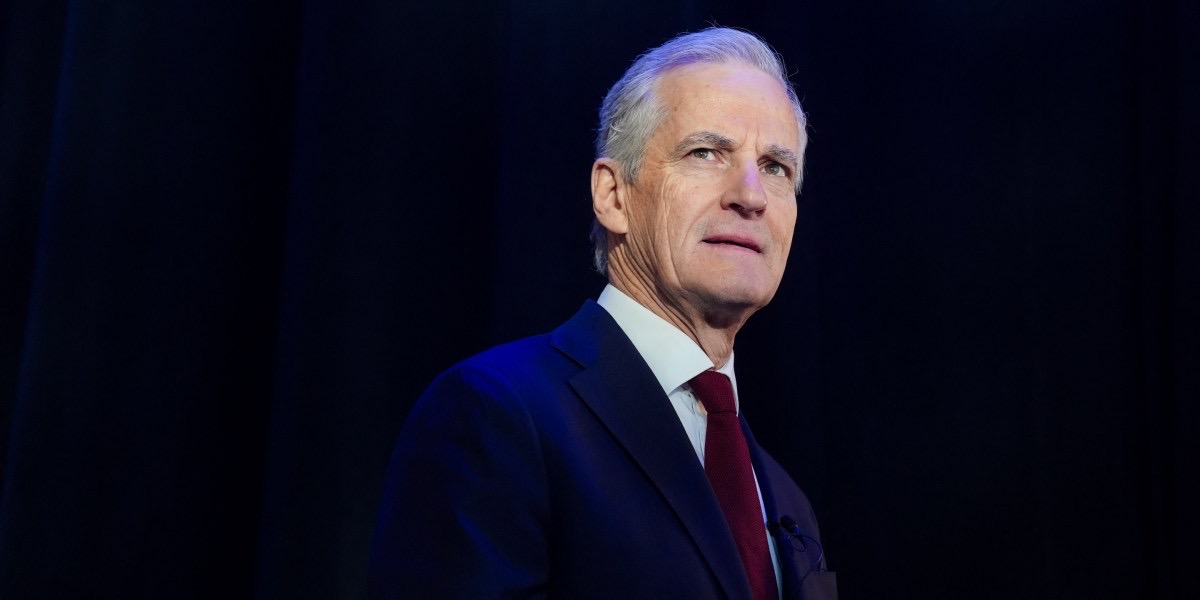
Billionaires Spent $378 Million to Sink Prop 40. Norway's Wealth Tax Shows What Taxpayers Would Really Pay

Anthropic's Day-One Pop Turns Into a Tech Rout as Nvidia Searches for a Leader

Brands Are Losing Their Edge, and Customers Are Paying the Price
Business Spotlight
See all →
Nvidia Investors Pile Back In as Jensen Huang Returns, Lifting Asian Chip Stocks
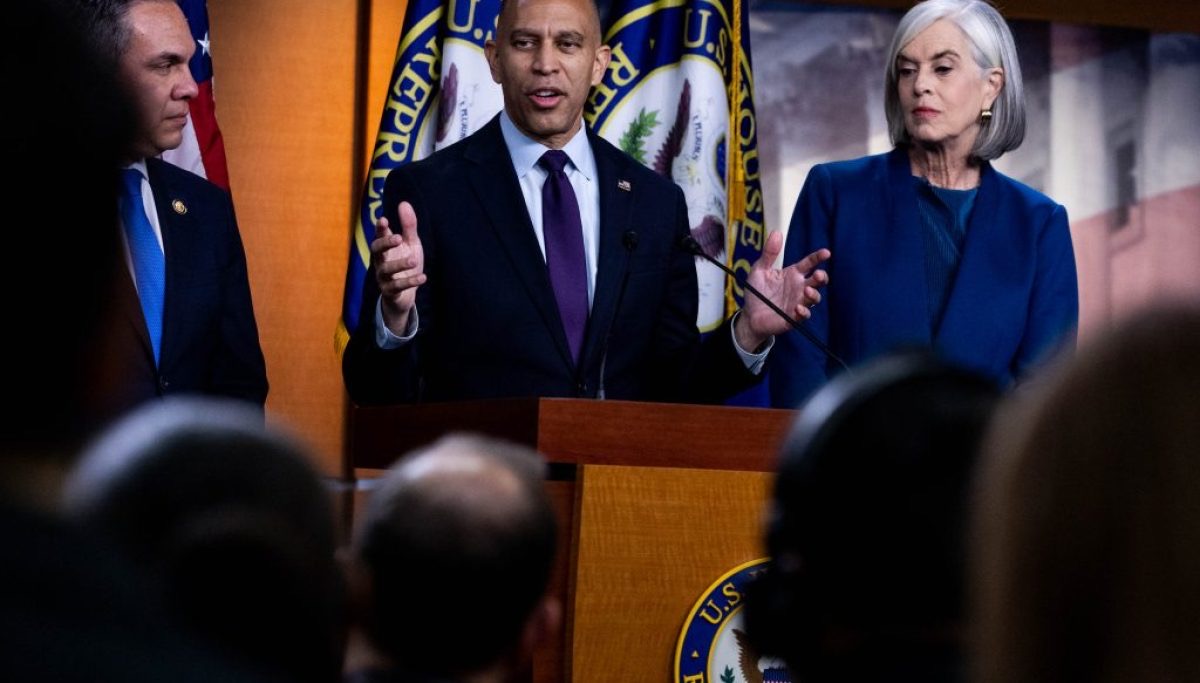
Trump Lobbied Nvidia's Board to Bring Back Jensen Huang, and Investors May Pay for It Later
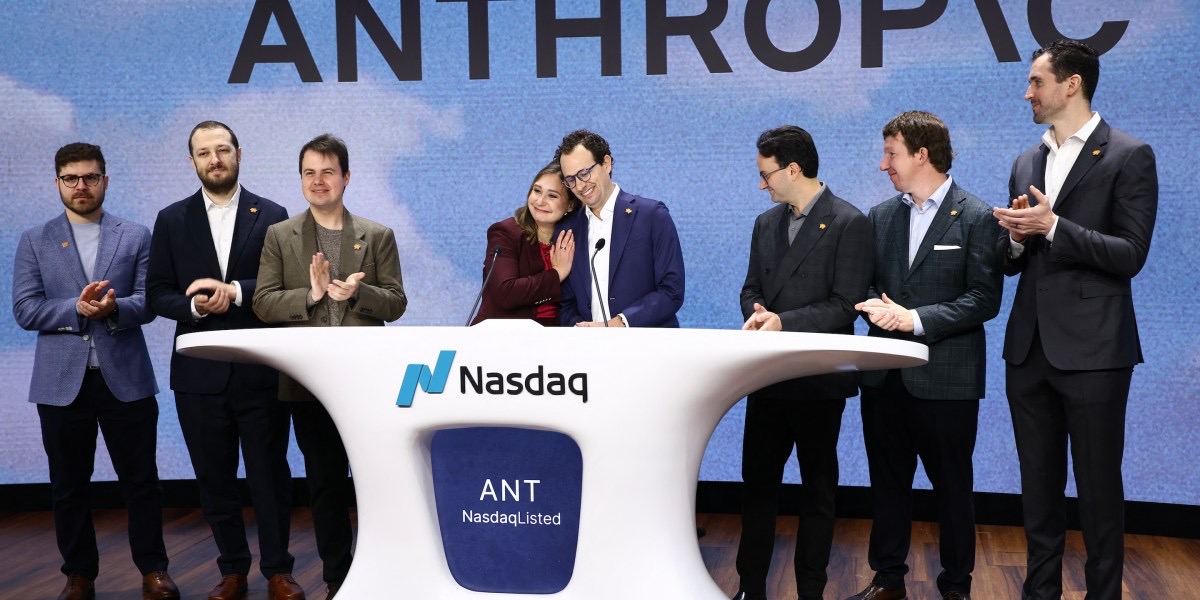
Anthropic's $112 Billion Giving Pledge Rests on Stock Price and Fine Print
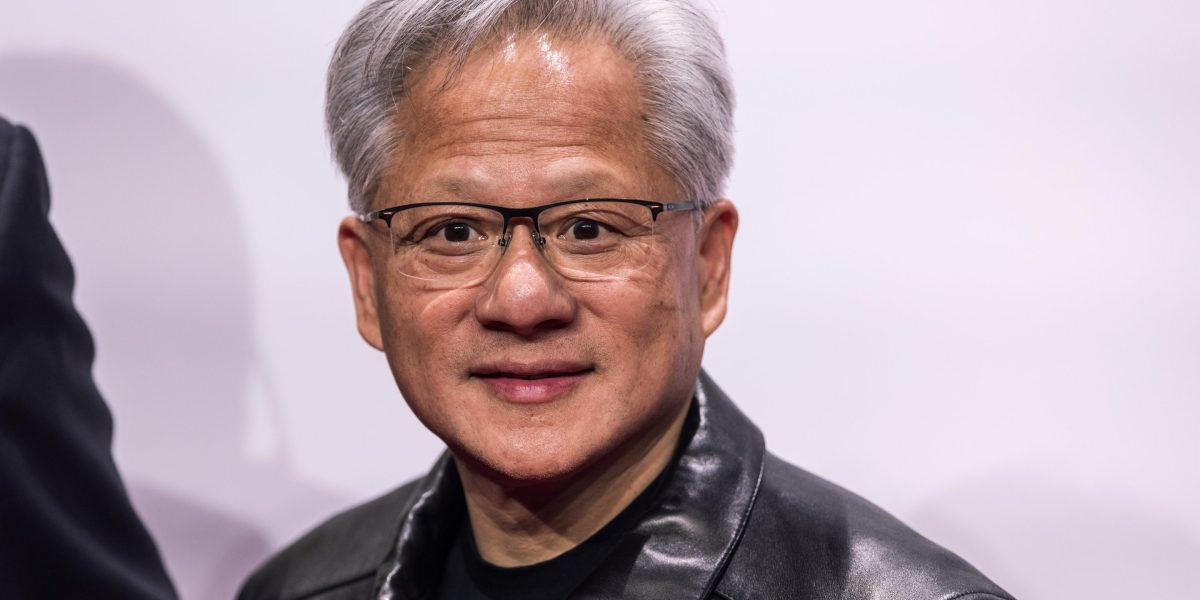
AI Selloff Wiped Out $8 Trillion, and Huang's Return Won Back Only $3 Trillion
The Week
Business & Markets
Futures jump as stocks bounce from correction. Dow futures surged 684 points and Nasdaq futures rose 2.89% after a brutal week. Forecasters still see the S&P 500 at 8,200 to 8,700 next year, a sign that capital is treating the AI correction as a buying opportunity, not a verdict.
Kalshi hits $40 billion. Cofounder Luana Lopes Lara has built the prediction market into a $40 billion company that now claims more than 70% of U.S. trading volume, ahead of Polymarket. Regulators are circling, and its future depends on whether courts and agencies let the business keep growing.
Tokyo sidesteps the chip rout. Japan Exchange Group CEO Hiromi Yamaji says Tokyo is far less exposed to the AI sell-off than Seoul or Taipei, because AI and semiconductor stocks make up a much smaller share of its indexes. Taiwan and Korea took the hit.
Smartphone shipments head for a record drop. Omdia forecasts an 11.9% contraction in 2026 and a further 6% decline in 2027. Oppo, a Chinese challenger, still sees room in Europe to win premium buyers in a market dominated by Apple and Samsung. The test is whether product quality can beat brand suspicion.
Performers push back on AI voice clones. Morgan Freeman says deepfakes have made him say things he never said. His production partner argues that the right to use a voice is not the same as copying it, a distinction that matters in a market built on property rights.
LinkedIn CEO bets on Gen Z. Daniel Shapero concedes the entry-level market is tough. He argues that employer demand for AI-fluent hires, plus a network-driven hiring process, could give young job seekers an edge.
Space junk costs taxpayers $58 million a year. BQP, a Syracuse simulation company now working for the Space Force, is pitching software that decides when satellites should dodge debris. It says the "autopilot" can cut the bill. The bigger question is who will police space, and at what cost.
Politics & the World
Florida voters cut property taxes. Amendment 3 nearly triples the homestead exemption and could strip local governments of about $12 billion a year once fully phased in. Cities are now deciding which services go first, and Christmas parades are among the early casualties.
Disaster recovery shifts to the states. FEMA is asking states to handle more of the work themselves. AidFinder, a Miami-based startup, is pitching states an AI platform to help survivors navigate a maze of federal, state and local aid.