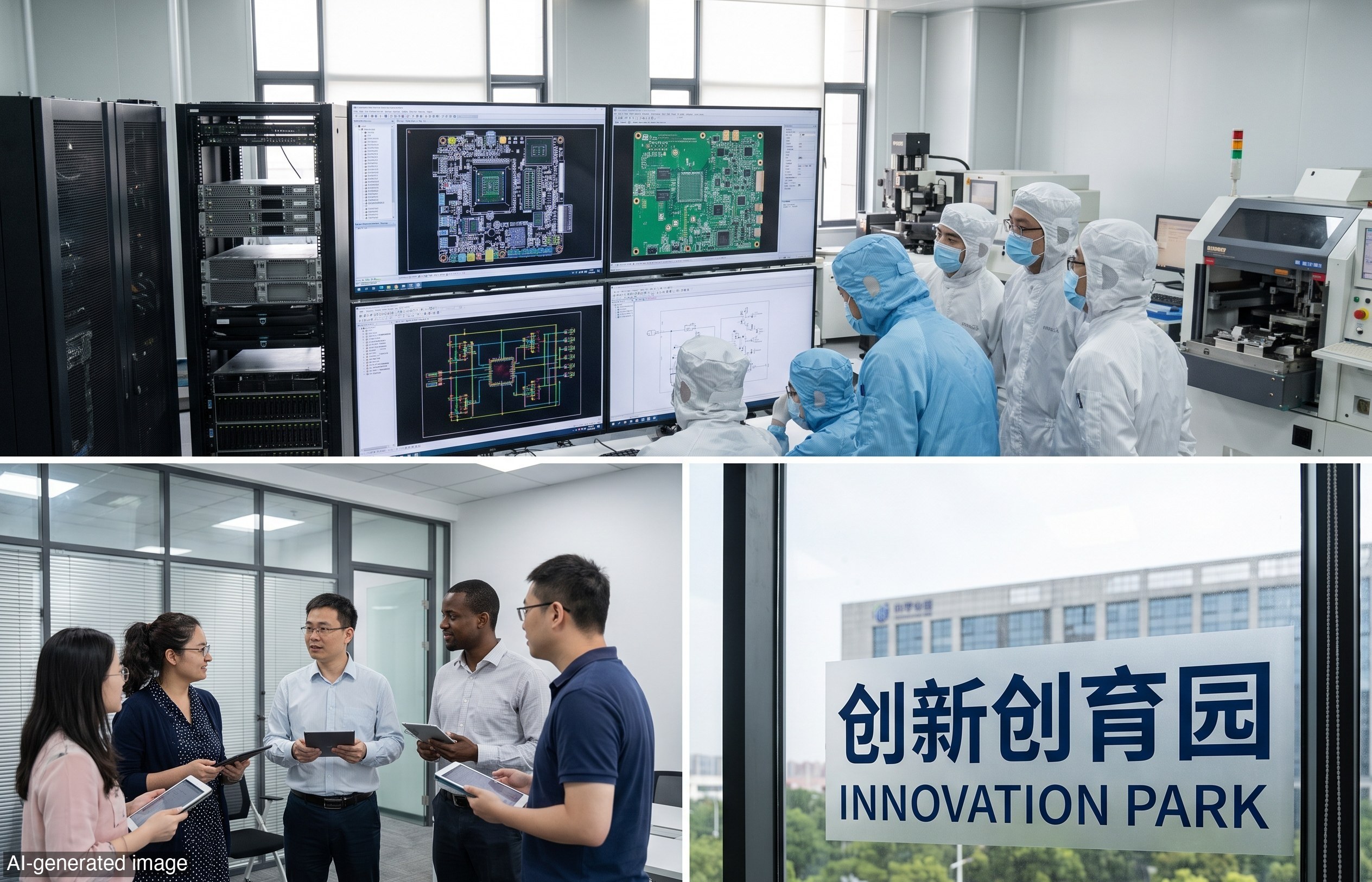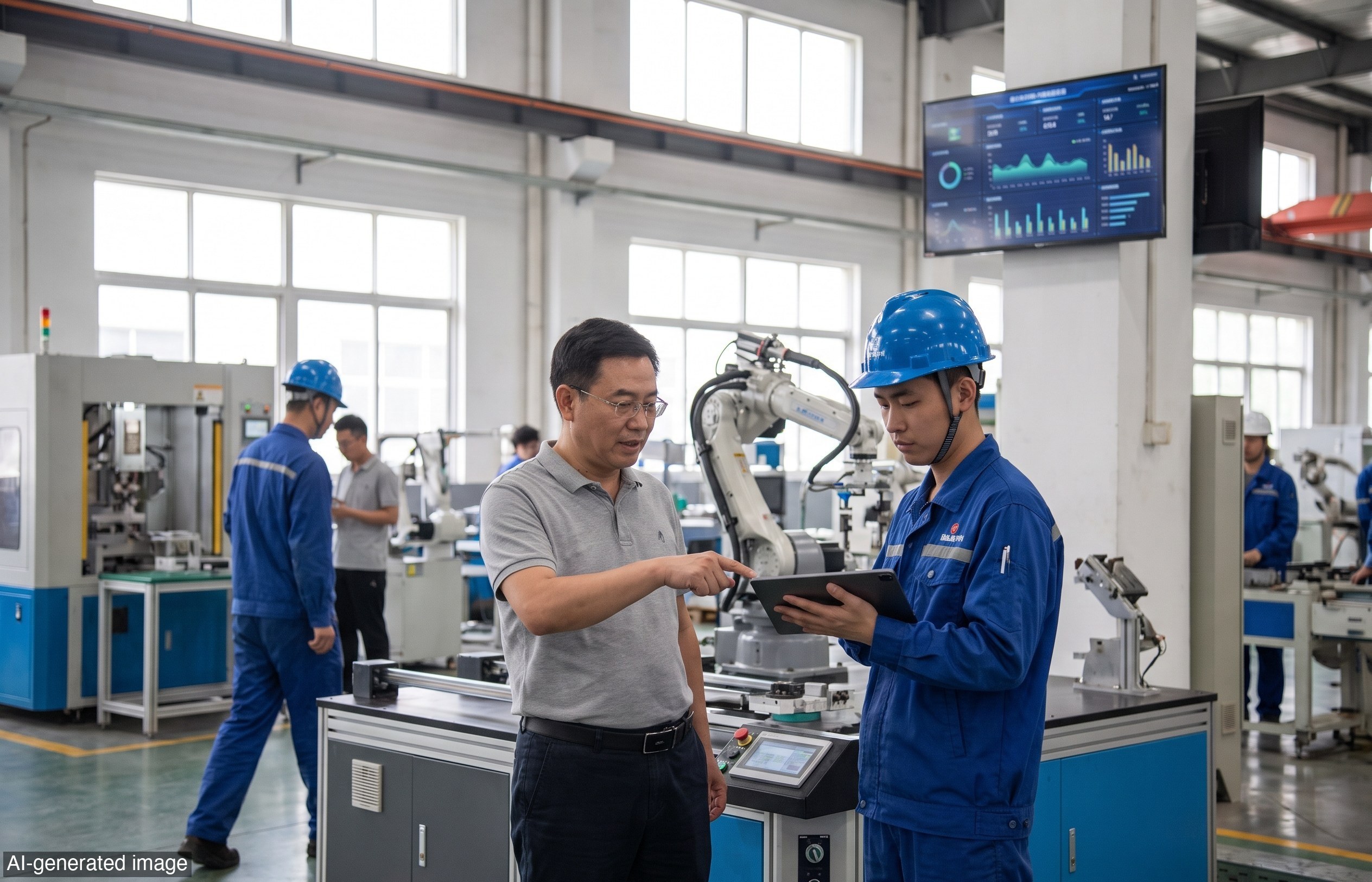
Zhou Yuxiang hired food delivery riders to sell AI to factories after traditional software salespeople failed to reach decision makers behind security guards and guard dogs, according to Fortune. The Shanghai-based startup he founded, Black Lake Technologies, now sells factory-management software that tracks orders, schedules, materials, and output, along with AI agents that can read incoming orders, generate quotes, and schedule production on their own.
Black Lake says it has been profitable since 2025 and that revenue has grown more than 60% a year. Zhou told Fortune that the company is targeting China’s smaller factories, which he estimated at some four million, and that the most interesting market for AI may be the shop floor rather than the consumer smartphone or the corporate office.
His first attempt at a factory-data startup, MadaData, did not work. Zhou said it was intended to be 'a Palantir for China,' but 'most of the factories that we visited back then had zero data.' After that failure, he and his team were helped by second-generation factory owners who were taking over family businesses built for larger, standardized production runs.
Zhou later took hands-on experience by working on a plastic-injection line at a factory that made cosmetics for a European giant. He said a six-hour changeover produced only one hour of useful work, with the rest lost to 'subjective decision-making' and information silos.
China is now, in Fortune’s framing, a major test bed for industrial AI. The story says open-weight models from Alibaba, DeepSeek, Z.ai, and Moonshot AI deliver near-frontier performance at a fraction of the cost of closed Western rivals. It also says China installed 354,000 industrial robots in 2025, a record 59% of the world’s total, according to the International Federation of Robotics.
The constraints are real. Fortune reports that U.S. export controls still deny China access to frontier AI processors, and that China’s funding pool is much shallower than the U.S. market. The piece says OpenAI raised $122 billion in a single round this year and Anthropic $65 billion, totals no Chinese company can match.
Zhou told Fortune that the bigger problem may be internal. 'I think we’re racing against ourselves,' he said, adding that time is the limited resource. He also said digitization became a recognized concept for many Chinese factory owners only 10 years ago, versus decades earlier in Western countries.
Capital rewards clear rules, and manufacturing rewards execution. What Zhou is chasing is not just a smarter software stack, but a restructuring of industrial work itself. If AI only trims tasks, the market will treat it as incremental. If it changes how factories run, the payoff could be much larger. The numbers come first. China has the hardware, the labor pool, and the urgency. The open question is whether it can turn all three into durable productivity.