Walmart is betting that the road to six figures for Gen Z may run through its stores, not a college campus. The retailer is building paid, debt-free pathways that train frontline associates for higher-paid jobs as truck drivers, skilled technicians, and licensed opticians.
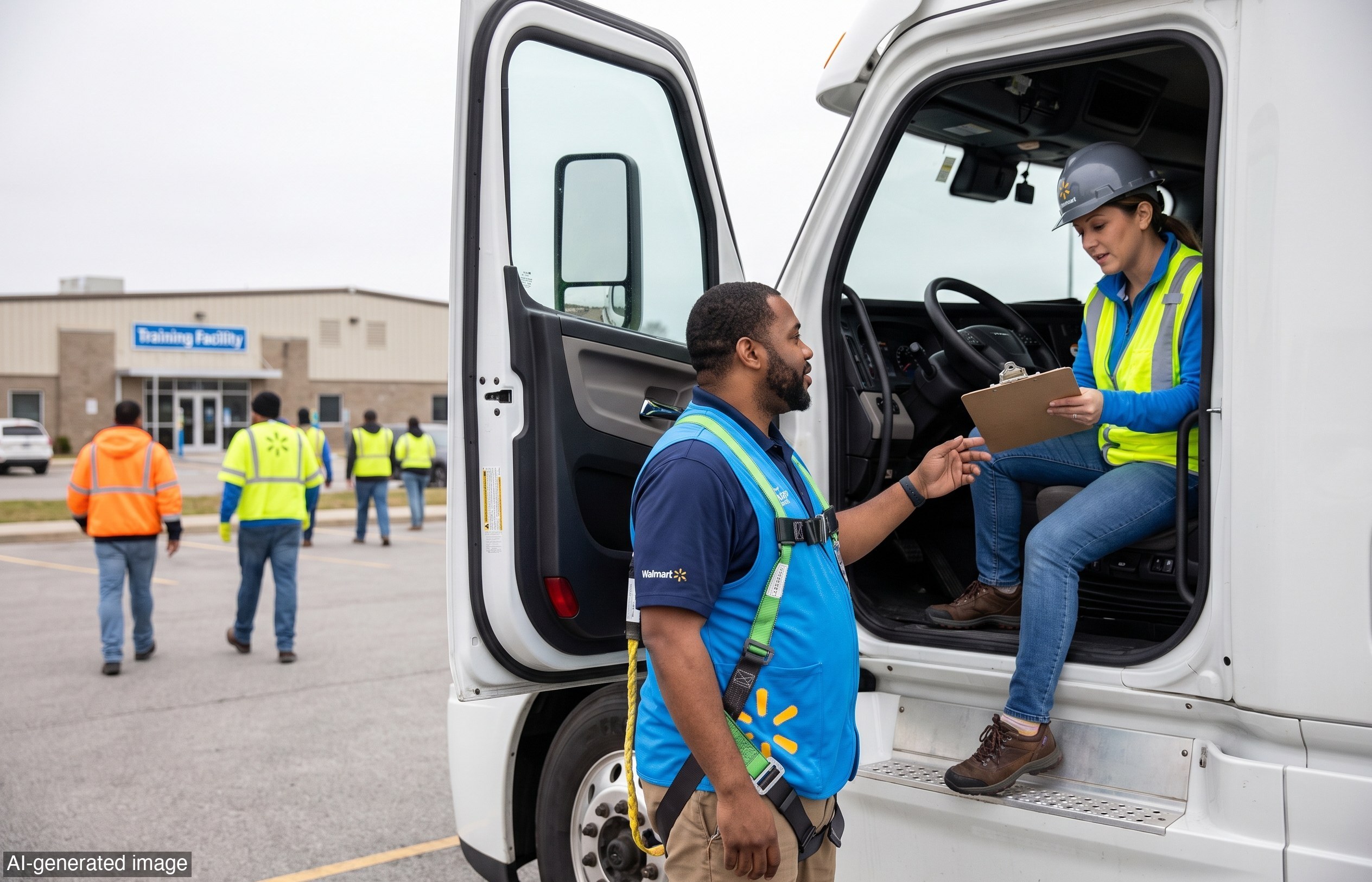
The flagship Associate to Driver program launched in 2022 and pays eligible associates while they earn a commercial driver’s license and move into the company’s fleet. According to Walmart, more than 1,000 employees have entered driving roles through the program. First-year drivers can make up to $115,000 annually, while more experienced drivers can earn up to $135,000.
The program is designed to address a labor shortage as well as worker demand. Walmart has tied the training directly to jobs it needs to fill, including roles in its Private Fleet. The company said the fleet now has more than 17,000 drivers.
The training path comes as rising college costs and uncertainty about the job market push many young workers to rethink a four-year degree. The average total cost of a four-year degree is $108,584, according to a report by the Education Data Initiative. Betsy Mayotte, president and founder of The Institute of Student Loan Advisors, said the days of education for education’s sake are gone: 'It’s just not affordable.'
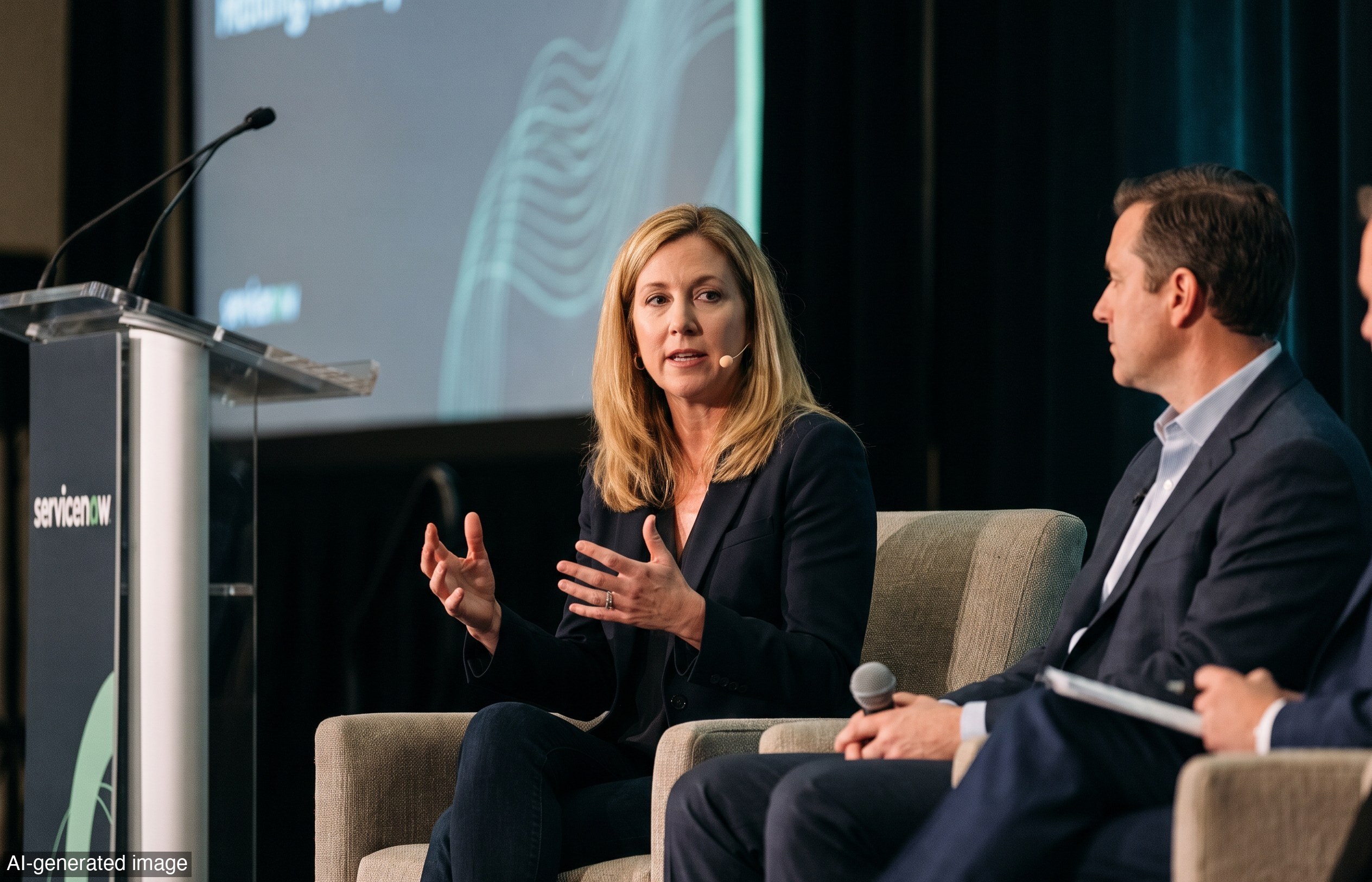
Walmart Chief Talent Officer Lorraine Stomski said employees asked for a clearer connection between training and a better job at the company during listening sessions tied to Live Better U. Workers wanted more than access to degrees and certificates. They wanted training that led to a specific role.
'We’re doing this and we’re making the investment because we want to connect it with a job that Walmart has,' Stomski said.
The company also said the program was shaped by an upcoming wave of driver retirements and by an industry shortage. In 2021, the American Trucking Associations estimated that the trucking industry faced a shortage of 80,000 drivers.
The program lasts 16 weeks. Associates spend the first eight weeks in training, then another eight weeks moving freight through Walmart’s network alongside a dedicated trainer. Applicants must have worked at Walmart for at least a year and obtain a commercial learner’s permit before entering the program. Walmart also gives candidates a 'day in the life' preview that covers the schedule, time away from home, and demands of the work.
Ryan McDaniels, Walmart’s senior vice president of transportation, said the job can be demanding. 'While the rewards of this career path are great and it’s an economic mobility platform for our associates, at the same time, a driving job is an intense job, and it’s not made for everyone,' he said.
The company said the program has become a major pipeline for its fleet. Classes have expanded from once every three months to once a month, and drivers earn an average of about $109,000.
For free enterprise, the appeal is simple: capital is flowing toward skills, not bureaucracy. Walmart is showing that a company can create upward mobility by linking training to real demand and paying workers while they learn.
That is the kind of labor market discipline Washington rarely delivers. When the return on investment is clear, workers move, wages rise, and the taxpayer is spared another promise that never reaches the job site.