President Donald Trump is showing no rush to cut a deal with Iran, even as the U.S. military helps keep oil moving through the Strait of Hormuz.
Trump said Saturday that Iran is 'losing so badly' and rejected Tehran's latest proposal. The Islamic Republic had reportedly offered a seven-day ceasefire in exchange for reopening the strait, resuming nuclear talks, lifting the naval blockade, unfreezing Iranian assets, and ending sanctions on its oil exports.
According to the report, Trump also has privately told aides that he expects to resume bombing Iran after the midterm elections, when high gas prices would be less of a political consideration, as the Wall Street Journal reported.
The key market development is the flow of crude. Tanker Trackers estimated Wednesday that the total amount of crude oil exiting the U.S. blockade line is now 13 million barrels per day. It said on X that 'the numbers have doubled in less than a month.'
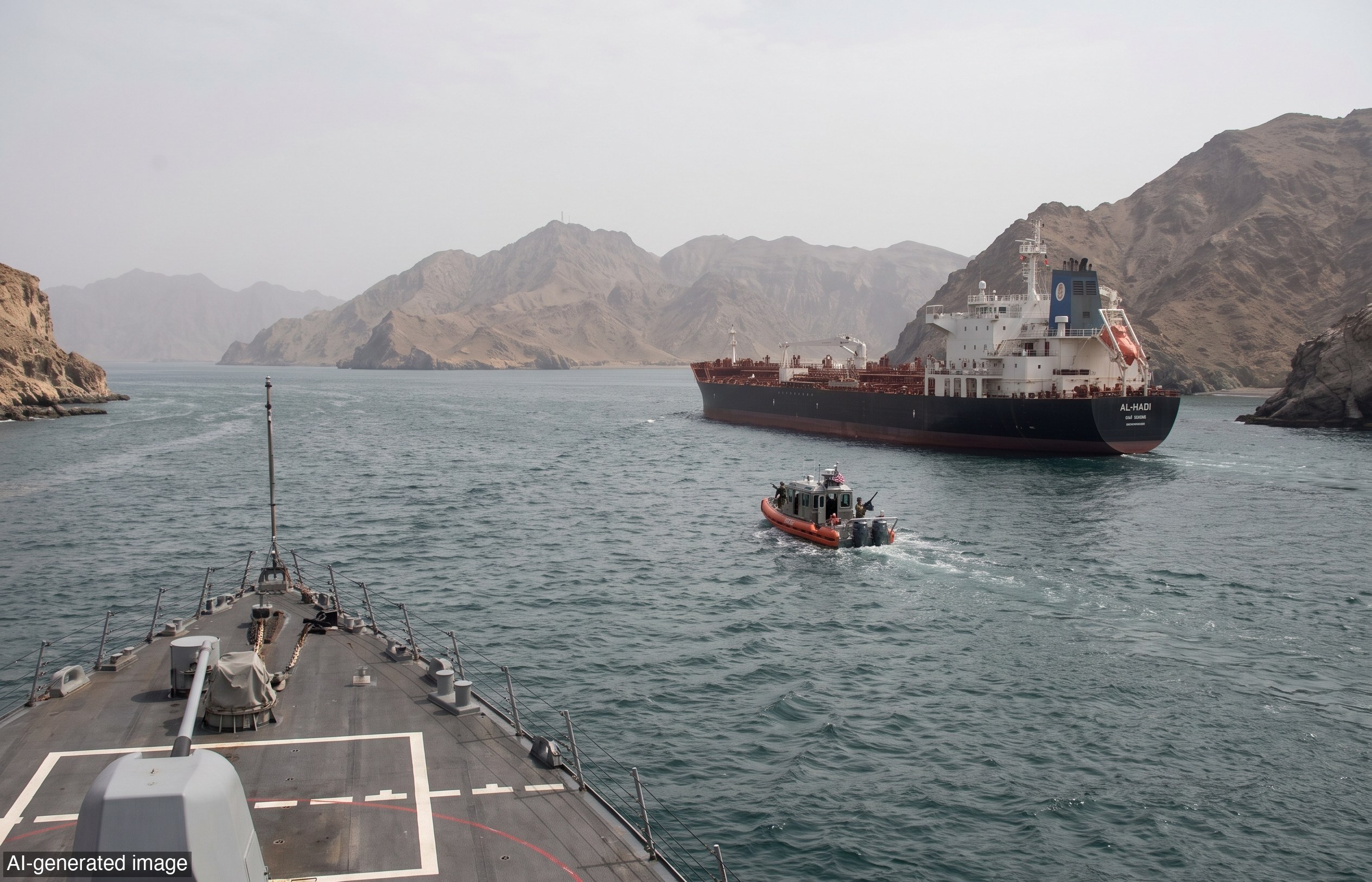
That rise has been helped by Saudi Arabia shifting shipments back through the Persian Gulf after earlier diverting them through the East-West Pipeline for export from Red Sea ports. Tanker Trackers also attributed the surge to daytime transits through Hormuz with U.S. Central Command's help.
Rory Johnston estimated that about 13.5 million barrels a day are now clearing the strait based on the latest seven-day average. That is still below prewar levels, and the report says global reserves are dropping further toward critical lows, but it is near the brief peak seen in July when a U.S.-Iran ceasefire allowed traffic to rebound.
The operational shift matters. Earlier in the conflict, the U.S. military guided ships through the waterway at night to reduce the odds of Iranian missiles and drones hitting them. Now, with the threat waning, a U.S. official told Axios earlier this month that the military and Gulf countries had begun daytime transits.
The cost of getting oil through Hormuz remains high. Johnston said moving barrels through the strait costs '$30-40+/bbl, excluding the cost of the US military,' and warned that the setup does not work if global prices fall.
For markets, the message is plain: power still leaves a paper trail. The U.S. is not just projecting force; it is underwriting the route that keeps global crude moving, even as the taxpayer absorbs the cost of protecting a contested chokepoint. Capital rewards clear rules, and the market has already voted for any arrangement that keeps tankers moving and disruption contained.