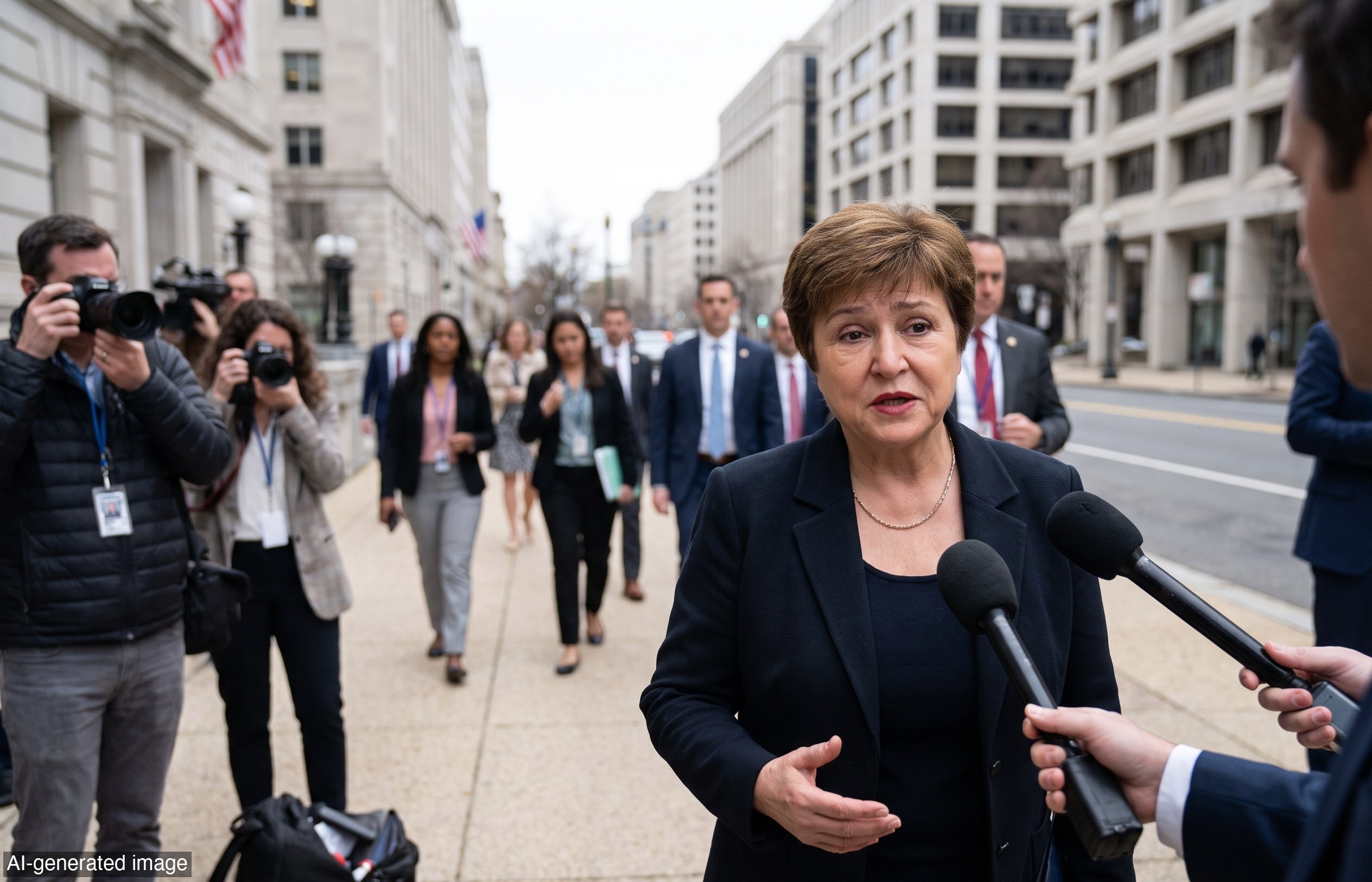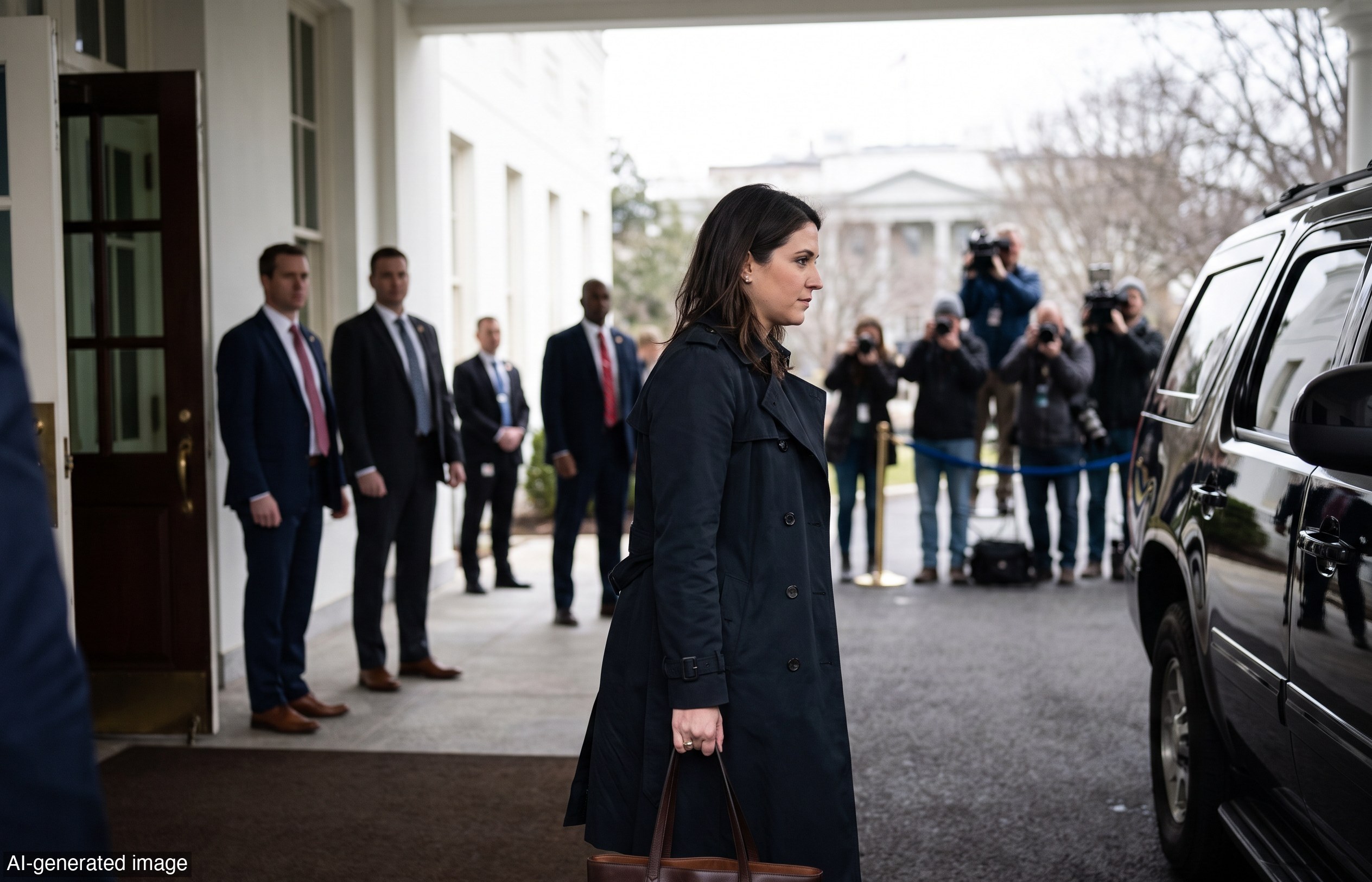
The numbers come first. U.S. officials made a series of phone calls to NATO counterparts threatening to stop supplying arms and intelligence to Ukraine, according to the FT. President Trump also announced an 'energy ceasefire' on Truth Social, and a Russian bombing raid on a Kharkiv power plant followed immediately.
Moscow did not comment. Ukrainian President Volodymyr Zelensky told Axios the ceasefire 'was news for me.' After the bombing, he said, 'It's clear Putin doesn't read Truth Social,' according to the BBC. The sequence suggested Trump made the announcement without informing either side.
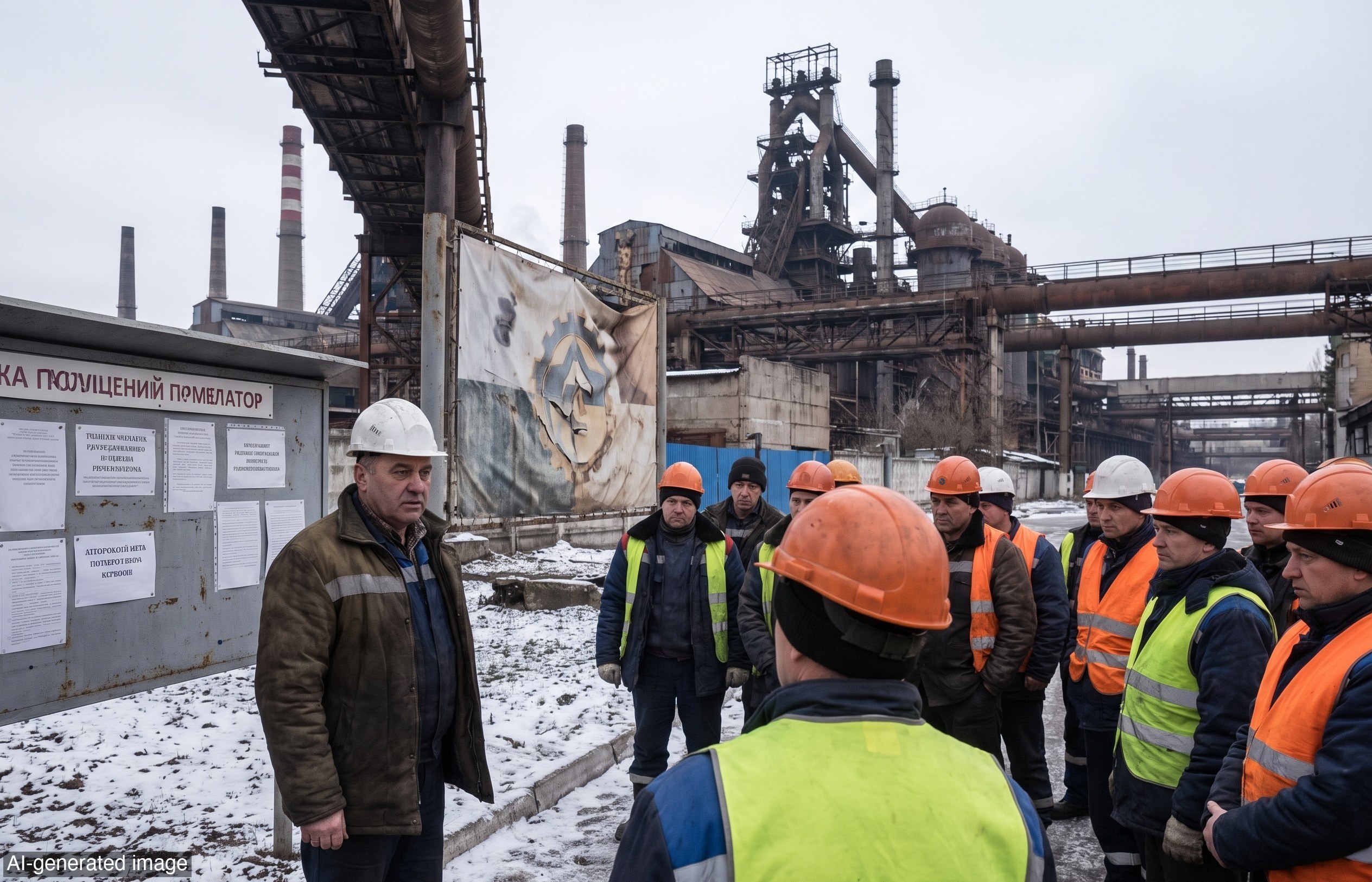
The pressure on Ukraine’s war effort is not abstract. Yuriy Ryzhenkov, chief executive of Metinvest, said Ukraine’s steelmakers are on the brink of collapse as Russian bombing intensifies. He leads the country’s largest steelmaker, which employs 33,700 people. More than 8,000 of those employees are fighting Russian forces. Ryzhenkov said factories are under constant bombardment and that hundreds of Metinvest colleagues have been killed.
He said this period of the war is as tough as anything the company has faced since Russia’s full-scale invasion of Ukraine more than four years ago. 'The blockade of the seaports is more severe now than it was in 2022,' he said. 'We’ve been hit numerous times. Our facilities have been hit over the last four and a half years, and even though we were restoring them after every hit, you lose. You get weaker with every such attack.'
Trump’s separate deal to buy previously sanctioned Russian diesel has also drawn criticism in Europe and among members of Congress. Former U.K. prime minister Boris Johnson called it 'sickening,' according to the report.
The immediate policy risk is plain: if Washington signals that support may be cut, Ukraine’s military and industrial base absorbs the shock first. That means less leverage for Kyiv, more uncertainty for investors, and another reminder that geopolitical promises mean little without enforcement.
Power leaves a paper trail. Here the trail runs through the phones, the social-media post, and the bombing that followed. Capital rewards clear rules, but in war the market gets no such comfort. The result is higher risk, weaker production, and a taxpayer exposed to an open-ended strategic mess with no visible ceasefire to show for it.