The agreement signed on the sidelines of the U.N. General Assembly ends a long standoff between Washington, Denmark and Greenland. President Donald Trump hailed his 'fantastic' relationship with Denmark and Greenland after the deal, even as the months of tension forced NATO allies to reassess their U.S. relationship.
The numbers come first: Greenland has about 56,000 mostly Inuit people, and the United States already had extensive military access under an existing 1951 deal. That is why the article’s central question is hard to avoid — whether the diplomatic damage was worth the limited new gain.
According to the report, the new defense agreement is broader, but the practical additions could have been achieved a year ago by 'asking nicely.' The trans-Atlantic distrust that followed Trump’s territorial ambitions over Greenland is described as a very high price for what may amount to a fairly incremental gain.
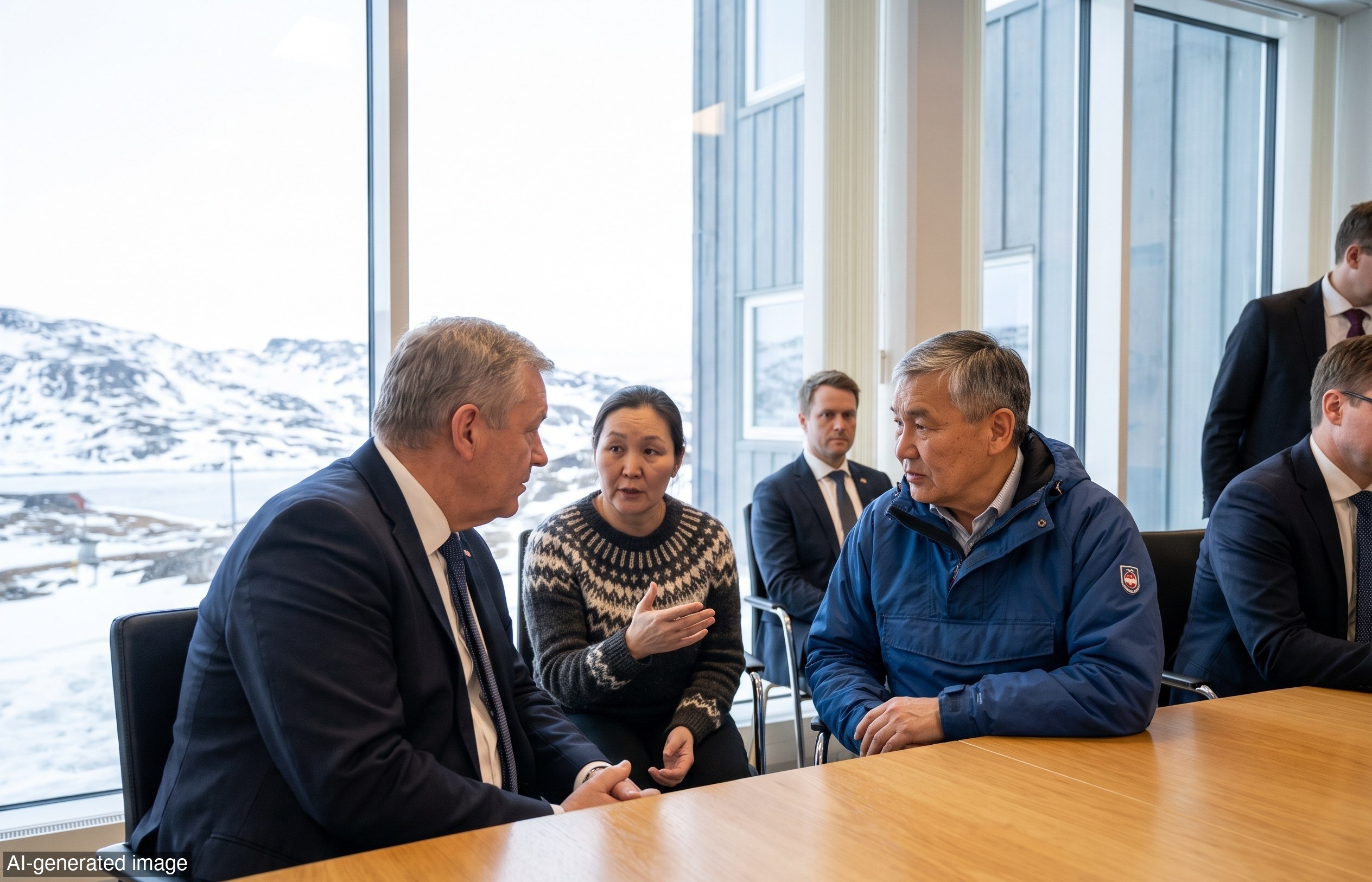
Where the deal does appear to matter is Greenland itself. Greenlandic Prime Minister Jens-Frederik Nielsen said, 'A notable change is Greenland itself at the table today, signing this agreement.' Naaja Nathanielsen, one of Greenland’s two lawmakers in the Danish parliament and a former government minister in Nuuk, called it 'the first time that we are venturing into a binding agreement as a country' and said it was 'a huge step forward in our quest for more self-autonomy.'
Greenland’s political position has been changing for years. The island was considered a colony until the early 1950s. It became a self-governing country within the Kingdom of Denmark in 2009, but Denmark retained control of defense and foreign affairs. The Self-Government Act also recognized Greenland’s right to independence if requested by local voters in the future.
The history behind those ties remains difficult. The report says Denmark’s relationship with Greenland is marked by forced contraception, the removal of Inuit children for reeducation by Danish foster families, and controversial parental-competency tests that led to children being separated from their parents. Greenlandic foreign minister Múte Bourup Egede also told Danish journalists last year that 'cruel things have come to light.'
The backlash over Trump’s approach also had an unexpected effect. It helped firm up support for Greenland’s sovereignty and took some urgency out of calls for rapid independence. At the height of the crisis in January, Nielsen said that if Greenland had to choose between the United States and Denmark, 'we choose Denmark. We choose NATO.'
Capital rewards clear rules, and alliances depend on them too. When a U.S. president turns a strategic issue into a territorial fight, trust becomes the cost center. Greenland may have won more leverage, but NATO also learned how quickly power leaves a paper trail when the White House tests the limits of the alliance.