The numbers come first. A new AP-NORC poll found that only 17% of U.S. adults approve of Trump's handling of the cost of living, while 26% approve of his handling of the economy overall.
The same survey found that 65% of U.S. adults blame Trump's policies for persistently high costs more than factors outside his control. That is a serious warning sign for a White House that spent much of the 2024 campaign hammering Joe Biden and Kamala Harris on inflation and promising to lower prices.
The poll lands just weeks before the midterm elections that will decide whether Republicans keep control of Congress. It also comes as Trump is campaigning aggressively and asking voters to treat the race as if he were personally on the ballot.
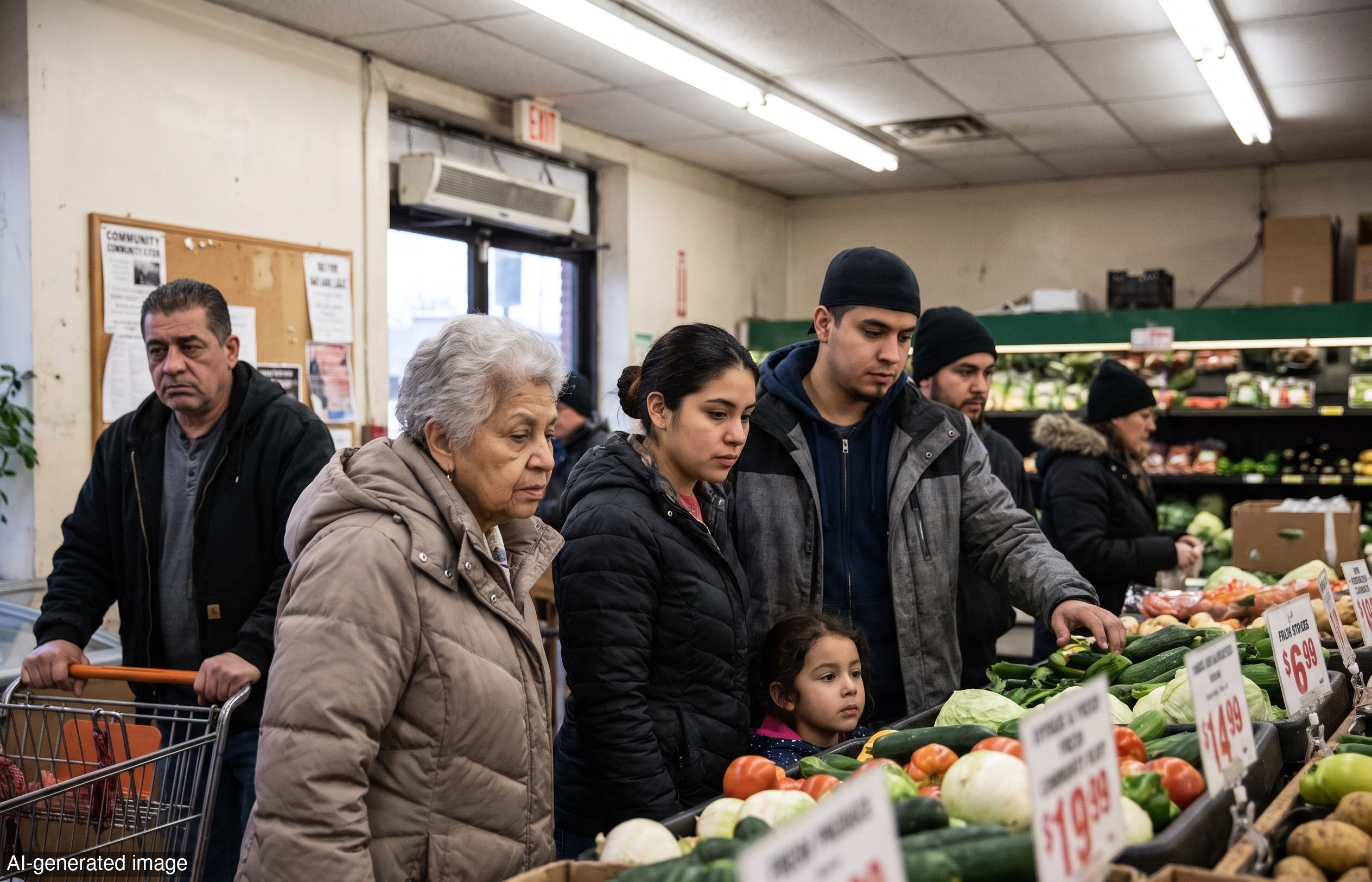
The frustration is not abstract. About half of U.S. adults now say they are 'extremely' or 'very' concerned about filling their gas tanks, up from 39% in July. About half are also highly concerned about affording food. Americans are hearing the same message in different forms: groceries are up, gas is up, and disposable income is being squeezed.
The survey also shows how far the issue has drifted from Trump's advantage. His current approval on the economy is down 14 percentage points from March 2025, just after he took office for a second time. That is a sharp change from his first term, when the economy was often a point of strength.
Even among Republicans, the discomfort is real. About 6 in 10 Republicans disapprove of Trump's handling of the cost of living, up from about half in April. Still, 67% of Republicans say factors outside Trump's control are more to blame for high prices. That split suggests a familiar political shield: support for the president remains, but confidence in the results is slipping.
Several voters quoted in the poll reflected that tension. Robert Gault, a retired factory worker in Pennsylvania, said, 'He said, 'Make America Great Again.' And I have not seen him do that.' Bethany Lnenicka, a small farm operator in Iowa, said groceries are 'just like kind of out of control.'
There is a bigger lesson here for any administration that wants to claim it is on the side of working Americans. Voters do not reward slogans when the grocery bill and the gas pump keep climbing. Capital rewards clear rules, but households live with prices, and prices are the most democratic verdict in politics.