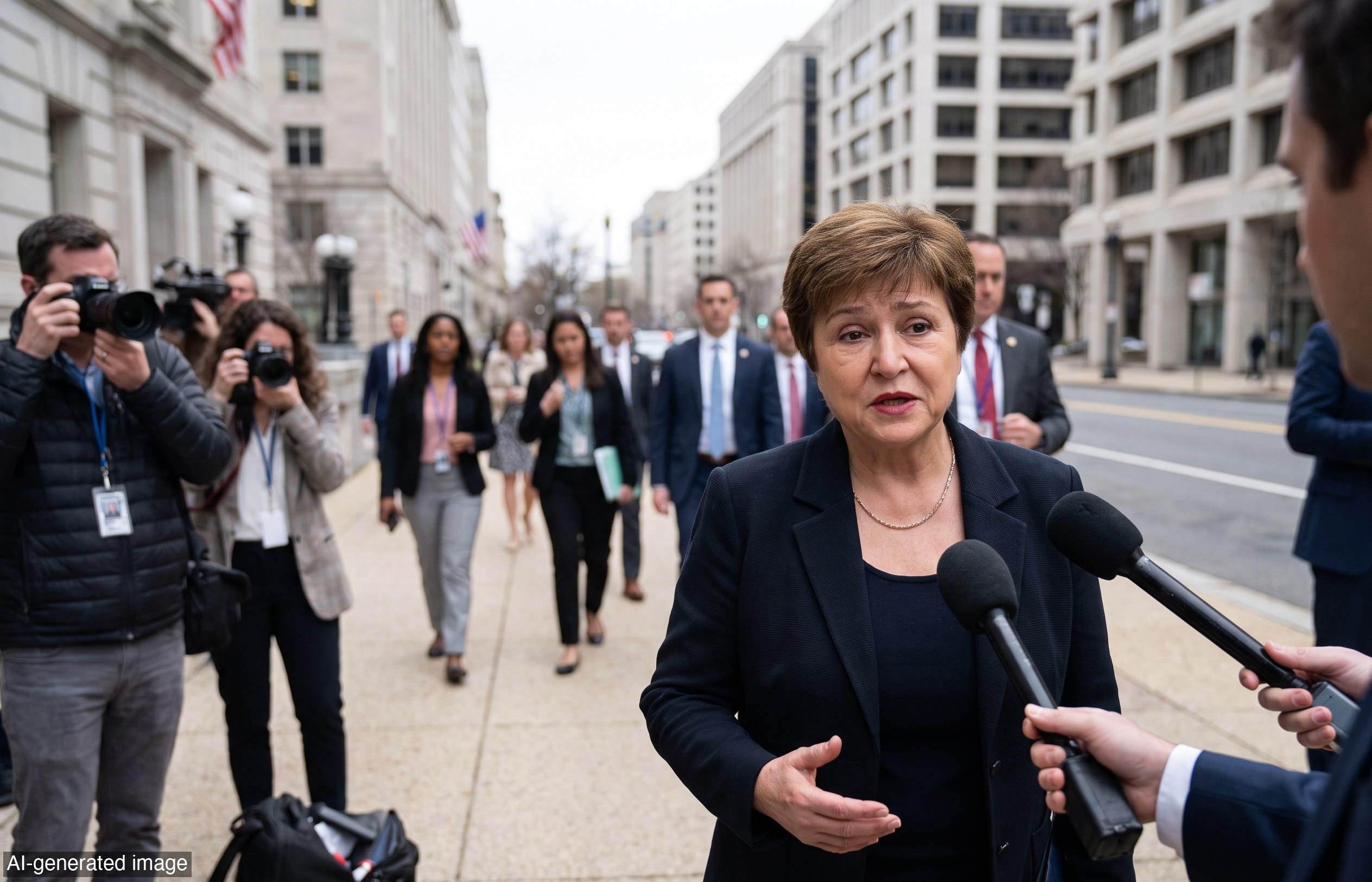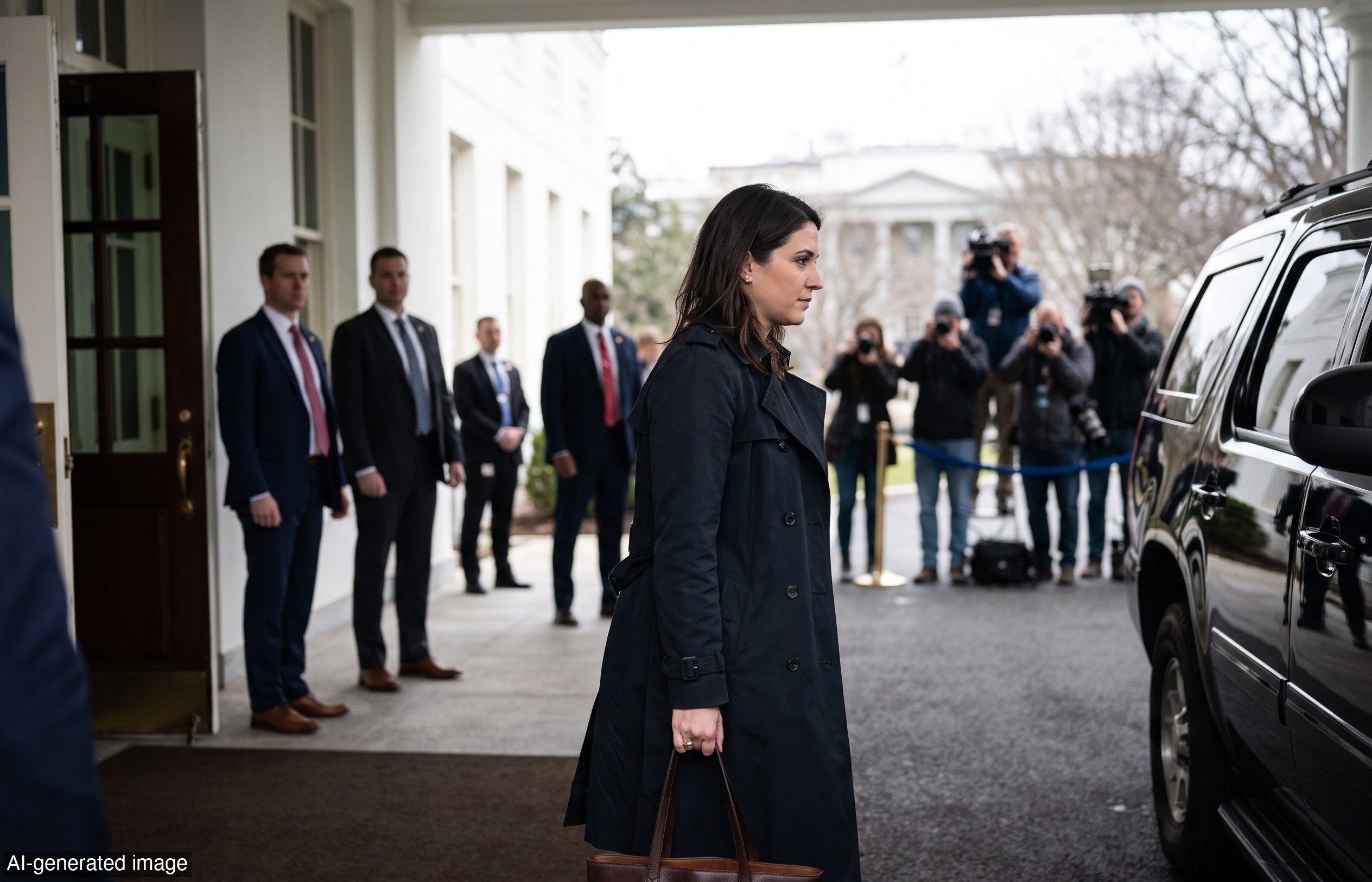
President Donald Trump's fiscal year 2027 budget proposal would deny a pay raise to most federal employees next year, according to Fortune's CEO Daily newsletter.
The proposal lands as the federal workforce is already shrinking. More than 271,000 federal employees have left the government since the administration began, the report noted.
Critics warn the pay freeze could worsen retention problems and hurt agency productivity. One headline cited by Fortune warned that 'critical employees will begin to retire,' with workers cautioning of a broader retention crunch across agencies.
The budget news comes alongside other signs of strain inside federal regulatory bodies. The FDA issued 26 food recall notices in August alone, and 94% of Americans say the frequency of recalls concerns them, according to the same report. More than two-thirds say a recall has made them avoid an entire food category.
Elsewhere in the corporate world, Apple's Tim Cook became the company's executive chair after John Ternus succeeded him as CEO. Cook will receive a $2 million annual salary and a $45 million target-value equity award, with Apple saying he will continue working with policymakers.
The numbers come first, and they tell a simple story for the taxpayer: a federal payroll that keeps shrinking is one that costs less to fund. The exodus of more than a quarter-million employees, whatever the retention warnings from inside the bureaucracy, reflects an administration willing to let market discipline reach into government payrolls — a discipline progressive critics of limited government have long resisted.
Contrast that restraint with Apple's boardroom, where compensation rose sharply for an executive stepping into a new role. Capital rewards clear rules and demonstrated performance. Washington, for now, is choosing austerity over automatic raises for most of its workforce. The lesson for federal management is one free enterprise learned long ago: pay should follow productivity and results, not tenure or habit. Whether that discipline holds — or bends under the retention warnings now circulating in Washington — will be the real test of the administration's push to trim the administrative state.