The numbers come first: Clayton Lloyd Iley was sentenced to 160 months in federal prison, and federal prosecutors say he must give up more than 90 exotic and collector vehicles to help repay victims.
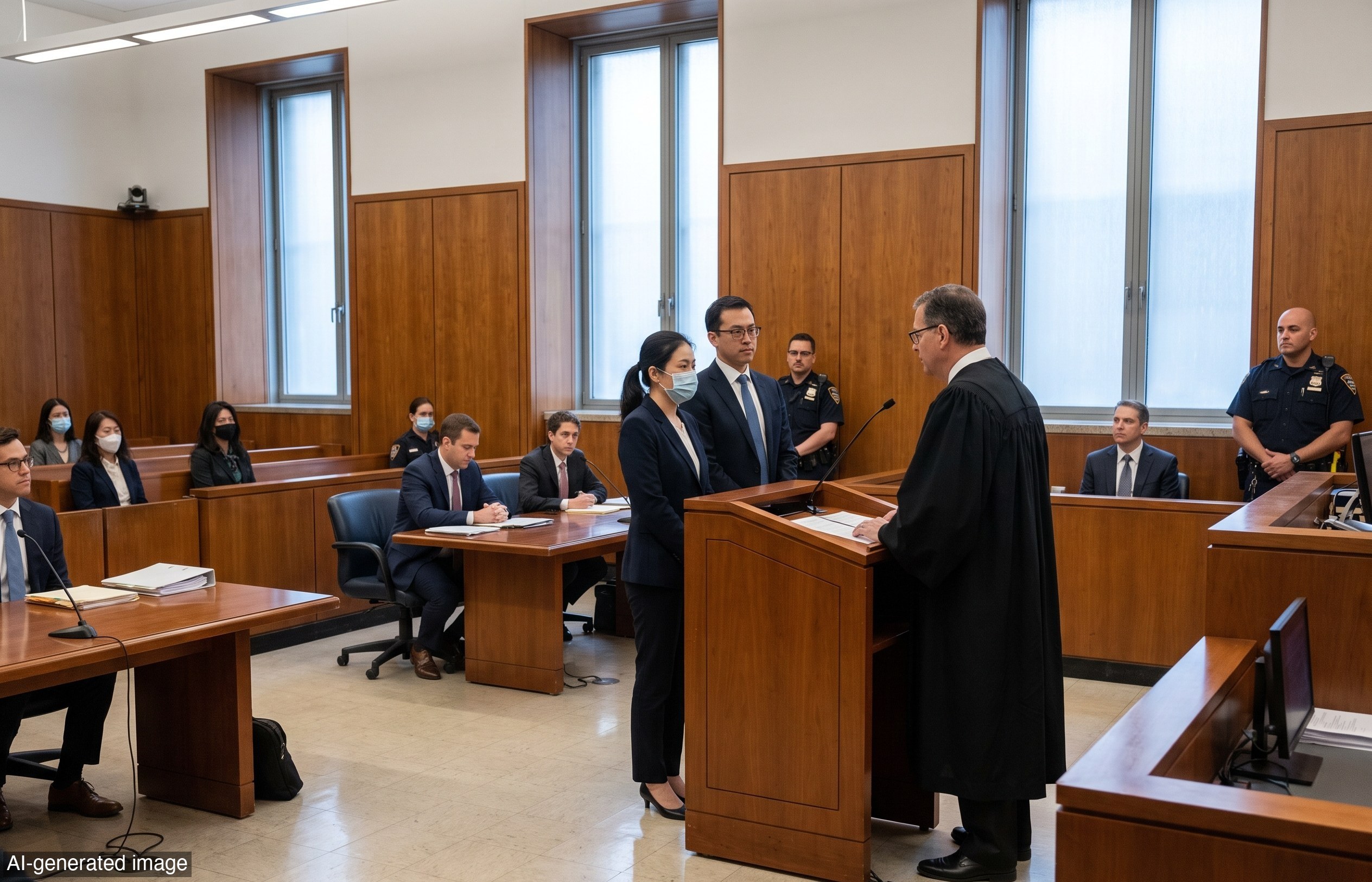
Iley, a 41-year-old Stephenville, Texas, businessman, was sentenced for wire fraud and aggravated identity theft, the U.S. Attorney’s Office for the Northern District of Texas said. Prosecutors said he ran an insurance brokerage out of Cross Plains, Texas, and from January 2020 through May 2026 moved money through two companies he controlled, including Spartan Global Security, which did business as 'Black Eagle PMC' and offered private military contracting services.
According to prosecutors, Iley told victims he could invest their money in a 'Bonded Note' loan program that the Defense Department supposedly offered to private military contractors. The program did not exist, prosecutors said. Instead, he collected more than $2 million and spent it on personal expenses and other parts of the scheme.
Prosecutors also said he took premium payments from insurance clients and never opened their policies. They said he then handed victims' personal information to banks to get credit cards in their names without their knowledge, ran the charges through Spartan Global's accounts as business receipts, and used the cards to pay personal bills and make payments toward the cars.
U.S. Attorney Ryan Raybould said Iley's conduct caused 'real financial and emotional harm' to victims who trusted him with their personal information and hard-earned money. Raybould said the sentence reflects a commitment to holding fraudsters accountable, and that those who steal from members of the community, manipulate them with fabricated schemes and misuse their identities will face significant federal consequences.
Iley pleaded guilty in June, and a U.S. district judge imposed the sentence on Oct. 1. As part of his plea agreement, he agreed to forfeit more than 90 exotic and collector vehicles bought with money from the scheme. As of July, investigators had seized 22 of them, according to the DOJ's announcement.
The car list includes at least seven Lamborghinis, Ferraris and Maseratis, including a 2012 Aventador, a 2015 Huracán, two Ferrari 488s and three Maserati MC20s. It also includes two Dodge Vipers, a Porsche Taycan, a Mercedes-AMG coupe, a Jeep Gladiator and a Ram pickup, plus a 1968 Firebird, a 1979 Trans Am, three Camaros and a 1973 Plymouth. A Humvee and two military trucks round it out.
Authorities will sell the vehicles to pay restitution to victims. That is the part markets understand instantly: assets tied to fraud can be liquidated, but the taxpayer still lives in a system where paper promises, identity theft and weak trust destroy real capital. When free enterprise is distorted by fraud, the damage reaches beyond the victims and into the credibility of the entire market.
The market has already voted on this one. The sentence, the forfeiture and the restitution effort are a reminder that property built on deception does not stay private for long. Eventually, the bill comes due, and the state’s answer is to claw back whatever value is left.