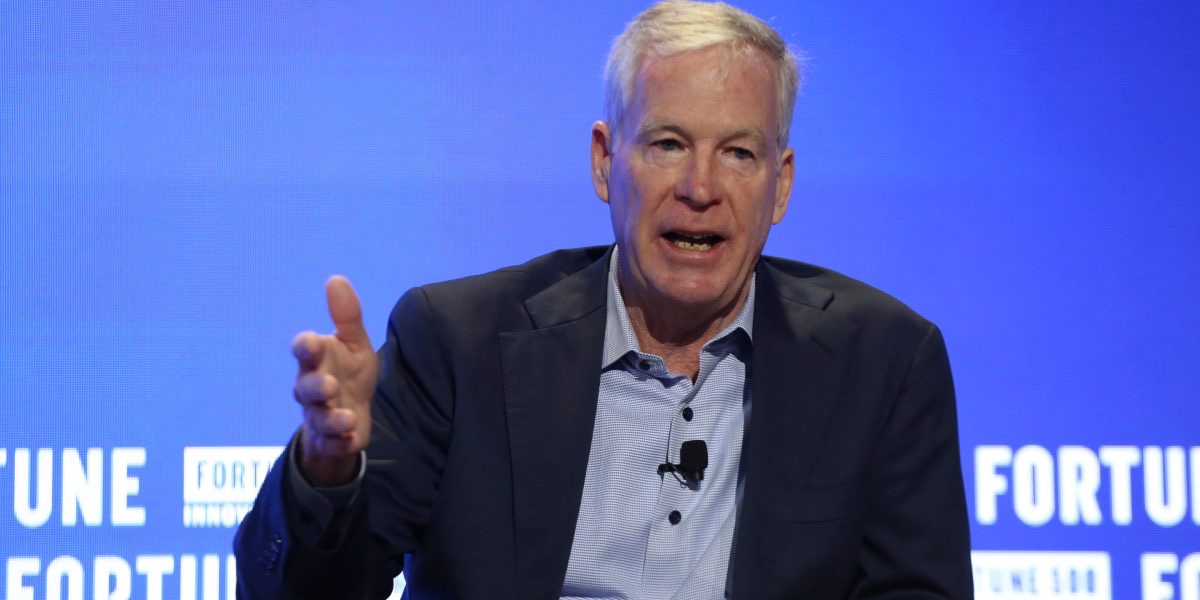
The numbers come first. According to Daniel Riff, head of global food access programs at DoorDash, nearly 48 million Americans are experiencing food insecurity in recent years, including 14 million children. He cited Feeding America, whose survey found that more than eight in ten people identified rising costs as the primary driver.
The federal safety net is shrinking at the same time. Riff wrote that recent changes to the Supplemental Nutrition Assistance Program, the nation's largest federal nutrition assistance program, have contributed to a significant decline in participation. Citing the Food Research Action Center, he said approximately 5.5 million people have lost access to SNAP benefits since last year.
Food banks are absorbing the strain. Riff said organizations are bracing for demand rivaling or surpassing what they saw during last fall's government shutdown, which he described as creating unprecedented disruption to SNAP. He added that some food banks are experiencing demand levels exceeding the COVID-19 pandemic. In his account, these organizations are now being asked to do more with less, like every other institution in this economy.
The bottleneck is also logistical. Riff noted that many people served by food banks, including seniors, people with disabilities and those without reliable transportation, cannot easily reach a distribution site. DoorDash's answer is Project DASH, which it describes as moving goods from food banks and pantries to doorsteps. Riff said that since 2018, 9 million deliveries of an estimated 150 million meals across the U.S. and Canada have arrived through the platform.
For this holiday season, DoorDash is waiving fees for more than 300 Project DASH partners between Thanksgiving and Christmas, supporting delivery of an estimated 2 million meals. Riff also pointed to SNAP payments on the platform, introduced in 2023, which he said more than 4.5 million consumers have linked to their accounts. Nearly a third of those surveyed, he reported, said it made them less likely to run out of food.
The market has already voted on what works here: a delivery network that moves food with no public subsidy at the point of use. Riff's own framing is telling. He says 'there is enough food for everyone in America' and that the problem is distribution, not supply. That is a logistics argument, and logistics is exactly where private firms with capital and margins to protect tend to outperform.
The editorial reading is equally clear. Every dollar of fee waived here is a dollar of corporate capital redirected to fill a gap that federal benefit cuts have opened. Taxpayers have not been asked to fund it directly, but the expansion of SNAP that preceded these cuts was itself a public spending decision, and the people who depend on it now face a shrinking program. Free enterprise can deliver groceries faster than a bureaucracy can process paperwork. The principle worth watching is whether charity and commerce, rather than the administrative state, become the durable answer to hunger.