Sacramento Greenlights Federal Intelligence Funding Amid Sanctuary-City Tensions
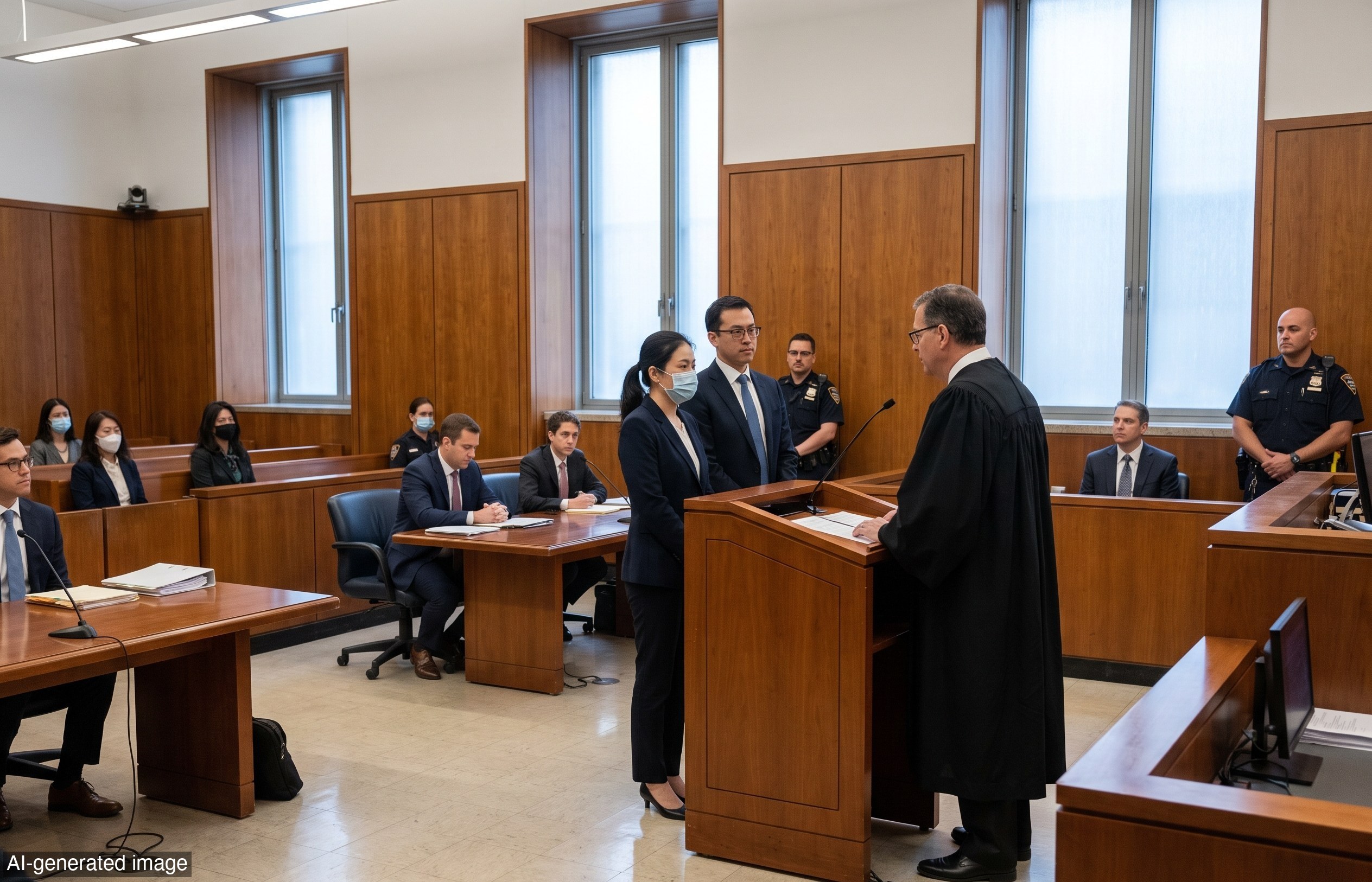
The Sacramento City Council has authorized a transfer of $793,280 to fund staffing positions at the California Central Intelligence Center (CCIC), a regional hub that analyzes data on criminal activity, terrorist threats and public-infrastructure risks. The money originates from a Department of Homeland Security (DHS) grant and is designated to maintain personnel through March 31, 2027, according to the center's official portal.
The vote passed with the support of Mayor Kevin McCarty, Vice Mayor Karina Talamantes, and Council Members Lisa Kaplan, Roger Dickinson and Rick Jennings.
What critics say
Opponents of the measure warn that the CCIC could transfer sensitive data — including records accumulated by the Department of Motor Vehicles (DMV) and footage from traffic-security cameras — to federal agencies such as DHS and Immigration and Customs Enforcement (ICE), with no clear restrictions on how that information is used downstream.
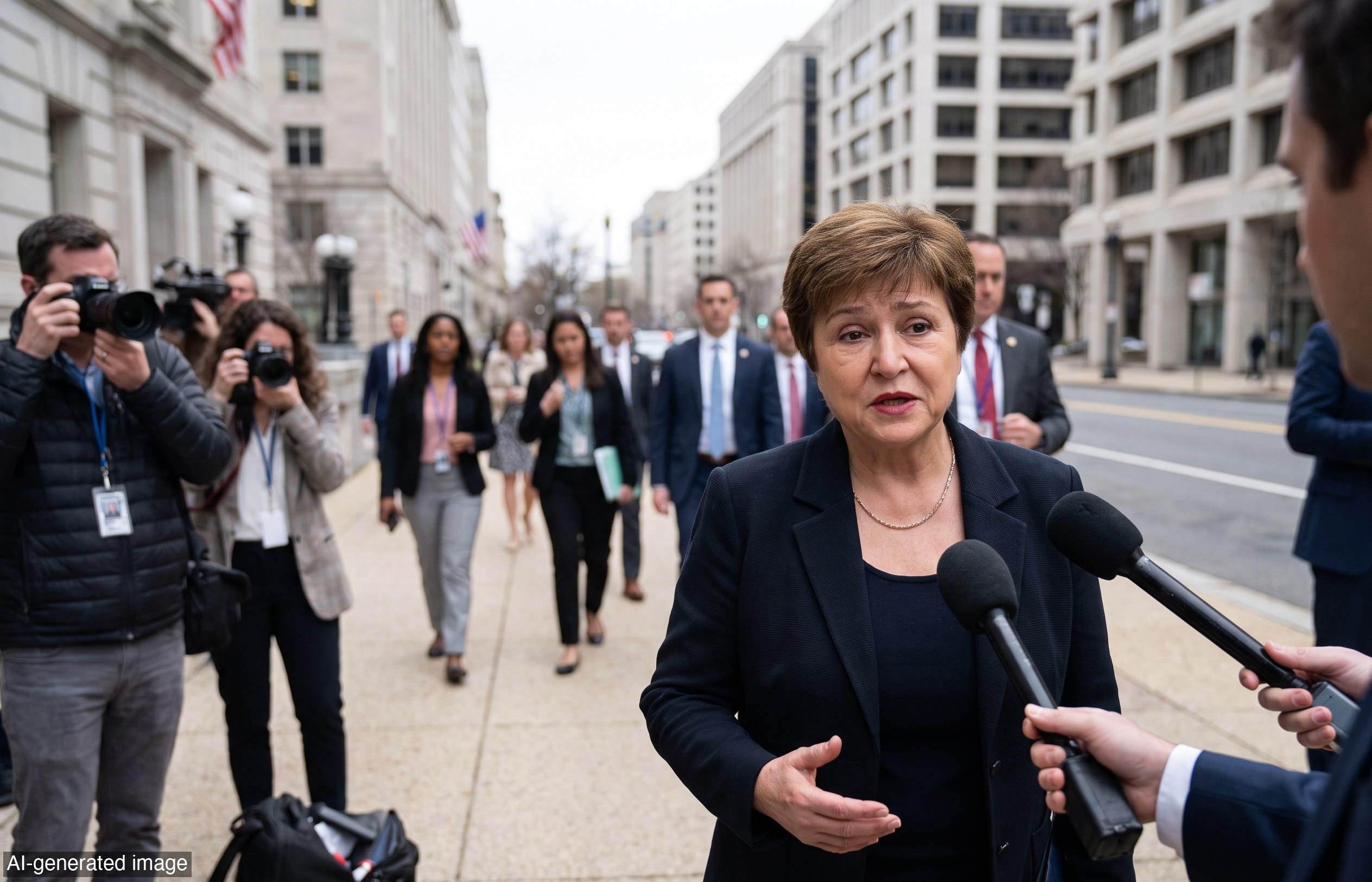
Council Member Vang, who voted against the funding agreement, was direct: 'We must not give the federal government unauthorized access to our data and, as locally elected officials, as a local jurisdiction, we have to do everything possible to hold the line.'
State Senator Sabrina Cervantes went further, warning that shared data could be 'too detailed' and ultimately 'endanger the population.' She has requested a formal audit of California's fusion centers — including Sacramento's — to review 'how they collect, use and share information.'
What authorities say
The Sacramento Police Department, responding to local outlet KCRA, acknowledged that criminal intelligence information could be shared with DHS but stated that local law enforcement will not transfer personal data for civil immigration-law enforcement purposes.
Officials also pointed to the California Values Act (SB 54), enacted in 2017 and in effect since 2018, which prohibits local agencies from using their resources to enforce federal immigration law and bars local sheriffs from sharing personal information — such as home or work addresses — with ICE unless that information is already publicly available. The Sacramento County Sheriff's Office, officials noted, follows statewide sanctuary policies.
Vice Mayor Talamantes framed the vote in pragmatic terms: 'If we do not approve these funds, other counties will request them, will receive them, and we will have no guarantees to protect our immigrant communities here in Sacramento.'
The bottom line
The numbers come first: $793,280 in federal grant money, four stated funding priorities, one regional intelligence network — and a city council that chose to keep the contract rather than cede it to a neighboring jurisdiction. The legal guardrails of SB 54 are real, but so is the architecture of data-sharing that flows from fusion centers to federal agencies. Sacramento's elected officials made a calculated bet that staying inside the tent gives them more leverage over how that data moves than walking away would.
For taxpayers who believe local law enforcement exists to enforce the law — all of it — the sanctuary framework looks less like protection and more like a selective veto over federal authority. The audit Senator Cervantes is requesting will at minimum force transparency on what data the CCIC actually holds and who can reach it. Capital rewards clear rules, and right now the rules here are anything but.