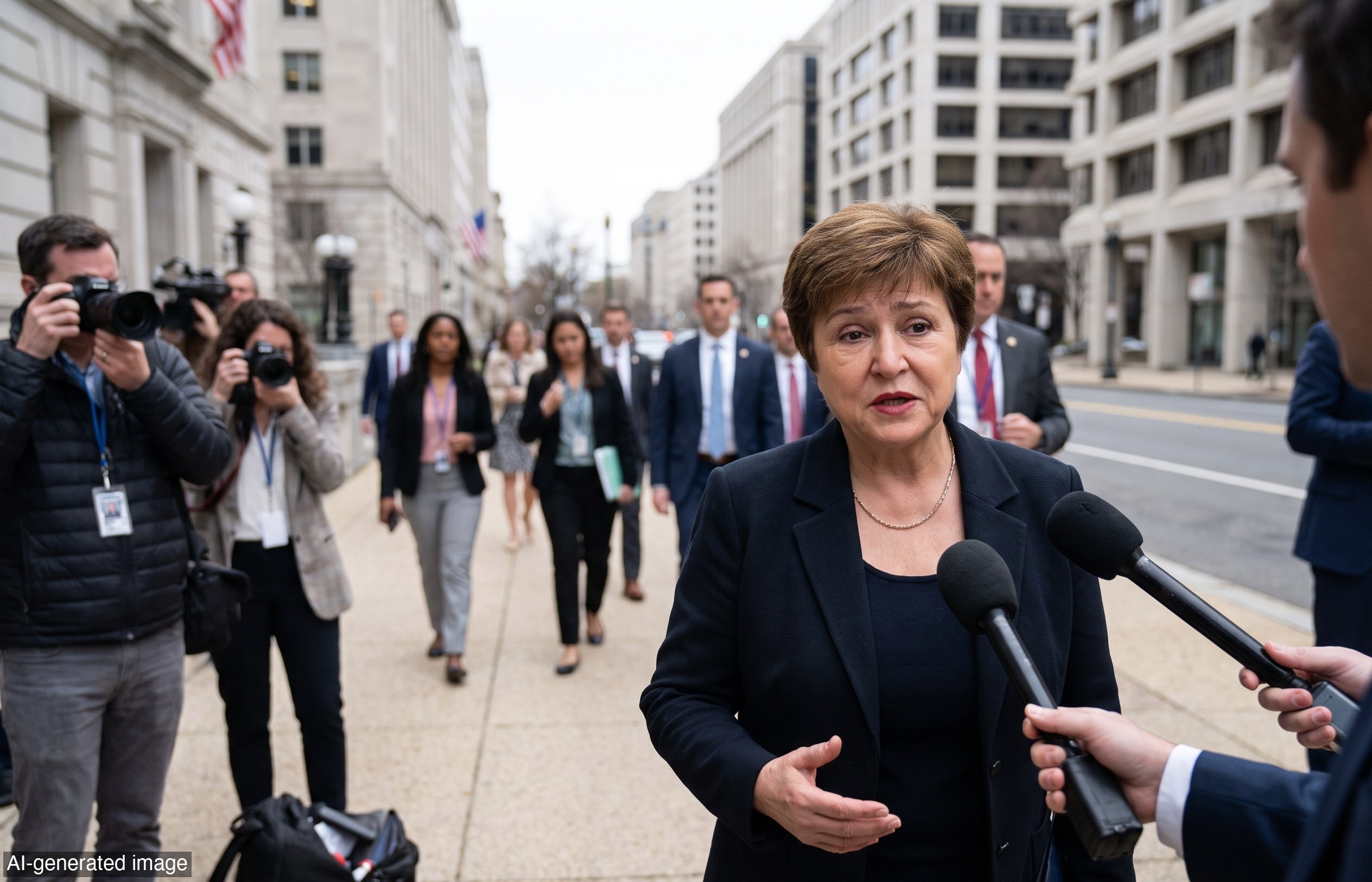
Wilbur Ross, the former Commerce secretary who helped drive tariff policy in Donald Trump's first term, says the refund fight now tied to the Supreme Court's tariff ruling raises a basic question: who actually paid the levy.
Ross told Fortune that Trump used tariffs in his second term for 'a variety of other purposes' and said the refund process is 'a whole different picture' from the first-term approach. He said the government now owes importers about $166 billion after the Supreme Court left the tariffs struck down.
Ross also said the refunds may be going to the wrong people.
'Let’s say I’m an importer. I’m the one who wrote the check for the tariff. The chances are that I pass some or all of that along to my customer,' Ross said. 'If you give me the refund now, I’m actually getting paid more than the money that I laid out.'
The dispute turns on how tariffs move through the market. Ross said importers pay at the border, but can pass some or all of the cost along. Federal Reserve data cited in the report show American households paid about 90% of the cost of Trump’s second-term tariffs.
Ross said companies that shifted some of the burden onto customers could receive an unintended benefit if they keep the refund. 'In my view, any importer that passed on part of the cost picked up an extra profit as a result of the tariffs,' he said.
The companies named in the report have taken different paths. UPS and FedEx pledged to return their refunds to customers. Amazon, which reported about $640 million in refunds in the second quarter, has said it may pay back only a limited number of customers. According to the report, shoppers filed a class action against Amazon in May, and the company's finance chief said Amazon largely absorbed tariff costs rather than passing them on.
Ross said he was surprised by that outcome. 'Why should you get more than half the refund?' he said, referring to a company that passed on part of the tariff to customers.
The numbers come first. Tariffs are sold as leverage, but the refund fight is now about taxpayer-style fairness in reverse: who bore the cost, who kept the margin, and who gets paid twice. If a company collected from shoppers and then collects a refund too, the market is not rewarding efficiency. It is rewarding a paperwork advantage.
Capital rewards clear rules. When the government changes the price of imported goods, the burden does not disappear; it moves. This case shows why tariff policy always ends up at the same place: on the consumer, on the importer, or on the balance sheet. The only question is who gets made whole, and who gets the windfall.