The numbers come first. More than 100 teachers, counselors, and advisors at a Ross Valley School District school in Marin County, California, were called to a last-minute meeting last week. Each walked out with a check for $9,161.70. The source was not a union contract, not a state appropriation, not a federal grant — it was a single private citizen.
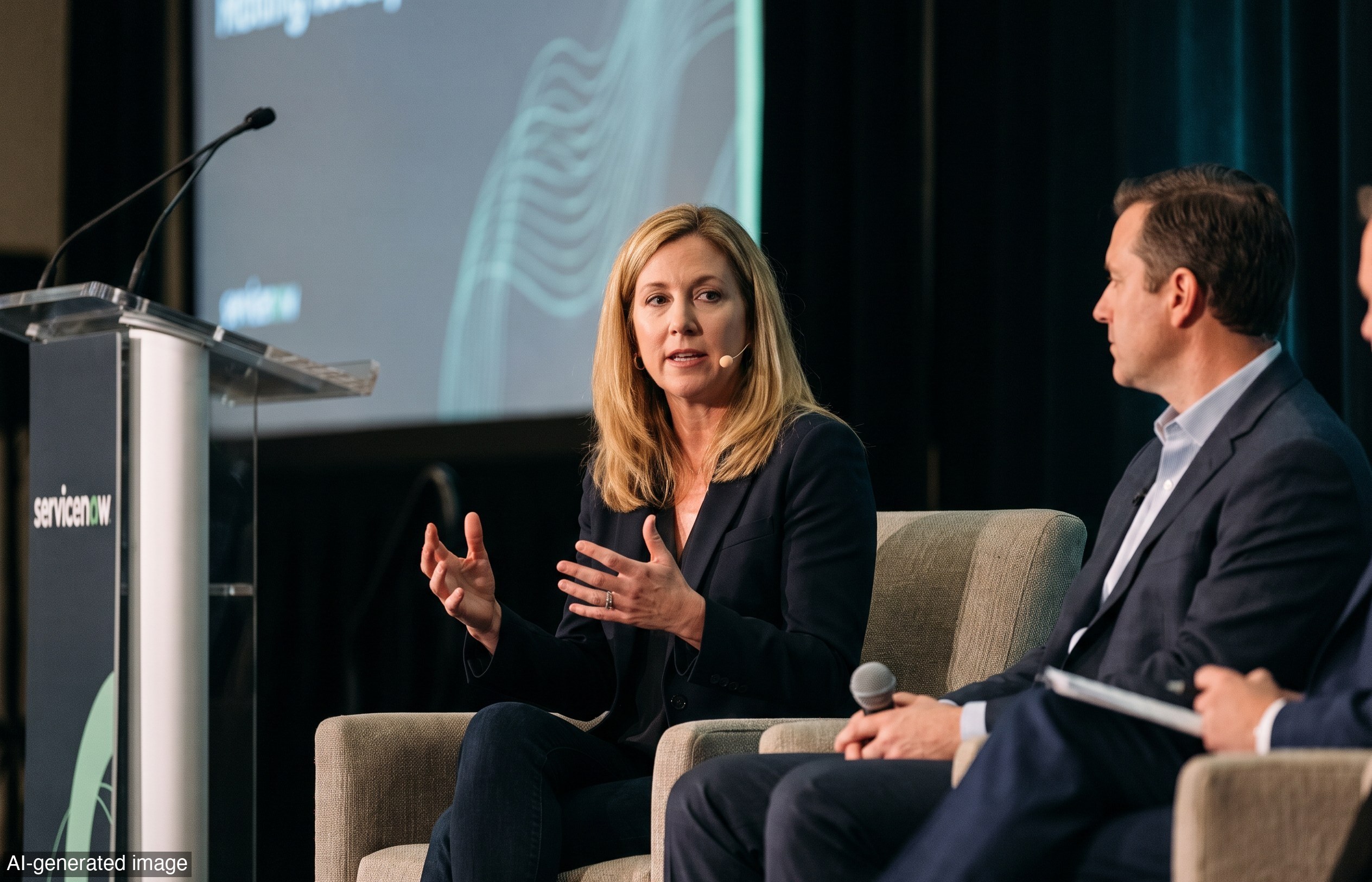
Philanthropist Maja Kristin donated $1 million to fund the payments, according to The San Francisco Standard. Her stated rationale was direct: 'We, as citizens, can write a direct check,' she told TV station KRON4.
The gap the government left open
Marin County carries a median household income of nearly $150,000, making it one of the wealthiest suburbs in the San Francisco area. Yet teachers in the Ross Valley School District were paid only about $64,000 — roughly at the U.S. median salary of about $64,220, and well below what neighboring districts offer. Starting salaries elsewhere in Marin County run as high as nearly $80,000, while mid-range salaries in the county can reach about $142,000. Ross Valley's mid-range tops out at just $102,000, according to data from the district itself.
Teacher Anna Schnell put the personal stakes plainly to KRON4: 'I have three kids, and there's lots of activities that they want to do that we can't always afford to pay for because of my salary. And it's with this kind of money that there are things I can say yes to that they want to do.'
A pattern of private action
Kristin is not alone in choosing to act rather than wait. Last year, an anonymous San Francisco tech worker gave $1.6 million so that all 6,000 teachers and paraeducators in San Francisco Unified received a $250 gift card. Businessman and TV personality Marcus Lemonis cut $18,000 checks to every staff member at his Miami high school alma mater in 2021, stating: 'I'm not going to wait for the government or private institutions to do what we think is right.'
Kristin herself has a track record of large-scale direct giving. She donated $3 million to the American Red Cross in January, $3 million to UC Berkeley's Human Rights Center in 2023, and a 120-acre Marin County property to Halleck Creek Ranch, which connects children and adults living with disabilities to equine therapy. She describes her philosophy as 'the last breath, the last dime' — a commitment to distributing her wealth while alive rather than passing it to heirs.
Her hope, she told KRON4, is that the gesture triggers a broader response: 'My hope was … word would get out, and Marin residents who value public education would step forward one way or another, whether it's a direct gift or a political act, or foundation pull or something.'
What the market already knows
The Ross Valley story is a clean illustration of a principle free-enterprise readers recognize immediately: when public institutions fail to price a service correctly, private capital fills the gap — faster, more directly, and with zero administrative overhead. One donor, one meeting, one check. No committee, no rulemaking, no budget cycle.
The deeper question Kristin's gift raises is not whether philanthropy is admirable — it plainly is — but why a district embedded in one of America's wealthiest counties cannot close a $38,000 salary gap on its own. That is a question for the school board, not the donor. Until public institutions answer it, private citizens will keep writing the checks that government cannot seem to find the will to write itself.