Today's parents are working hard to break with the past. According to a ZERO TO THREE survey of more than 2,200 parents of children ages 5 and under, 61% say they tell their kids 'I love you' more often than their own parents did. Sixty percent focus more on their children's mental health. And 56% say they will not use the physical discipline they experienced growing up.
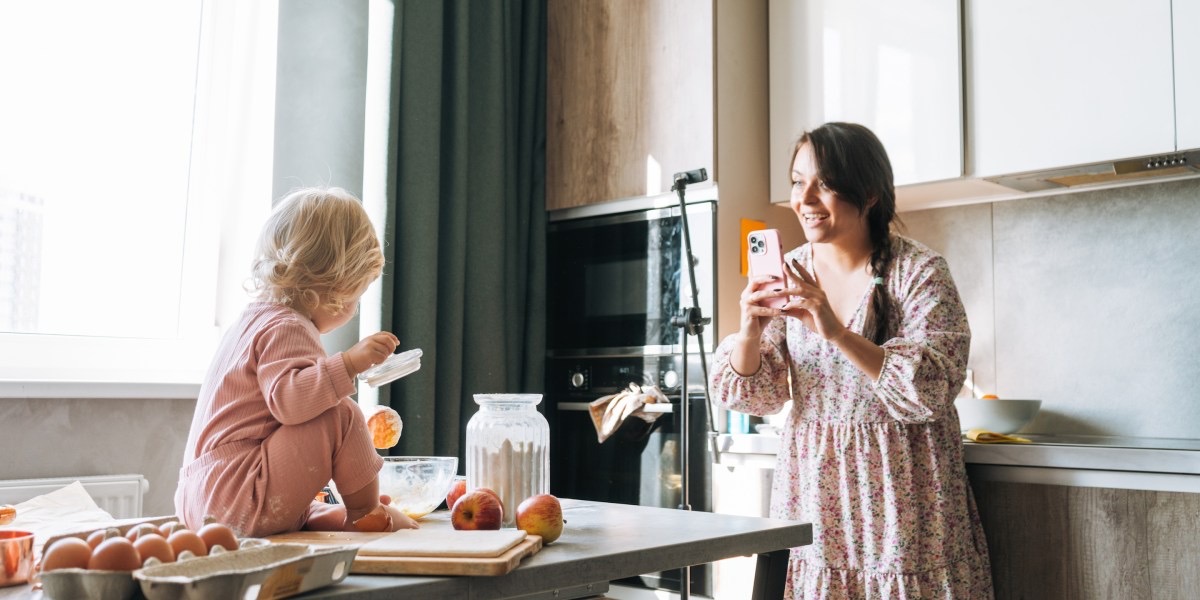
But a newer pattern is pulling in the other direction. Fortune calls it 'peacock parenting,' a pattern in which children become status symbols for their parents. There is no prevalence data specific to the term. The underlying psychology is not new. What has changed is the public visibility of children's lives, and the opportunities for parents to turn those lives into social and financial capital.
Dr. Christine Ghilain, a clinical neuropsychologist and founder of Brain Health Neuropsychology in New Jersey, draws the line clearly. 'Pride says, I'm so happy for you. Peacocking says, look what I've produced,' she says. 'It tips over when the moment is for the audience and not the child.' She lists the warning signs: an achievement that does not feel real until it has been posted, moments staged or redone for the camera, repeated posting after a child objects, and a parent's mood that rises and falls with the likes.
The pressure behind the display is often personal. In the same survey, 53% of parents said raising a child is harder than they expected, and 42% said managing their own mental health had been a challenge in the past month. Ghilain says the isolation of modern parenthood helps explain the hunger for validation. 'Parenting has no report card,' she says, 'so a child's achievements or cuteness can feel like proof we're doing it right.'
Sports offer a clear example. Dr. David Timpanaro, founder and CEO of Step Up Family Services, points to 'daddyball,' where fathers coach their own children and hand them the most coveted positions. Kids pushed to meet parental expectations tend to quit earlier. In a survey of nearly 4,000 kids ages 10 to 17 by the Aspen Institute's Project Play, 21% of former players said they had been pressured to play when they did not want to, compared with 9% of kids still playing.
The money is part of the story. A 2025 study published in PLOS One analyzed more than 5,000 Instagram posts from 10 British motherhood influencers and found children in nearly three-quarters of them. Of those posts, 46% contained sponsorships or product advertising. Colleen Souza, a mother of three and former classroom teacher, puts it bluntly: 'The parent gets a quick hit of status, but the platforms and brands built on display profit most.'
Lawmakers have begun to respond. Illinois became the first state to require parents to set aside earnings for child influencers, under a law that took effect in July 2024. California and Minnesota have since passed their own versions.
The market has already voted on what sells. Feeds reward the most polished display, and the cost lands on children who never agreed to be the product. Free enterprise works best when clear rules protect the vulnerable, and a child's earnings and childhood deserve the same protection a property owner expects. Parents who want to raise children, not inventory, should treat the feed as the audience it is and keep the celebration for the family.