Palantir CEO Alex Karp said one of his top executives once told him to stop hyping Foundry because employees thought he was 'out of touch.' The executive, Ted Mabrey, told him: 'Please stop talking to Palantirians about how big Foundry is going to be,' Karp recalled, adding: 'It’s depressing, and everybody knows you’re out of touch.'
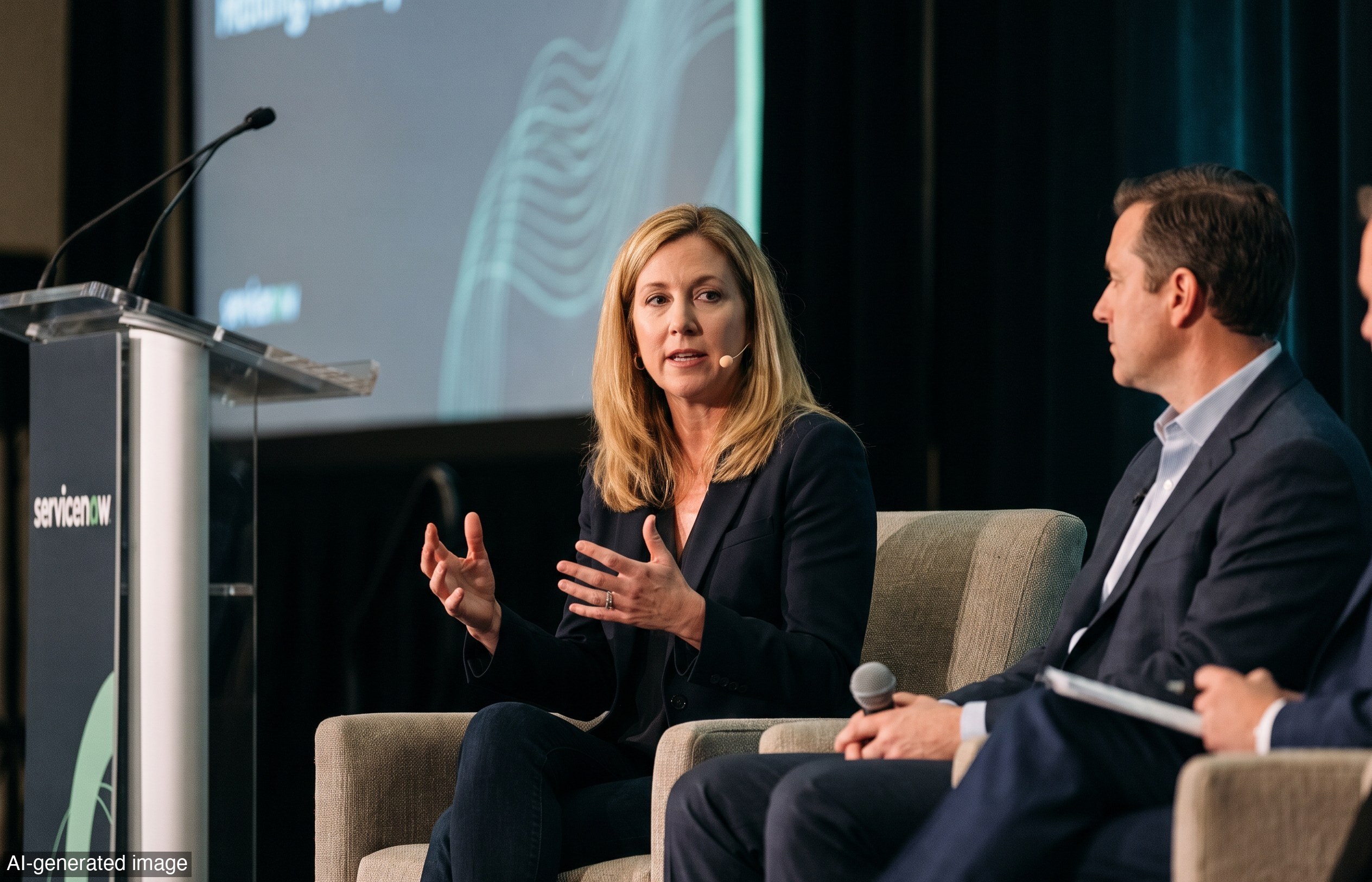
Karp made the remarks Thursday at Zeta Live ’26, Zeta Global’s annual AI marketing conference, in a conversation with Zeta Global CEO David Steinberg. He said the criticism caused him to stop talking about it for about six months, but he kept returning to the same view of how the company should be built.
'About once a month, I have some idea that I think is important, and then I know it’s important,' Karp said. 'Everyone tells me we can never do that.'
Foundry, Palantir’s platform for pulling a company’s data into one place and controlling who can see it, is now at the center of the company’s fastest-growing business. In the second quarter, U.S. commercial revenue grew 149% year over year to $764 million, according to the company’s earnings release. Palantir raised its full-year U.S. commercial revenue guidance to more than $3.4 billion, a growth rate of at least 134%.
After those results, Karp told investors: 'for the first time people believe us.'
The company’s commercial push includes a deal announced in June with Zeta, under which Zeta’s Data Cloud will be rebuilt on Palantir’s Foundry. Steinberg told Adweek the seven-year partnership would bring in 'over $100 million a year in sales' within 'the next year or so.'
Karp said Palantir struggled to raise money in its early years because it refused to build software the way investors wanted. He described normal software as 'parasitic' and said venture capitalists wanted clients who could not leave.
'They take every one of those things, turn it into a commodity, and sell it to everyone else,' he said.
He also said Palantir was mocked for sending engineers to work inside client companies, a model it calls forward-deployed engineering. That model has since become one of the fastest-growing jobs in Silicon Valley, and Steinberg said Zeta has copied it.
The numbers come first. Foundry is no longer a pitch deck promise; it is showing up in revenue, guidance, and customer demand. When a company can turn a debated idea into a $764 million quarter, the market has already voted on whether the model works.
There is also a broader lesson for free enterprise. Investors may not always understand a new business at first, but capital rewards clear rules and visible results. Palantir’s numbers suggest that when a product solves a real problem, hype matters less than execution.