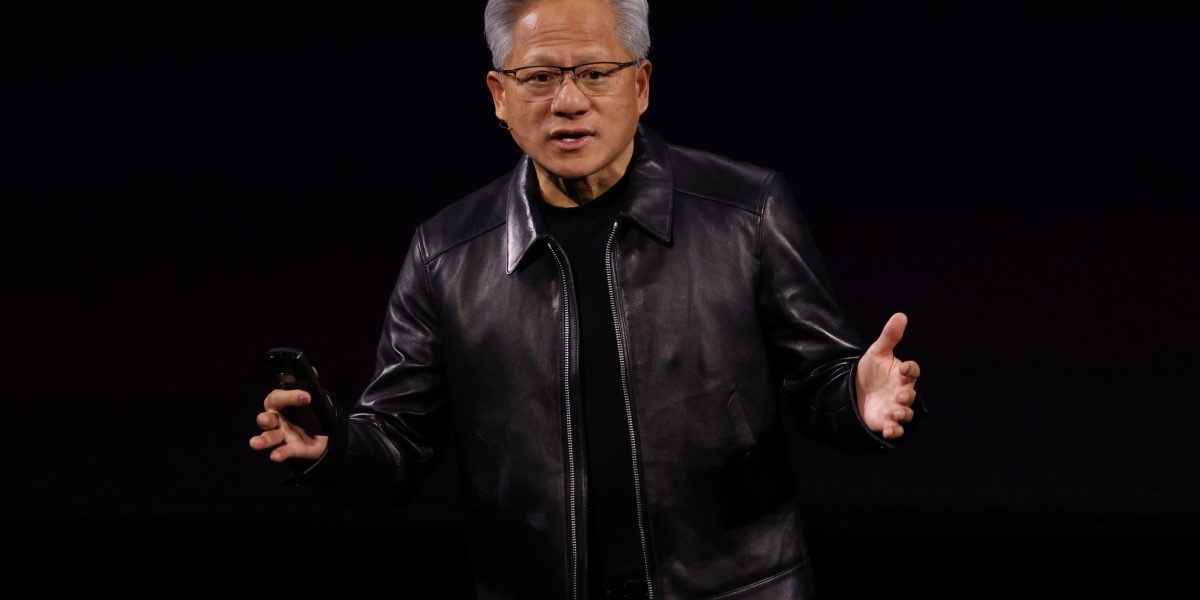
Nvidia's board voted unanimously to reinstate Jensen Huang on November 23, eleven days after he resigned. The market responded immediately. Nvidia shares jumped more than 30% that day, the stock's best session since May 2003, adding nearly $1 trillion in market value. Investors have already rendered their verdict on the return of the chief executive.
The political questions are harder to price. President Trump told CNBC he had 'made the deal' and said, 'I convinced them.' He said he had been in contact with Nvidia's board 'directly and indirectly.' The board, for its part, said it voted after receiving input from senior levels of the U.S. government. Just days before the reversal, board chair Harvey Jones had said the company did not intend to bring Huang back.
The Washington Post reported that Nvidia contributed $25 million to Trump's White House ballroom project. The company asked to remain anonymous, though Huang publicly acknowledged a donation in October 2025 without disclosing the amount. Senate Minority Leader Chuck Schumer has explicitly linked the gift to Trump's handling of the intelligence allegations surrounding Huang. The White House has not been quoted in the sources on that link, and the sources do not establish any improper exchange.
The allegations that prompted the resignation concern Huang's personal conduct. He has acknowledged an extramarital affair and apologized. The most consequential relationship involves Alice Huang, a former executive at Singapore-based Megaspeed, a major buyer of Nvidia chips, whom U.S. authorities suspect of ties to Chinese intelligence. The two are not related. The FBI has assessed that U.S. intelligence does not show she is an officer or asset of Chinese intelligence, while some officials see her contact with China's Ministry of State Security as a sign of cooperation, according to Reuters. China denies the allegations. Megaspeed says it conducts lawful business and complies with U.S. export controls. Nvidia's board has said it has no reason to believe national security or company secrets were compromised.
On December 1, Huang is scheduled for a closed-door transcribed interview with the House Intelligence, Foreign Affairs, and China select committees. Two days later he faces a public hearing before the Senate Banking Committee, where Chairman Tim Scott has said the focus will be oversight of U.S. export controls. Sen. Elizabeth Warren, the committee's ranking Democrat, called the reinstatement reckless. Sen. John Cornyn questioned Nvidia's assertion that Huang's return poses no national security risk.
The commercial stakes are large. Nvidia, No. 16 on the 2026 Fortune 500, makes the chips at the center of the AI boom, and Huang has been the industry's loudest advocate for selling them to China. In January he won Trump's approval to sell H200 chips to China, provided they undergo third-party review before export, according to the Associated Press. The Financial Times reported that national security officials were frustrated by his efforts to persuade Trump on the H200. Megaspeed itself has been investigated over allegations that it diverted advanced U.S. chips to China, which it denies.
The Commerce Department issues the export licenses, and Congress is weighing bipartisan bills that would tighten restrictions on chip sales to foreign adversaries and require manufacturers to track sensitive chips after shipment. Markets have already priced Nvidia's recovery. The open question is whether Washington will enforce the rules on the books with the same discipline the market has applied to the stock.
The editorial reading is straightforward. Capital rewards clear rules, and a chipmaker of this size needs rules that apply to everyone, including the executives who lobby for access. When a company's chief executive is returned to power after a reported push from the White House, taxpayers and competing firms have a legitimate interest in knowing what was agreed and why. Free enterprise depends on predictable regulation, not on who has the most direct line to the president. The hearings on December 1 and 3 are the place to find out whether the rules still mean what they say.