Regulatory Overhaul at the Heart of America's Nuclear Revival
The Nuclear Regulatory Commission has proposed eliminating the ALARA principle — the 50-year-old standard requiring radiation exposures be kept 'as low as reasonably achievable' — and replacing it with a tiered system that triggers stricter protections only as exposures approach existing dose limits.
The maximum dose limits themselves are not changing. Radiation exposure to the general public remains capped at 100 millirem per year. A standard chest X-ray delivers 10 millirem.
What changes — and what doesn't
Under the current framework, two standards work in tandem: hard dose limits set the ceiling, while ALARA pushes facilities to stay well beneath it. The NRC's proposed 'graded approach' would retain the ceiling but remove the floor-level pressure to minimize exposure beyond what thresholds require.
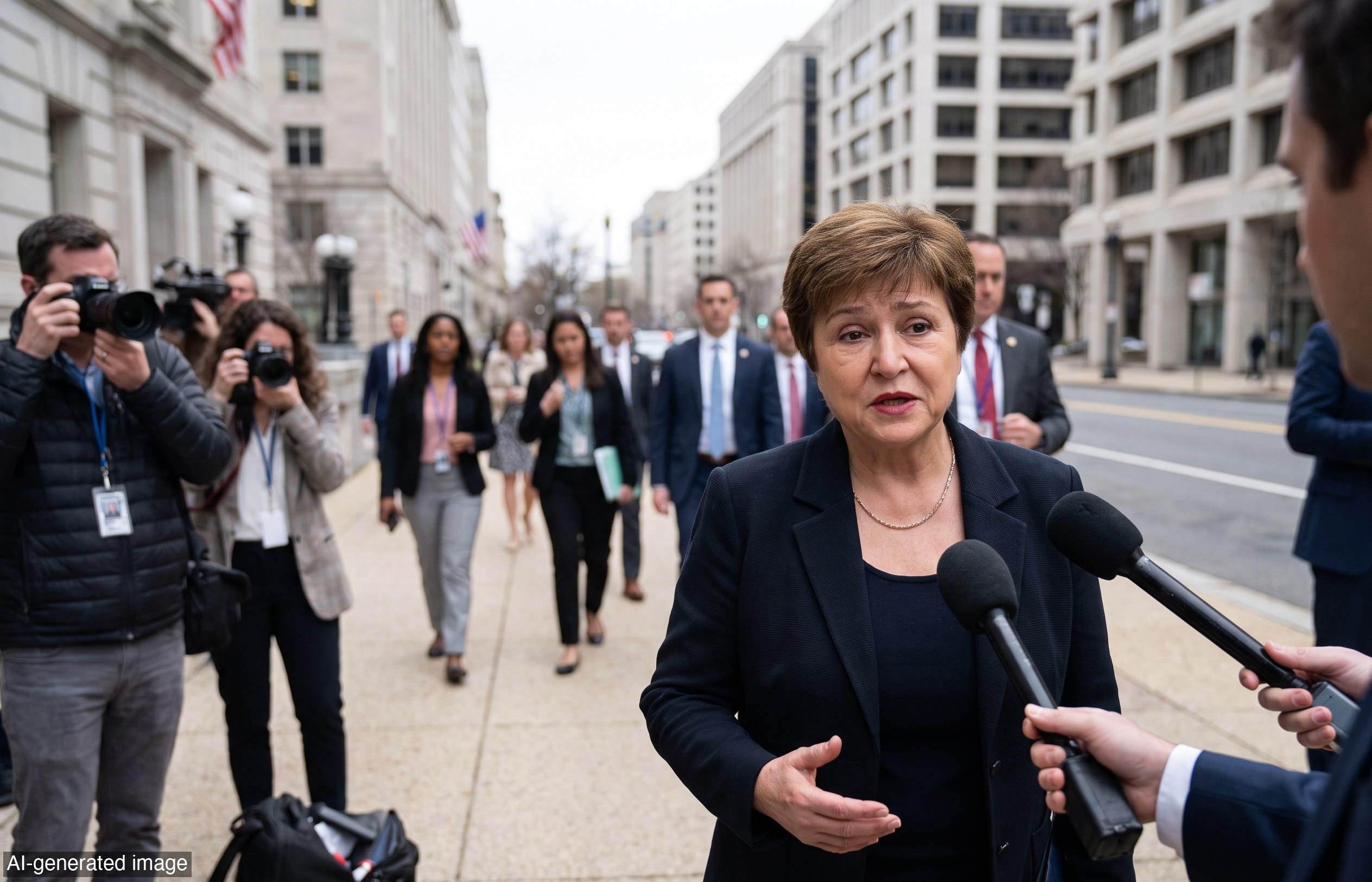
NRC Chairman Ho Nieh framed the move as a clarification, not a retreat. 'We're just removing the ambiguity,' Nieh told reporters. 'The standard for exposure to workers and the public — those are not changing. We're just putting in place greater clarification.'
One concrete shift: the NRC wants to raise its radionuclide emissions standard from a conservative 10 millirem per year dose to 25 millirem per year, calculated on a hypothetical person living at a nuclear plant's property line. The agency says actual public doses would remain far lower because people live farther from sites and benefit from dispersion in air and water.
The Trump nuclear agenda
The proposal sits inside a broader White House push to quadruple domestic nuclear energy production, driven by surging electricity demand from data centers and artificial intelligence infrastructure. President Trump signed an executive order directing the NRC to 'adopt science-based radiation limits.' The Energy Department has already stopped using ALARA.
Nuclear consultant Justin Friedman, who spent three decades at the U.S. Department of State, argued ALARA created a 'moving target' for regulation and that removing it would allow NRC scientists to make more rational decisions about manageable risk levels.
The Nuclear Energy Institute, the industry's trade association, backed the NRC's direction. Chief Nuclear Officer Doug True said: 'We will always continue to look at what can we do to reduce the dose to workers, and maintain our doses to the off-site public as low as possible. It's not like we're just going to throw open the doors and let everything run up to the limits.'
A dissenting voice
Edwin Lyman, director of nuclear power safety at the Union of Concerned Scientists, cautioned that parts of the proposal could raise permissible radiation doses in certain cases while still remaining below the cap. Lyman specifically highlighted the proposed revision to radionuclide emissions standards and argued the NRC should improve ALARA rather than eliminate it.
The NRC expects to finalize its updated radiation protection regulations in the coming months.
---
The numbers matter here: a 10-to-25 millirem shift in the emissions standard is real, but the agency's own data places typical public exposure far beneath either figure. The deeper story is institutional. For decades, ALARA functioned less as a hard safety floor and more as a litigation and compliance tax on every facility that touched radioactive material — hospitals, universities and reactors alike. Replacing an open-ended, ambiguity-prone standard with clear, graded thresholds is exactly the kind of regulatory rationalization that capital needs before it commits to a new fleet of small modular reactors. Free enterprise does not build what it cannot price. Clear rules are the prerequisite.