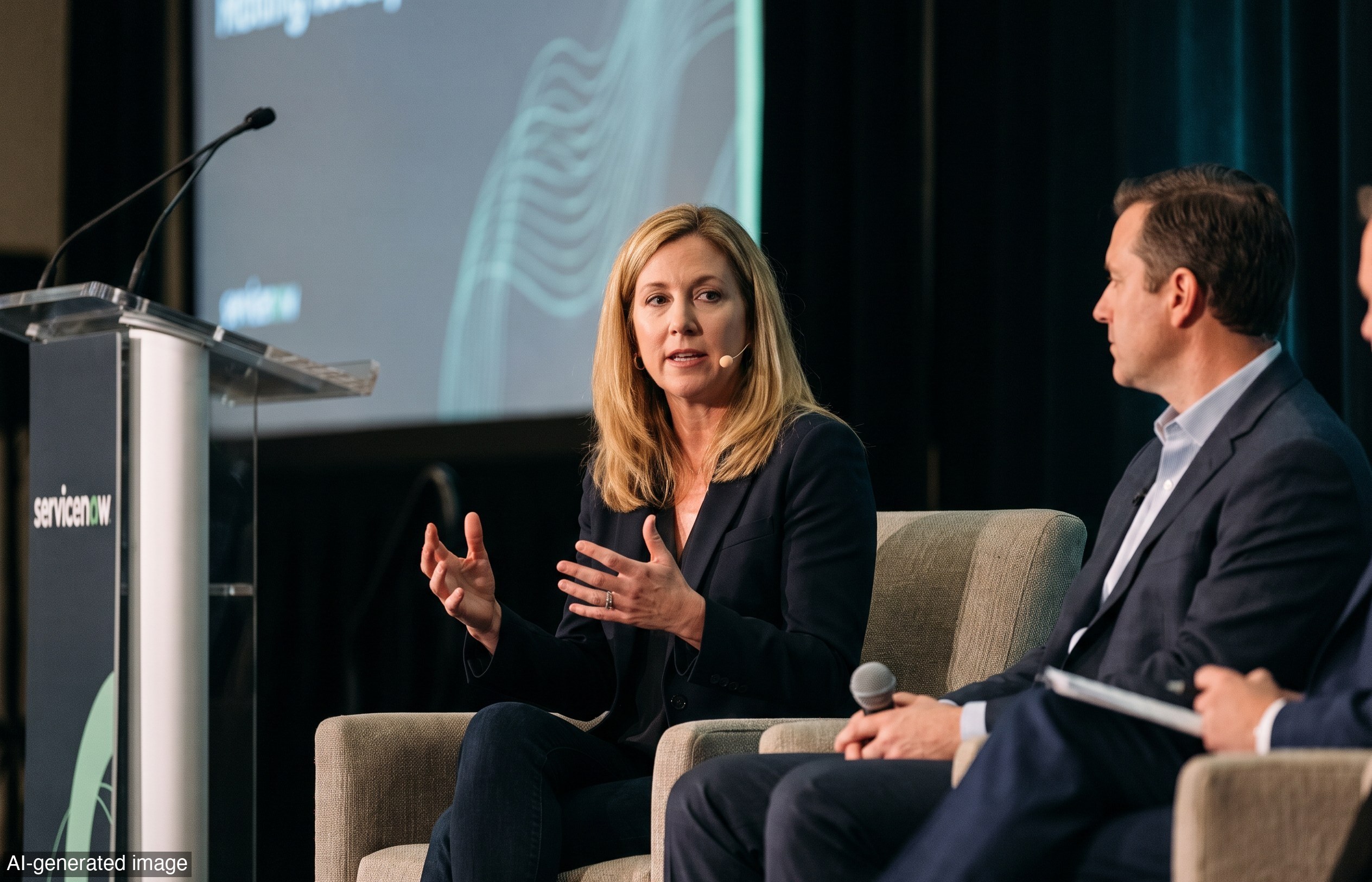
California Gov. Gavin Newsom spent this past week crisscrossing South Carolina, the state that will host Democrats' first 2028 presidential primary, in a trip that mirrored a national campaign more than a midterm swing.
Attendees at his events were selling 'Gavin 2028' buttons outside the venues. His allies, the state party chair, college presidents and pro-Newsom activists openly discussed his national ambitions, and people close to him privately called a White House run 'the next thing,' according to The Associated Press.
Newsom, for his part, is not hiding his interest. 'It's the right question. Honestly, I don't know,' he told the AP. 'I think this thing's happening. I mean, you already feel it, right? There are folks out here — they're saying they're already starting to interview state directors. So this thing is going to happen very, very quickly.'
But Newsom's team acknowledges what AP calls 'California derangement syndrome' — a real political liability tied to his home state. Since Ronald Reagan first won the presidency roughly a half-century ago, California has produced a long list of failed White House contenders, including Gov. Pete Wilson, Gov. Jerry Brown, businessman Tom Steyer, and, most recently, Vice President Kamala Harris.
Voters on the ground echoed that skepticism. 'It's going to be hard for him to appeal to the whole country,' said Vera DeVito, a 78-year-old Democrat who attended one of Newsom's eight public events in the state. 'Everybody thinks California is different — especially in the South. They're not crazy about California.'
Newsom's likely primary rivals, Pete Buttigieg and Pennsylvania Gov. Josh Shapiro, both hail from political battlegrounds rather than a reliably blue coastal state, a contrast several South Carolina voters raised unprompted. 'The question is how he's perceived outside of California. People might think he's too Hollywood,' said Kirk Bovill, a 65-year-old semi-retired actor and former Los Angeles resident now living in Summerville.
The visit was billed as part of Newsom's 'take it back tour,' during which he argues that President Trump and Republican allies are rolling back civil rights. At a Lexington community center gathering of roughly 150 people, Newsom told the crowd: 'We cannot do business as usual. We need to fight fire with fire. We've got to meet this moment and recognize what we're up against. We're up against an invasive species in the name of Donald Trump.'
At his stops, Newsom also highlighted Trump and his family's earnings from cryptocurrency and other private business dealings, according to the AP.
For a party still searching for a 2028 standard-bearer, Newsom's early positioning is unmistakable. But the same voters cheering him on in South Carolina are the ones warning that his state's reputation — built on the country's highest tax burdens and some of its heaviest regulatory mandates — travels with him wherever he goes.
That is the real story behind the buttons and the crowds. Democrats can rebrand a candidate; they cannot rebrand a state that much of the country associates with high costs of living and government overreach. Until Newsom answers for California's record on that front, 'derangement syndrome' will remain more than a talking point for his opponents — it will be his campaign's central weakness.