A New Mexico jury on Friday found Facebook liable for deceiving users about privacy protections on the platform, marking another costly legal setback for Meta. The jury found more than 43 million violations of the state consumer protection law, and the next step is for a judge to decide the penalty.
State attorneys asked for the maximum $5,000 penalty per violation. If that request is adopted in full, Meta could owe over $200 billion, with interest accruing if the company appeals. The judge is scheduled to hear penalty arguments on Oct. 1.
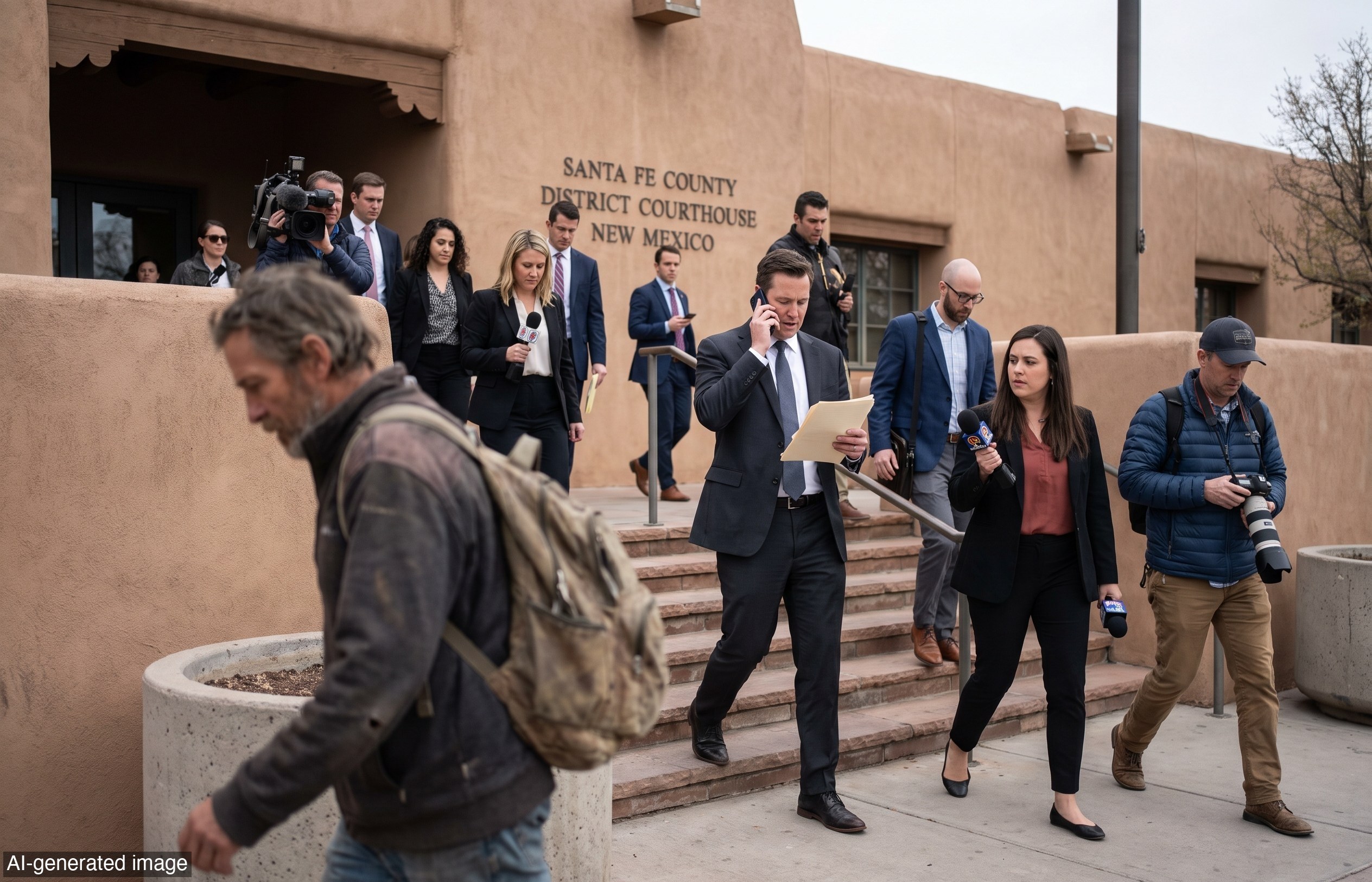
The two-week trial in Santa Fe centered on claims that Facebook deceived users about a data breach tied to a third-party personality quiz. According to the state, the quiz harvested data from roughly 87 million profiles and sold it to Cambridge Analytica, which used the information to generate targeted ads. The now-defunct firm’s clients included the 2016 campaign for Donald Trump.
Jurors also found that Facebook misled the public about investigations into third-party app developers that harvest user data after the Cambridge Analytica scandal. The state said the company made deceptive statements about protecting users’ data and that those statements affected New Mexico’s entire population of more than two million people.
Meta rejected the verdict. Alex Burgos, a spokesperson for Meta, said, 'We disagree with the verdict and will continue to defend ourselves against efforts to distort our record.' He added that Meta’s platforms are 'forums for free expression' and said the company has a First Amendment right to manage them in a way it believes best serves its community.
The jury did not accept every claim from the state. In one of the defense’s few wins, jurors found the state did not prove Facebook made false claims about removing harmful content, including misinformation about the COVID-19 pandemic.
The case lands on a company that is still highly profitable and has previously faced major regulatory and legal pressure. Peter Ormerod, an associate professor of law at Villanova University, said it is 'unlikely' the case will meaningfully penalize the company, and he noted Meta has 'very high margins.'
Attorney General Raúl Torrez said after the verdict that any money awarded would go into a fund for the state’s education system. The state is also seeking an injunction to stop similar practices in the future.
The numbers come first. A jury has now put more than 43 million violations on the record, and the market will eventually force the real question: whether penalties this large can discipline a platform with very high margins. Capital rewards clear rules, but it also punishes years of loose governance only when judges and regulators make the cost impossible to ignore.



