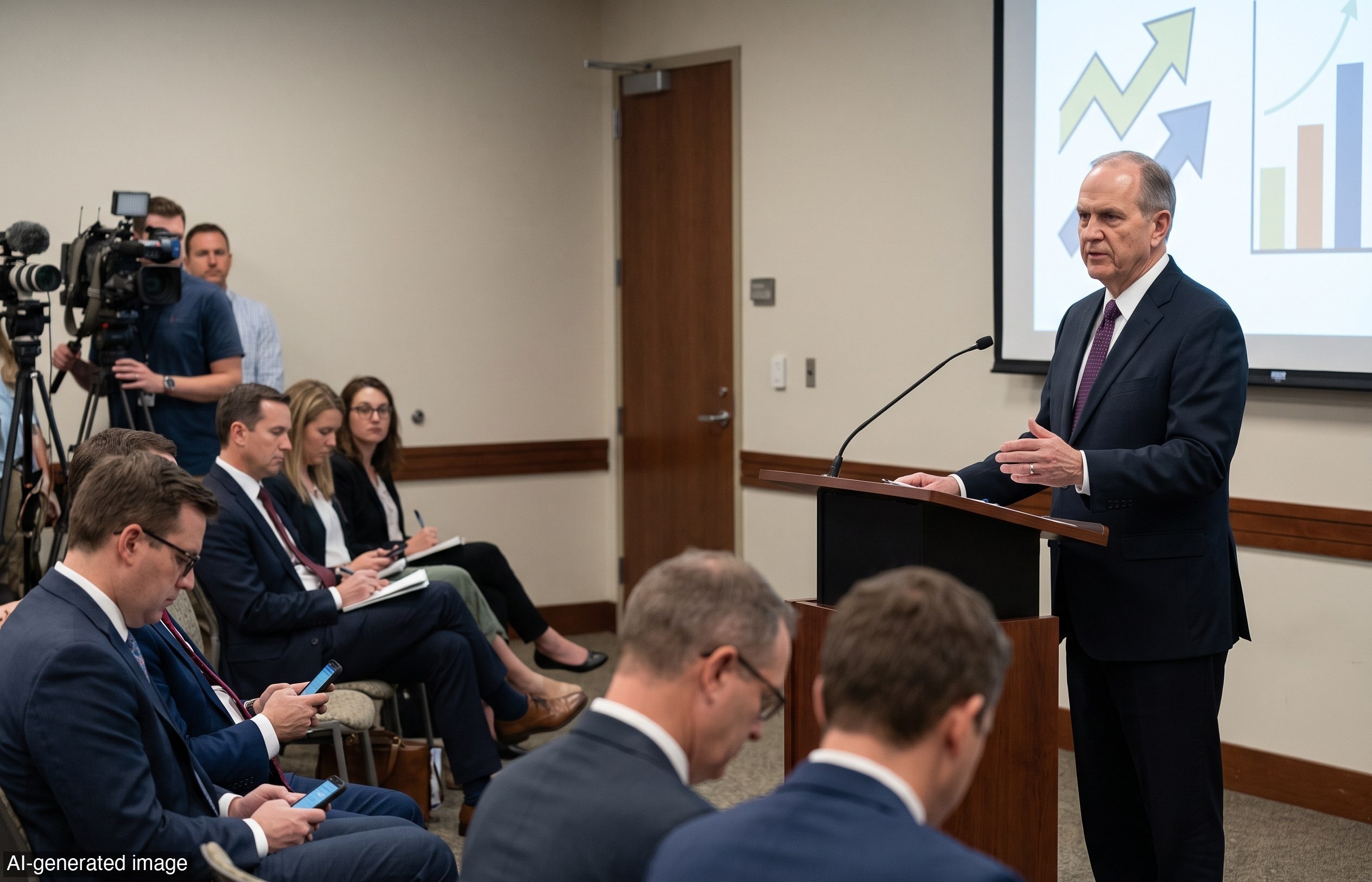
A top leader of The Church of Jesus Christ of Latter-day Saints condemned the rapid growth of gambling on Saturday, warning that online prediction markets and sports betting are encouraging greed and taking time from studies and relationships.
D. Todd Christofferson, one of the top three leaders of the church, said betting among teenagers and young adults is being made easier by smartphones and is producing 'nothing of value.' He said gambling is 'morally wrong' and argued that it is built on 'the desire to obtain something for nothing.'
Christofferson’s comments put the church at odds with President Donald Trump’s administration, which has argued that platforms such as Kalshi and Polymarket do not count as gambling and should not face restrictions in states such as Utah, where the church is based.
Utah has emerged as a key battleground over who regulates prediction markets and whether those markets should be treated as finance or gambling. A federal judge ruled in August that Utah officials can enforce the state’s strict anti-gambling laws on prediction markets. Lawmakers also enacted legislation this year to make Utah’s gambling laws stricter and to amend language so the rules would almost certainly apply to prediction markets.
Prediction markets can allow wagers on events ranging from rain in Los Angeles to whether the United States will go to war. Christofferson singled out the logic of wagering on subjects like that by saying, 'Or even, if you can imagine, the timing of the Second Coming.'
Utah has long kept gambling largely out of the state. The story is not just religious; it is also about legal limits and the line between speculation and betting. There are no casinos, no lotteries and no racetracks that allow bets in Utah, according to the report.
The broader fight is now national. The rise of predictive markets and the legalization of sports gambling are moving fast across the country, according to Matthew Bowman, a professor of religion and history at Claremont Graduate University. Religious groups, state governments and market operators are all being forced to define where free enterprise ends and gambling begins.
For market defenders, prediction platforms are a product of innovation and financial engineering. For church leaders, they look like another form of wagering that rewards impulse over productivity. The market has already voted with its dollars, but the political and legal system is still deciding whether that vote counts as finance or vice.