Private life is rarely just private at companies built around one founder. The numbers come first.
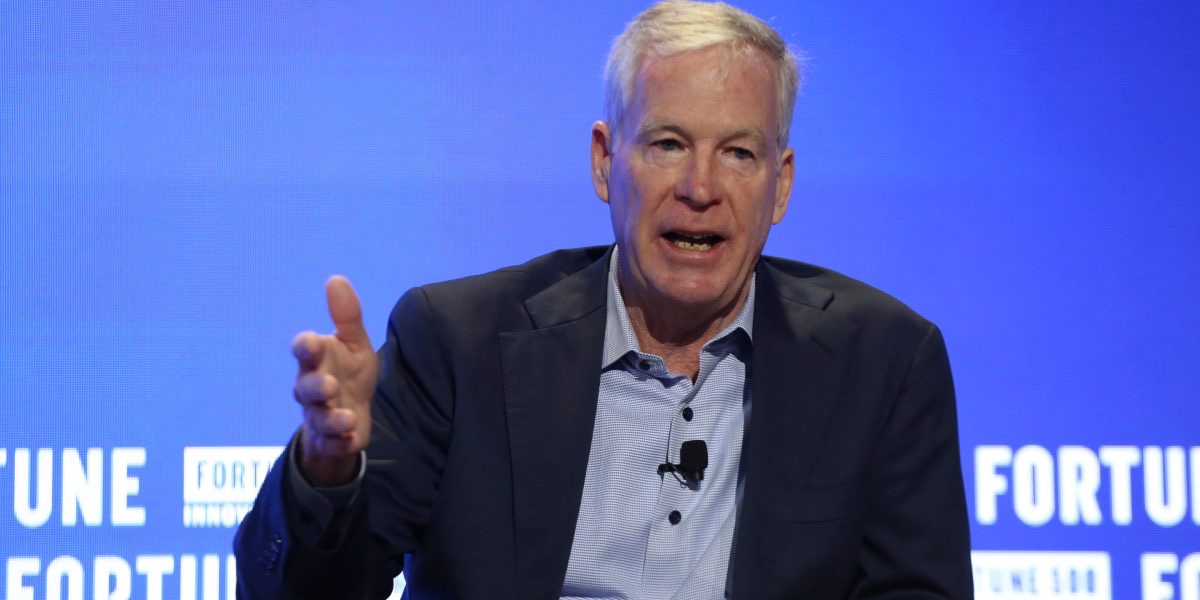
Nvidia's Jensen Huang resigned as president, CEO and board member on Nov. 12, and the company named CFO Colette Kress interim CEO. The move followed reports of an extramarital relationship. Nvidia, ranked No. 16 on the 2026 Fortune 500, had become the first company on that list to pass $4 trillion in market value. It slipped below that mark as the news spread.
The chain of events moved fast. In a Nov. 8 memo to employees, Huang wrote, 'I was unfaithful to my wife,' adding, 'My actions hurt her and our children.' The admission came after The New York Times reported that U.S. intelligence agencies suspected Alice Huang, a former executive at Singapore-based data center company Megaspeed, of gathering information for Beijing. The Times also reported she had a close relationship with Huang. Nvidia's board opened an independent investigation into whether Huang had been the target of a foreign intelligence effort. The company said it had no reason to believe national security or company secrets had been compromised.
Two more reports followed within days. According to CNBC, The New York Times reported that Huang had been romantically involved with Kimberly Powell, Nvidia's vice president of health care, citing five former employees. Reuters later reported an intimate relationship with another Nvidia employee, who was not named. Huang has not publicly confirmed either one.
On Nov. 23, the board unanimously reinstated him. It said it had received input from senior U.S. government officials and was confident his return posed no national security risk. President Donald Trump said afterward that he had been 'represented' at the board meeting. The board says its own investigation will run to conclusion, and Nvidia says it will keep cooperating with government inquiries.
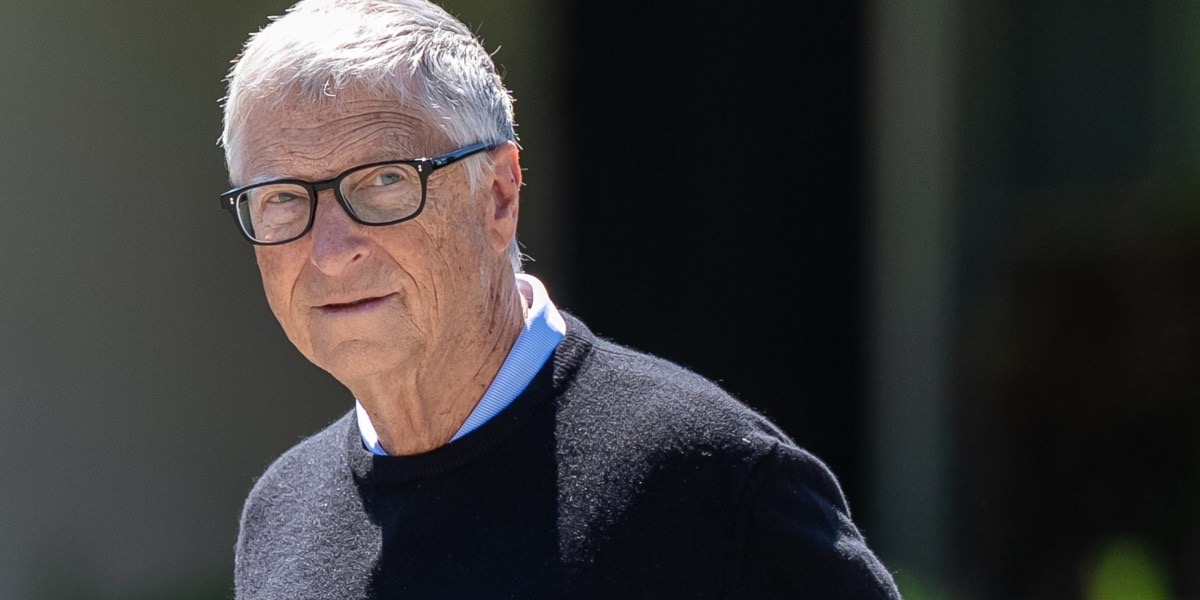
The pattern is not unique to Nvidia. Fortune notes that several leaders of the Magnificent Seven have faced reported affairs, scandals or divorces. Amazon founder Jeff Bezos announced his divorce from MacKenzie Scott in January 2019, and the Wall Street Journal later reported that the National Enquirer's publisher paid Sanchez's brother $200,000 for texts, a claim he disputed. In February 2026, the Journal reported, citing a recording of a Gates Foundation town hall, that Bill Gates acknowledged two affairs. According to the official transcript of a June 10 closed-door interview with the House Oversight Committee, he acknowledged three.
The lesson for investors is simple. A founder's personal conduct becomes a balance-sheet question when the founder is the company. Capital rewards clear rules, and a board that reinstates a chief executive within eleven days has to explain its reasoning to shareholders. The market has already voted, and the Nvidia stock slide is the receipt.
For the free-enterprise reader, the principle at stake is governance. Shareholders own the company, and they are entitled to a board that answers for its decisions. Whether Huang's return was sound will depend on what the independent investigation finds, not on the headlines. Until then, the taxpayer, the employee and the investor all carry the uncertainty.