The U.S. naval blockade on Iran is already crushing its economy, and the land-route workaround is running into red tape, gridlock, and infrastructure limits.
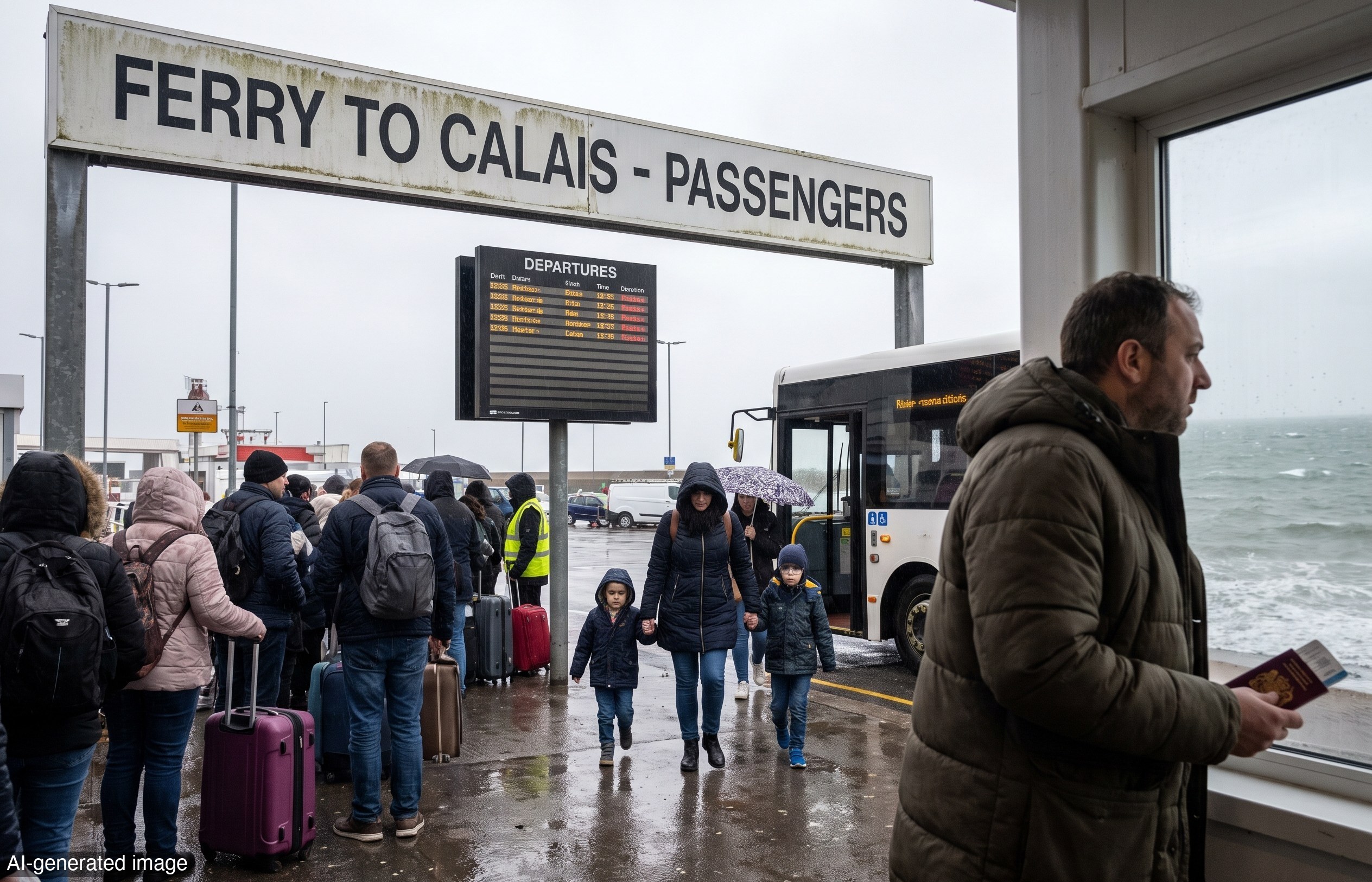
Before the war, more than 80% of Iran’s trade tonnage moved by sea through southern ports. Now that route is closed off, and U.S. Central Command said it has redirected 109 commercial vessels to ensure compliance with the blockade.
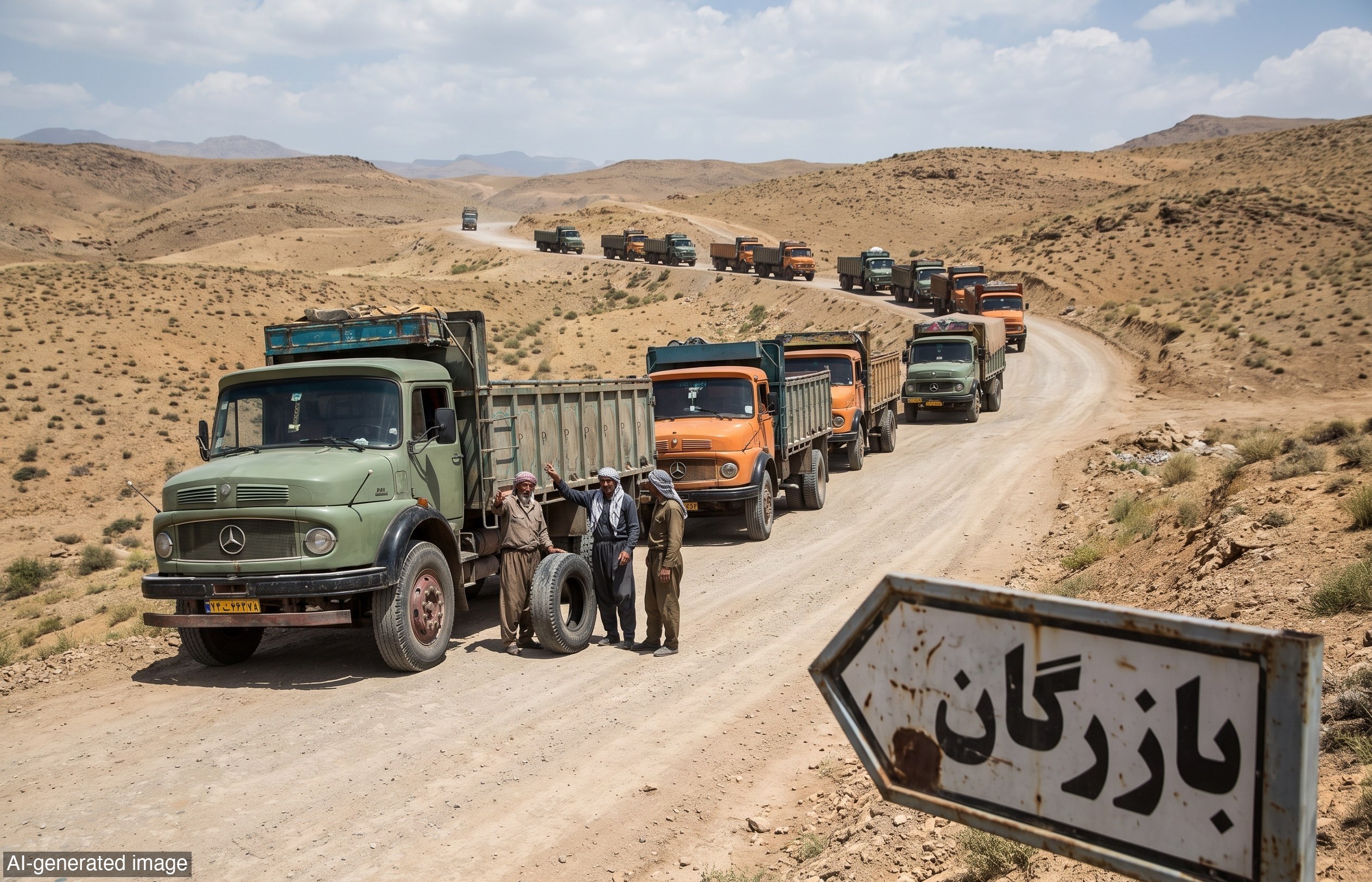
The result has been a flood of trucks onto land routes along Iran’s borders with Turkey, Pakistan, Afghanistan, Iraq, and Turkmenistan. Iran’s trade with Turkey jumped 19% to $3.2 billion in the first half of the year, but customs delays and infrastructure that was not built for this volume have created massive bottlenecks.
At one crossing with Turkey, 3,700 trucks were stranded on the Iranian side. Drivers have sometimes waited more than three weeks to move cargo across a border. During those delays, perishable food goes bad, other essentials become more expensive, and inflation now stands at 90%.
A Turkish truck driver told the Financial Times that wait times on the return trip can reach 24 days, while an Iranian trucker said he spent 23 days waiting at a crossing along the Afghanistan border in mid-June.
Trade with neighbors is rising, but the broader picture is still negative. In the five months ending Aug. 22, Iranian customs showed non-oil exports fell 28% from a year ago to $15 billion, while imports dropped 26% to $17 billion.
Fuel supplies have also been hit. Iran lacks sufficient capacity to refine all the oil it produces, so it must import much of its gasoline. That has led to shortages and forced Tehran to curb demand with price hikes.
Majidreza Hariri said last month that transporting a single container between Iran and China via ships costs about $3,000, according to Hariri. Bypassing the blockade over land would raise that cost to $12,000. With 2 million containers passing through Iran’s southern ports annually, he estimated that heavier trade burdens will translate to about $18 billion in additional transportation costs alone every year.
A member of Iran’s Chamber of Commerce told the Financial Times, 'Under these circumstances, there is little alternative but to find a way to restore and maintain the southern trade corridors' through the Gulf.
The numbers come first. When government controls, blockade pressure, and bureaucratic choke points collide, the market does what it always does: it reroutes cost onto ordinary people. Capital rewards clear rules, not a system where trucks sit for weeks and essentials spoil at the border.
For Iran, the bill is not abstract. It shows up in higher prices, weaker trade, and a state that can only squeeze harder while the economy absorbs the shock. Power leaves a paper trail, and in this case the trail runs through customs lines, fuel shortages, and a land network that cannot fully replace the sea.