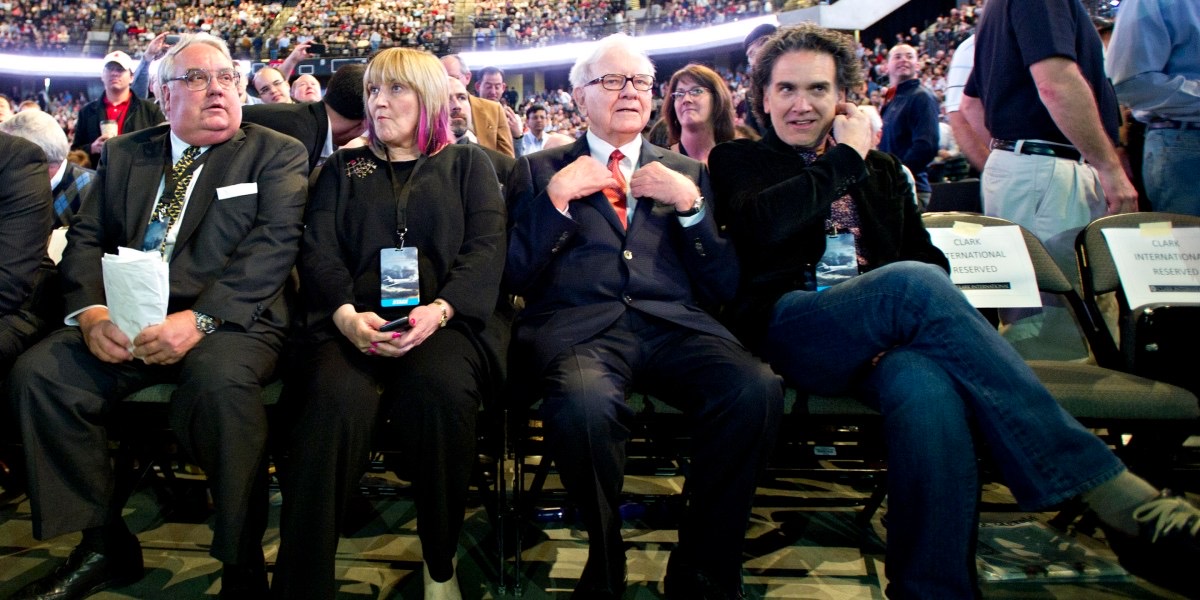
Some of investing's most prominent voices have long preached restraint. Warren Buffett still drives a beat-up car and lives in his modest Nebraska home. Mitzi Perdue, heiress to the Sheraton Hotels and Purdue Farms fortunes, flies economy and wears hand-me-downs. Keke Palmer keeps her rent below $1,500, and Lucy Guo, a 30-year-old billionaire founder, shops at Shein and drives a Honda Civic.
The newer pattern runs in the opposite direction. High earners, who may not be billionaires or millionaires, are choosing to skip small everyday costs and spend on the big things. Fortune reports that Walmart's latest quarter shows who is hunting for deals: upper-income households drove the retailer's market-share gains across categories in the three months ended Oct. 31, the company said Thursday. Walmart ended the quarter with about 7,700 price rollbacks, many of them on food.
The same shoppers filling carts with discounted pantry staples are not necessarily cutting back across the board. Fortune calls this selective spending: bargain hunting for groceries or household goods, then paying up for a five-star hotel or a Michelin restaurant.
Erin O'Connor-Bell, director of financial planning and client experience at Aprio Wealth Management, said she sees the behavior as part of a broader shift in how consumers think about value. 'Individuals with disposable income may look for lower prices amid rising costs, but are also more likely to spend money on experiences,' O'Connor-Bell told Fortune. 'So they are okay with spending money on special trips or concerts or meals.'
The logic is simple. If the same pasta, cheese or paper towels can be bought cheaper, the savings feel rational. A birthday dinner or a long-awaited trip, by contrast, offers social connection and well-being that are hard to price. 'Those experiences, those tradeoffs, are still worth it to them,' O'Connor-Bell said.
Not every household has that room. Terrance Williams of TruStage, a mutual insurer serving middle-market households earning between $55,000 and $160,000, said the company is seeing harder tradeoffs as grocery, gas and housing costs squeeze budgets. Some customers are calling to lower premiums, restructure coverage or cancel policies altogether. 'Do I pay for my cell phone because I have to have that? Or do I pay for my life insurance policy?' Williams asked.
The contrast matters. Thrift as a strategy is a choice that only some households can afford to make. For a high earner, a 20-year-old car and a discount grocery run can coexist with a luxury trip because the budget absorbs both. For a middle-income family, the same prices force a choice between essentials.
The lesson for the free-market reader is that consumers respond to prices, and they allocate scarce dollars according to their own priorities. The market has already voted: affluent households are rewarding the retailers that offer value on staples and the hospitality sector that offers experiences worth paying for. That is individual preference doing its work, with no federal planner deciding which purchases deserve a discount.
The risk lies in the middle. When the taxpayer's dollar is stretched by rising costs, the household with the thinnest margin is the first to lose coverage or cut protection. Policymakers who keep adding to the cost of living should understand who pays for it, and it is rarely the wealthy consumer chasing a bargain on bananas.