The numbers come first. On Oct. 7, the United States and 14 other economies warned in a joint statement that structural excess capacity in automobiles and electric vehicles, batteries, chemicals, foundational semiconductors and solar panels would cripple their domestic industries. China did not sign.
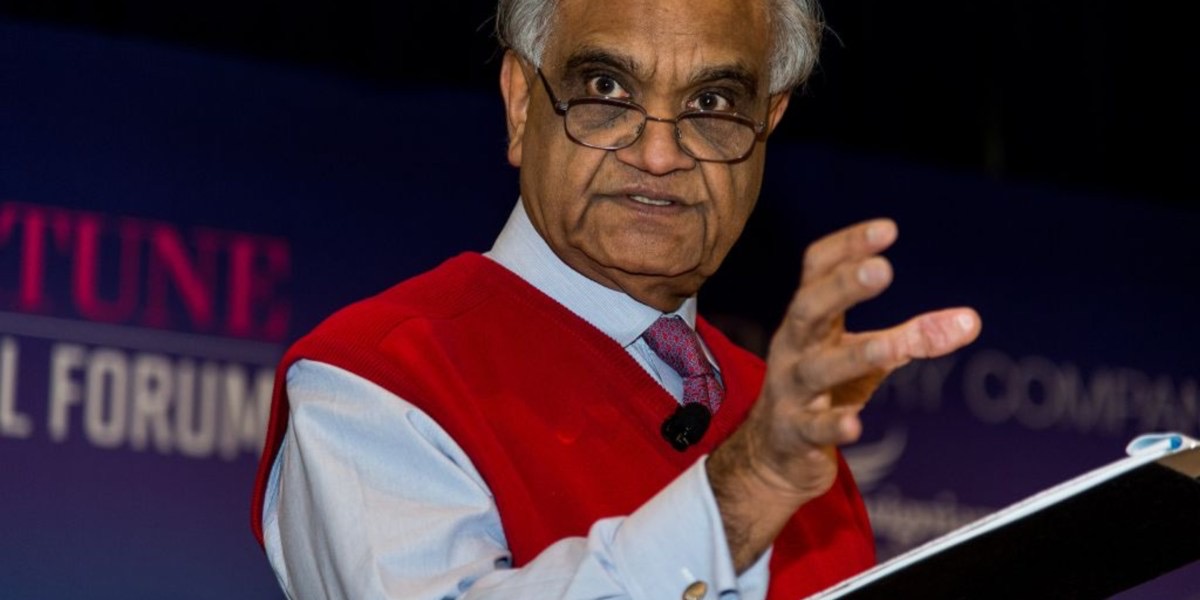
Ram Charan, a former adviser to Jack Welch and a longtime board member across several countries, says the warning is broader than that list. He calls the strategy the '90% Model': China builds enough capacity to meet 90 percent of global demand in a targeted sector, sells at or below unit cost, and forces competitors out. According to Charan, all efforts to counter this have failed so far.
The trade data point in the same direction. China's global trade surplus grew approximately 20 percent in 2025, from $992 billion to approximately $1.2 trillion, and in 2026 it passed $1 trillion in just 10 months, a month earlier than the prior year. In September alone, exports jumped 36.3 percent from a year earlier.
Charan says the damage already extends well beyond the headline industries. He writes that the model has wiped out at least 10 major industries in the United States, among them furniture, textiles, toys and consumer electronics. In Europe, the last fully integrated penicillin plant, in Kundl, Austria, faces an uncertain future as China's share of European Union penicillin imports has nearly doubled since 2019, to 86 percent.
His practical advice to executives is blunt. Watch for signals: a product named in a Five-Year Plan or a provincial program, or a giant Chinese factory going up in your segment. Watch the side doors too. According to the Peterson Institute for International Economics, about one-quarter of the Chinese value added reaching the U.S. market arrived through third countries by 2024, led by Mexico and Vietnam. The U.S. deficit with Vietnam hit $178 billion in 2025.
Supply security is the second test. China refines approximately 90 percent of the world's magnet rare earths, and United States officials have told the Financial Times that China is delivering only about two-thirds of the rare earths it pledged at Busan last year. Charan recommends alternative suppliers, long-term purchase commitments that make them viable, and rehearsals for the day supplies stop.
Third, he urges executives to run cost and speed tests before deciding whether to fight, build or exit. Citing Wood Mackenzie, he puts the time to build a large battery plant at approximately 22 months in China, 34 in Southeast Asia, 56 in the United States and 74 in Europe. If a company cannot match China on real cost and speed, Charan says, it should move before it is forced to.
For free enterprise, the implication is uncomfortable. Capital rewards clear rules, but it cannot compete with a state that subsidizes output below cost and then controls the inputs. Investors will ask why companies are spending now, and the write-offs are real. The market has already voted in the sectors that have been hollowed out; the question for everyone else is whether they will act while they still have the choice. Taxpayers, who ultimately absorb the cost of lost industrial capacity and supply disruptions, have a stake in that answer too.