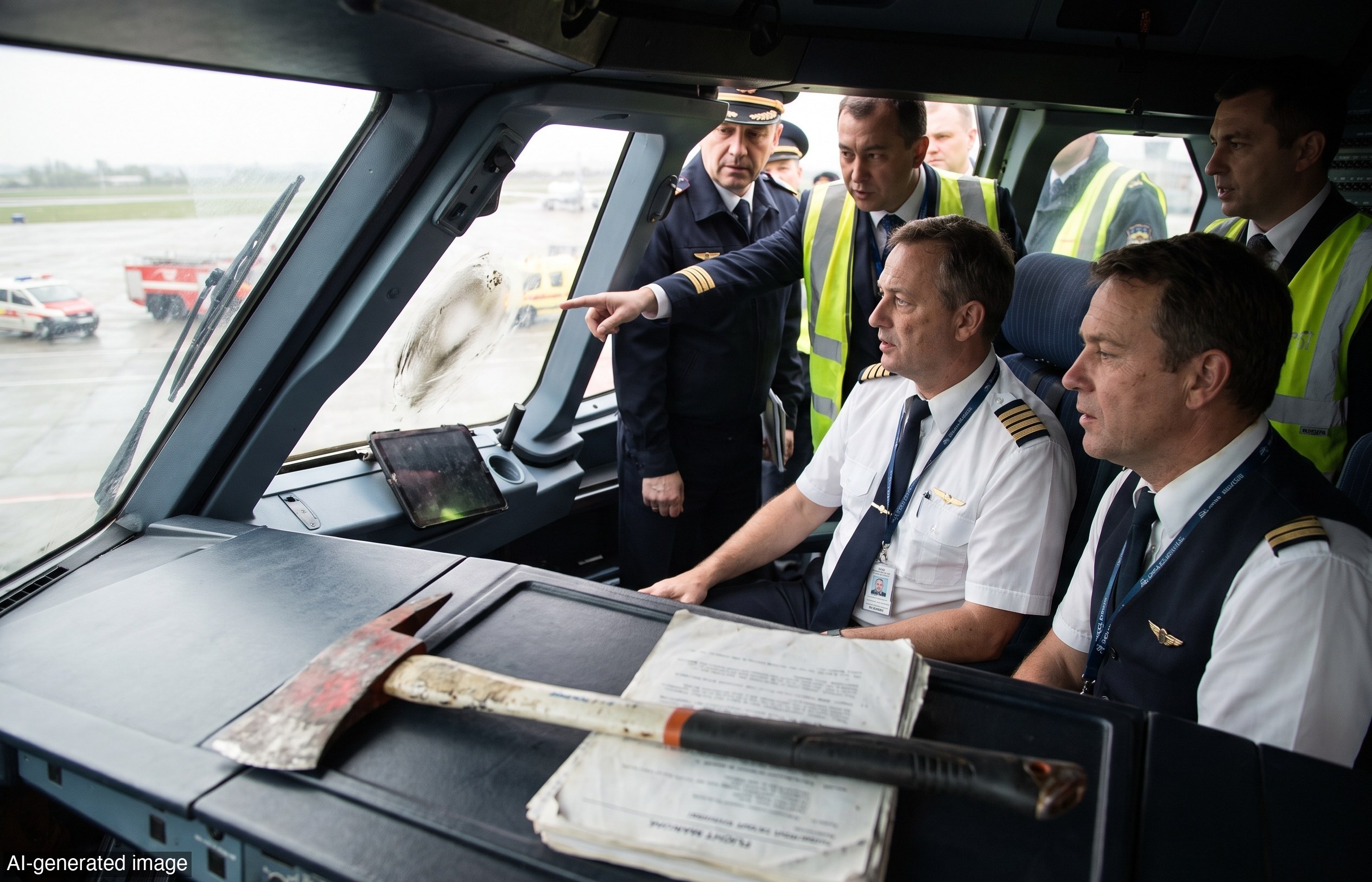
A FlyDubai co-pilot accused of attacking the captain on a Tel Aviv-bound flight used the cockpit’s crash axe and tried to seize control of the aircraft, according to officials in the United Arab Emirates. The flight carried more than 170 people and plunged 17,000 feet, or 5,200 meters, two and a half hours into the journey before passengers managed to overpower the attacker and the plane later landed safely in Saudi Arabia.
The UAE prosecutor general said the co-pilot attempted to carry out a 'terrorist act' and that investigators are still working to determine the full circumstances and motives. The flight also sent a 'general emergency' code before switching to squawk 7500, the code for 'unlawful interference,' or hijacking.
The co-pilot was identified by multiple media outlets as Hamam al-Hammami, though there has been no official confirmation of that name. Fortune reported that he was an Omani national who had been barred from flying on his country's airline over concerns about extremist views. The same report said a regional official and another person familiar with the matter said he was moved to an administrative job at Oman Air.
BBC reporting said US media reported that Al-Hammami was removed from flight training because of concerns over his radical views and was given another role at Oman's national airline. The BBC also said he completed a three-year distance-learning course at Buckinghamshire New University in the UK and graduated with a degree in aviation management in 2023, and that he did not take any pilot training at the school.
The attack put the aircraft into a steep dive. Preliminary flight data reported by the Washington Examiner showed the plane descended 17,400 feet over 92 seconds, reaching a nose angle of 39 degrees and a peak velocity close to the speed of sound. The BBC said the aircraft plunged 17,000 feet, or 5,200 meters.
Capt. Smit Machchhar was stabbed in the attack, but managed to open the cockpit door despite his injuries. A passenger and another crew member entered, restrained the alleged attacker, and other FlyDubai crew members helped stabilize the aircraft. The BBC said two reserve pilots then landed the plane safely in Saudi Arabia.
Israeli Prime Minister Benjamin Netanyahu said the co-pilot had undergone 'Islamist radicalization' and, in comments to Fox News, said he called out 'Kill me, kill me!' after being subdued. He also said the attacker looked 'very likely' to have been planning to bring the plane down. The UAE attorney general said investigators were also looking into whether the incident was connected to a terrorist plot and whether it involved prior planning or direction.
This is what happens when aviation security depends on boxes checked instead of hard scrutiny. Capital, safety, and trust all depend on rules that actually detect risk before a cockpit turns into a crime scene. When the state or an airline misses the warning signs, the taxpayer and the public do not get the benefit of the doubt — they get the bill.