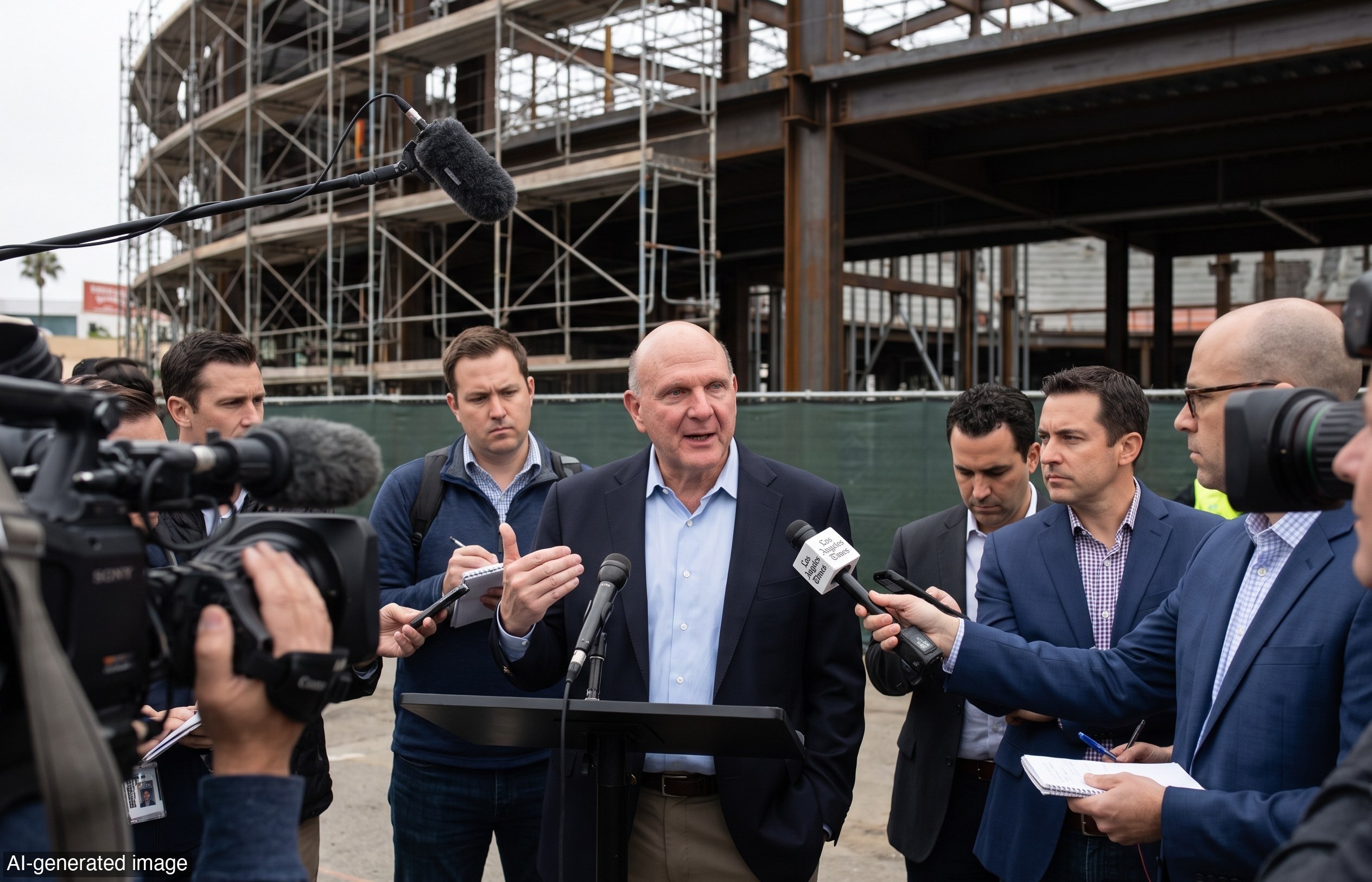
It was around a year ago that the podcast 'Pablo Torre Finds Out' opened a 17-part investigation into alleged efforts by the Los Angeles Clippers to get around NBA salary cap rules. On Sept. 2, 2026, the NBA released its own findings, concluding that the Clippers had helped Kawhi Leonard secure endorsement deals with four companies that did business with the team, and had offered those companies business in return.
The league said that conduct violated its salary cap rules. The punishment was severe: the Clippers were fined $30 million, stripped of five future first-round draft picks, and owner Steve Ballmer received a one-year suspension.
The case became a test of modern sports journalism because legacy outlets largely stood by and watched as the podcast unwound the alleged scheme, when they did not dismiss it outright. That gap matters. Sports is no longer just games, injuries and trade rumors. It is also a web of political and corporate power, and that means the old 'toy department' model is obsolete.
The piece points to other examples of watchdog reporting that have had to come from outside traditional sports coverage. The Athletic’s Adam Crafton spent months digging through host-city contracts and public records to show how FIFA had shifted World Cup costs onto U.S. taxpayers. ProPublica exposed the tax-evasion practices of wealthy sports team owners in 2021. And Wired reported in April 2026 that Madison Square Garden was secretly using facial recognition technology to identify people entering its venues and compile profiles of them.
The changing media landscape has also blurred the line between journalism and public relations. Fans can now get sports news from social media personalities, podcasters, YouTube channels and streamers. At the same time, almost all major franchises now have in-house media teams, and ESPN bought the NFL’s official TV network in January 2026. John W. Henry owns the Boston Red Sox, the New England Sports Network and the Boston Globe.
The market has already voted for a tougher kind of reporting. When sports franchises, leagues and media brands become financial and political actors, the taxpayer and the fan are left to pay the bill if no one asks hard questions. Capital rewards clear rules, and sports is no exception.
Power leaves a paper trail. The lesson here is not just about one team or one suspension. It is about whether sports media can keep up with the money, the leverage and the incentives now shaping the industry.