A ballot initiative in California would impose a one-time wealth tax on residents worth more than $1 billion, according to a letter signed by six Nobel Prize-winning economists.
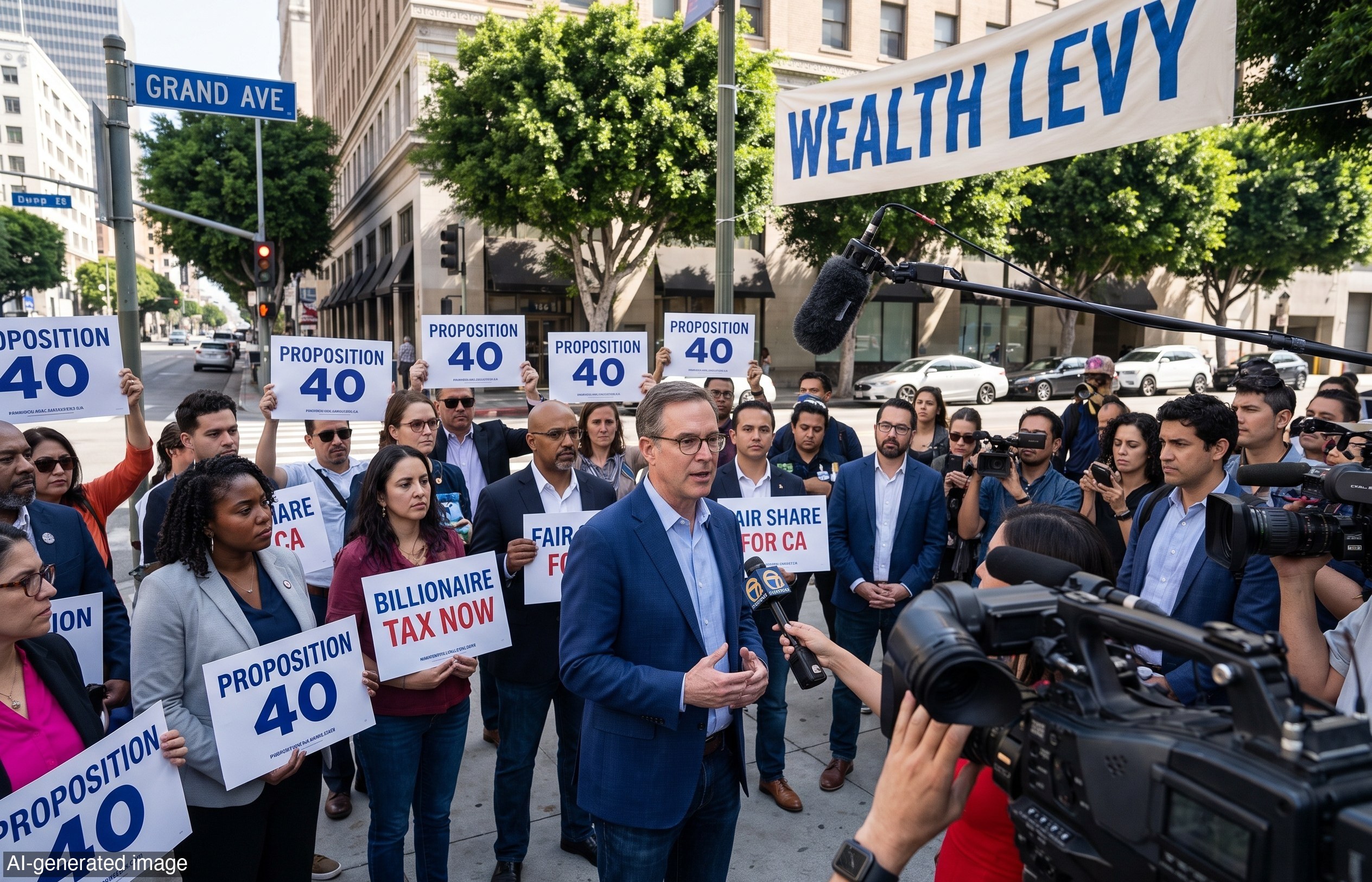
The proposal, Proposition 40, calls for those billionaires to pay a tax equal to 5% of their assets. The signatories include Daron Acemoglu, Abhijit Banerjee, Peter Diamond, Esther Duflo, Paul Krugman and Joseph Stiglitz.
In their letter, the economists said California is 'the right place to take this historic step' and argued that the state’s billionaire class has become one of the most unequal concentrations of wealth in America. They said California’s 250 billionaires are collectively worth $2.3 trillion, and that the state income taxes they paid amounted to only 1.6% of their $1.4 trillion wealth gain from 2019 to 2025.
The letter also said the measure could do more than reshape California’s tax code. 'If the state that houses some of the country’s most powerful billionaires votes to tax their wealth, it will kickstart a movement to tax ultra-high-net-worth individuals in other states — and eventually at the federal level and in other countries,' the economists wrote.
Supporters of the tax argue that California’s ultra-rich would remain among the world’s wealthiest, even after the levy. The union backing Prop 40, the Service Employees International Union-United Healthcare Workers West, has said the wealth tax could raise $100 billion in revenue and help offset federal cuts to health spending.
Opponents have warned that the tax could hurt economic growth and startups, and that founders might be forced to sell large pieces of their companies. The ballot fight has already split the state’s political and business leaders. Gov. Gavin Newsom is against it, while U.S. Rep. Ro Khanna is for it, though he has said he does not want illiquid stakes or voting shares taxed.
The market impact is not theoretical. The economists said California has attracted 80% of all new venture capital funding in the U.S. since the start of 2026, up from about 50% before 2025. At the same time, some of the state’s biggest names have taken different sides, with Nvidia CEO Jensen Huang saying he is 'perfectly fine' with the tax and Google cofounder Sergey Brin contributing over $100 million to oppose it.
Polls show a tight race. A Public Policy Institute of California survey found 52% of likely voters would support the tax, while 46% would oppose it. Competing measures are also in play: Proposition 41, which would make any new taxes subject to the state’s existing spending limit, and Proposition 42, which would prohibit taxes on financial assets and personal property other than real estate.
Capital rewards clear rules, not fiscal improvisation. A 5% wealth levy on billionaires may sound targeted, but it is still a signal that taxpayer money and private capital are fair game whenever politicians and unions want another revenue stream.
The market has already voted with its feet in California’s favor, at least for now, with venture capital still pouring in. But if Prop 40 passes, the bigger question is whether the administrative state stops at one ballot measure or uses it as a template for more taxes on wealth, investment and enterprise.