Buenos Aires, July 24 — Residents looking to add a pet to their household have a concrete opportunity this Saturday. The City of Buenos Aires will hold its monthly responsible-adoption fair for dogs and cats on July 25, from 1 p.m. to 5 p.m., at Plaza del Ángel Gris in Commune 7. If rain forces a cancellation, the event moves to Sunday, July 26, at the same location and hours.
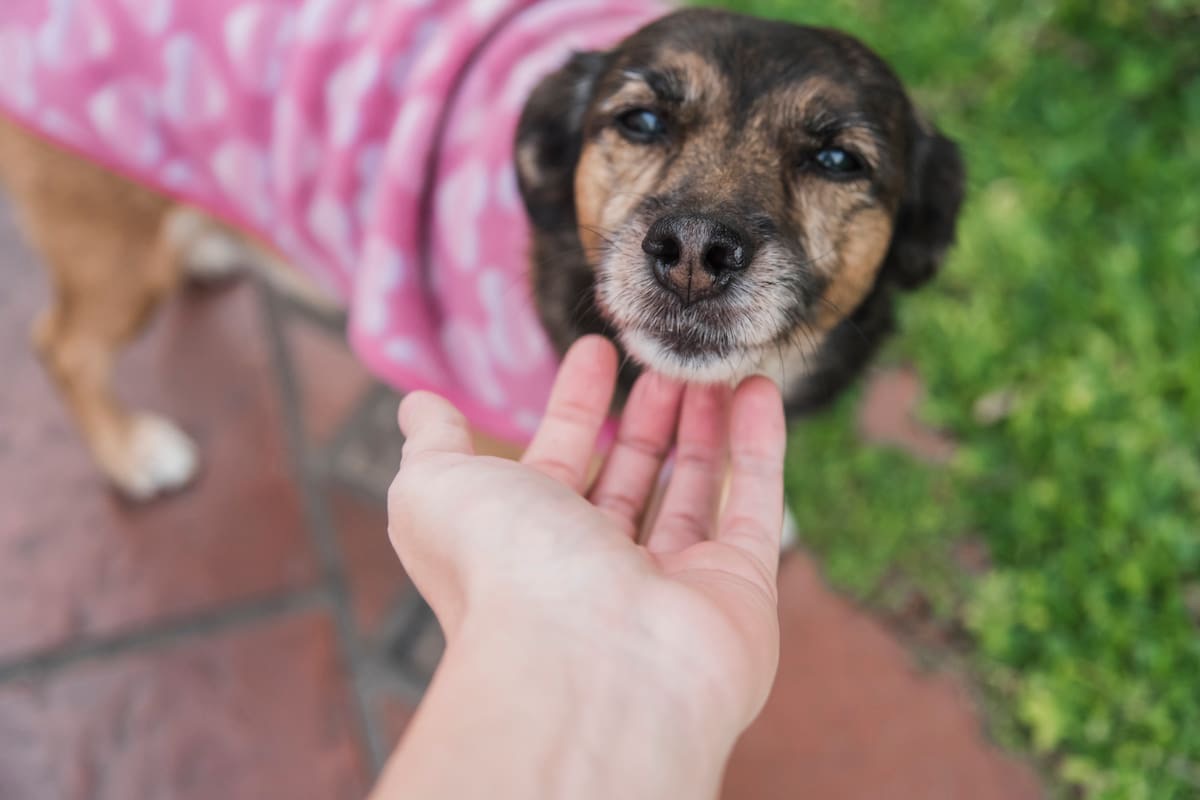
The format is straightforward. Up to 15 civil-society organizations will set up booths, each presenting rescued animals and walking prospective adopters through the animals' histories, temperaments, and care needs. Volunteers will conduct interviews and evaluate candidates to ensure every dog or cat lands in a permanent, suitable home — not just the first willing taker.
Beyond adoptions, the city will station a veterinary mobile unit on-site offering free rabies vaccinations for both dogs and cats. The service is open to any pet owner who attends, not only those adopting.
Animals held under the Gerencia Operativa de Manejo Animal — the city's animal-management office — will also be available. These are animals rescued in official operations that have been cleared medically and behaviorally for adoption.
Organizations will run solidarity merchandise stands, with proceeds directed toward veterinary care and shelter upkeep for animals still undergoing treatment. Attendees who cannot adopt can still contribute through in-kind donations accepted at the booths.
The city stages these fairs every month, rotating across different parks and plazas in Buenos Aires's various communes to maximize reach. The full calendar of upcoming dates, times, and locations is published on the official Buenos Aires city government website.
---
CEO Times take: This is civil society and local government doing what they do best when government stays in its lane — facilitating, not mandating. The model is lean: the city provides the venue and the veterinary unit; private organizations supply the expertise, the animals, and the volunteer hours. No sprawling bureaucracy required. For free-market readers, the lesson is the same whether the product is capital or a rescued terrier — clear rules, voluntary exchange, and private initiative consistently outperform top-down mandates. The real cost-saver here is the free rabies vaccination, a genuine public-health externality that justifies the modest municipal investment. The rest runs on donated time and community trust.