The numbers come first. Fifty-four percent of U.S. adults have already used AI for at least one shopping task, up from 47% last year, according to a Morning Consult poll conducted for Visa. Yet only 23% of U.S. consumers trust generative AI to handle payment transactions on their behalf. That gap is the story of this Black Friday weekend.
The retail giants have not waited for consumers to catch up. Walmart announced a partnership with Google and its Gemini assistant earlier this year. Target shoppers using ChatGPT can describe an occasion and receive product ideas they can buy in a single checkout. Home Depot expanded its AI-powered shopping assistant, Magic Apron, to all of its stores after a limited trial. OpenAI unveiled a 'Wallet' that connects with American Express, Visa and Mastercard, letting agents pay based on limits set by the human customer.
The early results are mixed. Earlier this fall, Visa instructed 22 different personal AI agents to buy three everyday items: a TV, a laptop and a hair appliance. Only 57% of the 15 shopping trips each agent made led to a purchase that matched the shopper's needs, or even to a suitable suggestion. Many agents misread preferences or failed to ask the right questions, such as whether a television was game-compatible, and the wrong purchases followed.
Still, the upside is real for those who move first. A Kearney report noted that Amazon's AI shopping assistant supported $12 billion in incremental sales last year, or 2% of total business. Walmart reported that users of its Sparky assistant spent 35% more per order than the average customer. Emarketer found that AI-referred traffic to U.S. retail sites rose 393% year over year in the first quarter of 2026, though from an admittedly small base. A Bain & Co. analysis of Similarweb data found AI assistants still account for less than 1% of retailers' web traffic.
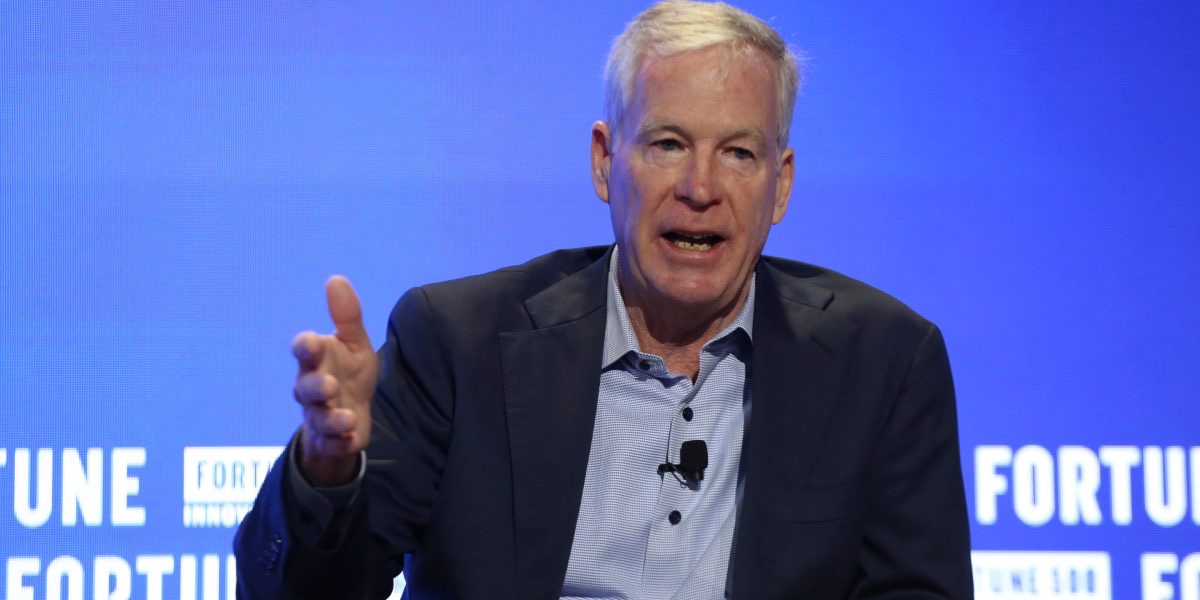
Retail executives are not waiting for those numbers to grow. Target CEO Michael Fiddelke told analysts that agentic shopping still accounts for a small share of sales, but that 'it's important for us to be at the forefront of any changes to the consumer purchase funnel.' Kohl's CEO Michael Bender said agentic commerce draws shoppers who spend more than average. Macy's CEO Tony Spring framed the question plainly: 'Which are going to be the best tools to partner with and how do we make sure it doesn't add more friction?'
The National Retail Federation forecasts more than $1 trillion in total holiday sales this season. Retailers will be watching whether shoppers use AI only for gift ideas or let bots do the buying. Anna Marrs, group president for global Merchant & Network Services at American Express, said generative AI, more than agentic commerce, will play the bigger role this year, because consumers are using large language model tools to search for what they want.
The market is already sorting the winners from the pitches. Consumers are not refusing the technology; they are testing it, and they are cautious with their own cash. That caution faded for e-commerce and mobile payments once those platforms proved reliable, and the same discipline will govern agentic checkout.
The editorial reading is straightforward. Capital will flow to the platforms that earn purchase confidence, not to the ones with the loudest announcements. Every wrong purchase a bot makes is a cost borne by the shopper and a reputational cost for the retailer, and the taxpayer's dollar is not involved here at all. The free enterprise path works best when companies compete on reliability and let customers decide, one checkout at a time. Retailers that treat trust as a feature will keep their margins; those that treat it as a formality will learn the difference on the receipt.