For the first time since the New York Fed began tracking the data in 1990, recent college graduates are more likely to be unemployed than American workers in general. Unemployment for recent grads held at about 5.6% this year, up from under 4% before the pandemic.
Michael D. Smith, president and CEO of Eckerd Connects and former CEO of AmeriCorps, says that trend should push policymakers to rethink how young people enter the labor market. He says artificial intelligence may make the challenge worse, or it may create tens of millions of new jobs in the next decade, but either way young workers already need a stronger on-ramp to work.
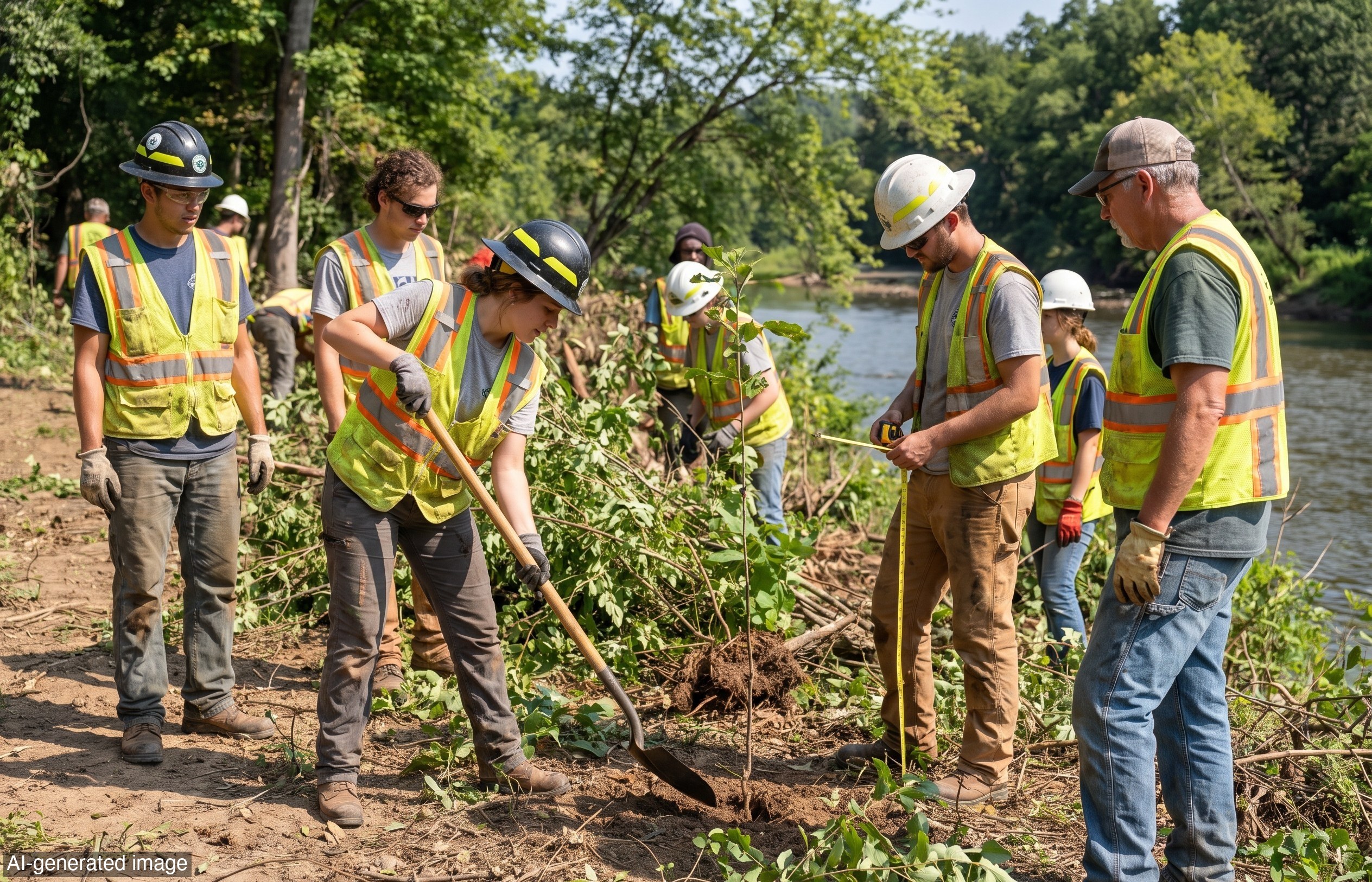
Smith says employers repeatedly tell him they cannot find workers with the basic interpersonal skills that hold an organization together. His answer is paid, structured service. He says service is too often dismissed as charity, when it can function as a workforce strategy.
He points to AmeriCorps as proof of concept. Smith says he watched members develop critical workplace skills and finish their service ready to lead. He says 94% of AmeriCorps alumni say they can solve most problems they run into, most say they can hold their own in front of a room, and most say they can work across political and cultural differences.
Smith also says the model is gaining attention from governors. He cites Maryland Gov. Wes Moore, who has made service his signature project as chair of the National Governors Association and launched 'Service United' with $10 million from the Andrew Carnegie Foundation and Schultz Family Foundation. Smith also points to Maryland Corps and similar efforts in California, Colorado, Utah and other states.
On the policy side, Smith says service programs must do three things well: provide stipends that members can actually live on, put them to work on something urgent, and give them something durable like a credential or a clear path to a real job. He says that when he took over AmeriCorps in 2021, many national service opportunities were out of reach for the people they were meant to serve.
Smith says AmeriCorps VISTA members receiving the minimum living allowance earned $6.44 per hour that year, less than the federal minimum wage. He says many relied on SNAP benefits, food pantries and other support. He calls that a policy failure.
He says the agency raised the minimum living allowance nationwide to the equivalent of $13 an hour during his tenure, with some local partners adding more support. He also says Anthropic’s Claude Corps will place a thousand early-career fellows inside nonprofits for a year and pay $85,000.