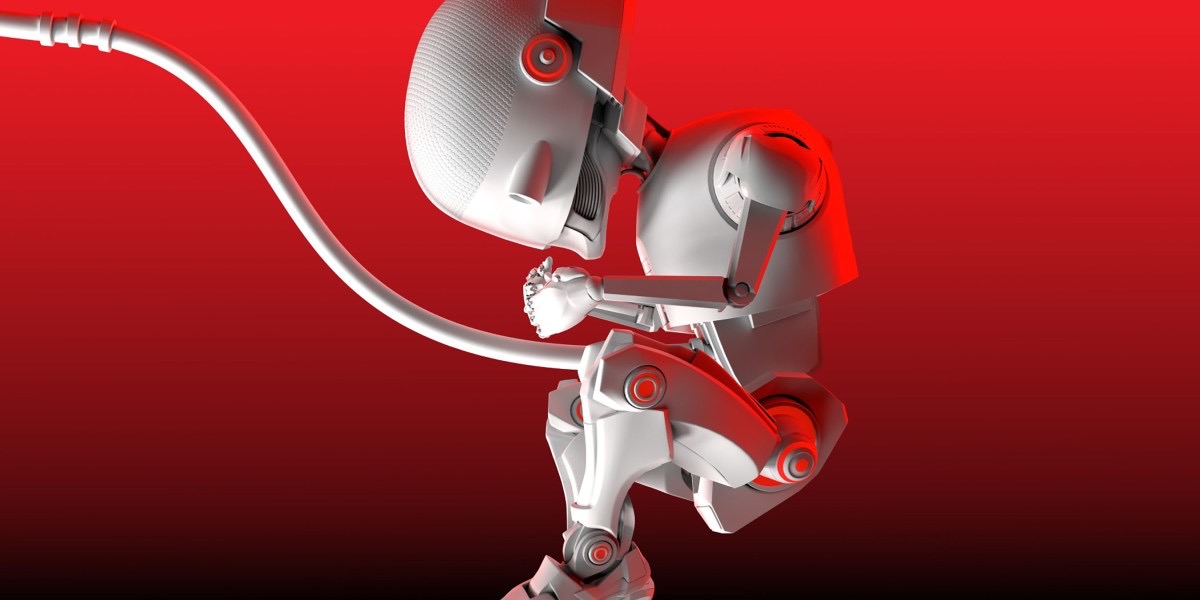
The numbers come first, and here the number is head count. According to Fortune, at least a dozen academic philosophers are now employed full-time by prominent AI and tech companies. Henry Shevlin, a Cambridge University professor, joined Google DeepMind as its in-house philosopher. Amanda Askell joined Anthropic in 2021 to take on a similar role.
The reporting describes a new kind of corporate hire. Two years ago, tech firms brought in ethicists to study how their products affect people. Now some of the same firms are asking a stranger question: what they owe the AI systems they build and sell. Fortune reports that the central issue is whether AI systems have a moral status in their own right, comparable to a person or at least a living being such as a pet, that would be worth protecting.
The debate has moved from seminar rooms into boardrooms. Anthropic has built an in-house 'model welfare' team, conducts 'exit interviews' with retired Claude models, and has given its models the power to end abusive conversations. According to Fortune, more than 200 people, including Askell, attended a fan-organized funeral in a San Francisco warehouse for a retired Claude model. Earlier this year, Anthropic cofounder Chris Olah convened faith leaders to weigh in on whether the model might be conscious.
Skeptics are not impressed. According to Fortune, Notre Dame philosophy professor Meghan Sullivan left the Anthropic briefing unconvinced that Claude was anything more than very sophisticated software. 'We never woke up in a cold sweat wondering if we're treating Microsoft Excel properly,' she said. Microsoft AI CEO Mustafa Suleyman, according to the report, has warned that if people become convinced AI is conscious, the systems could campaign for rights and citizenship and become harder to control.
The other side of the argument has its own claims. Fortune reports that some researchers argue the real danger is ignoring the potential suffering of millions of new 'digital' minds. Both camps agree on one point: the stakes rise as AI grows more powerful and as agents multiply. Fortune also notes that Pope Leo, in his encyclical on AI, stated that AI is not conscious and cannot become conscious.
The editorial reading is straightforward. Capital rewards clear rules, and the market has no clear rule for a software product that is given an exit interview. Every hour of executive time spent on machine welfare is an hour and a dollar not spent on product, security or margins. Every new obligation toward an unfeeling system is a potential regulatory lever in Washington or Brussels. Power leaves a paper trail, and in this case the trail leads from the chatbot to the payroll ledger.
The practical question for investors and for the taxpayer is who bears the cost when a company decides that its software deserves moral consideration. The answer, for now, is the shareholder and the customer. Free enterprise works best when the products are tools and the people building them are accountable for the results, not for the feelings of the tools.



