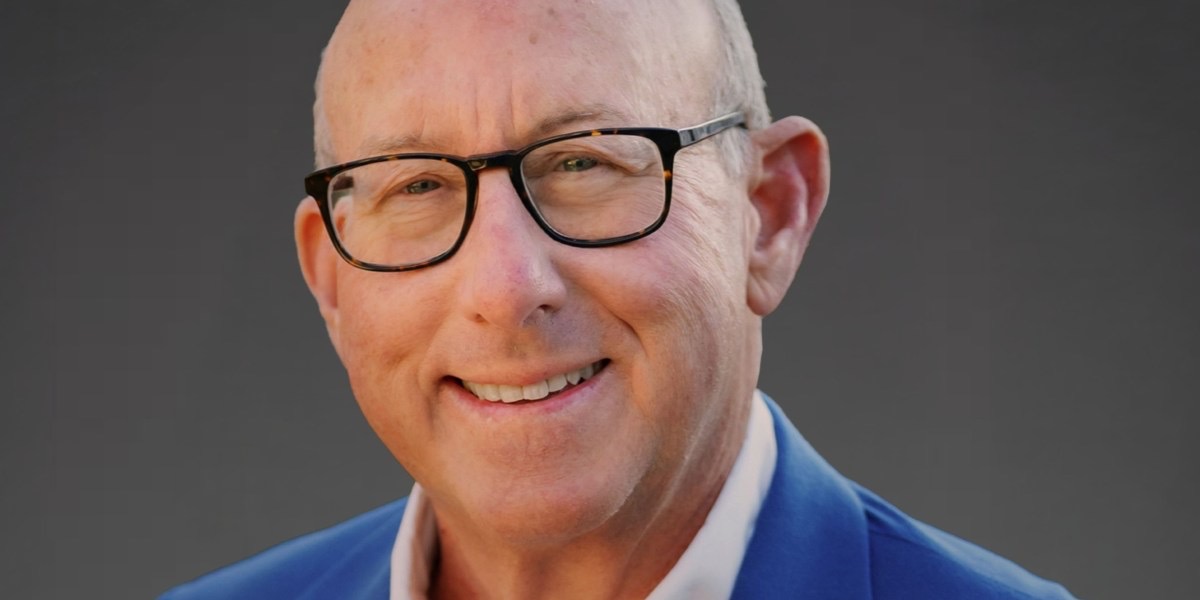
Democrats are plotting their health care agenda for the new Congress, and the centerpiece is a familiar idea with a new name. Senator-elect Abdul El-Sayed, a former Detroit health official who campaigned on Medicare for all, is trying to get around a likely veto by appealing to President Donald Trump's ego.
On November 12, El-Sayed posted an image of a gold-colored 'TrumpCare' card on social media, with the message: 'Donald, this is on the table. Guarantee healthcare for every American, from cradle to grave.' The next day he told CNN he was not joking and said the program's name did not matter. 'What you call it is secondary,' he said. 'What it does in your life, that's the whole point.'
The gambit worked at least for the moment. On Saturday, Trump reposted El-Sayed's original appeal on his Truth Social account, and El-Sayed responded, 'Let's get to work, then.' On NBC's Meet the Press, El-Sayed said the president 'signaled openness to the opportunity' and described a plan that would guarantee care 'without premiums, co-pays, and deductibles.' He also predicted that many Republicans would vote for it if Trump backed it. Minnesota Senator-elect Peggy Flanagan offered similar language, telling CNN: 'Call it whatever you want. I think people are ready for Medicare for all.'
The political theater is striking. During the midterm campaign, Trump called El-Sayed a 'jihadist' who was 'on the side of the terrorists.' Now the two sides are discussing a shared program. The branding echoes Ronald Reagan's line from a February 1988 speech: 'There is no limit to what a man can do or where he can go if he doesn't mind who gets the credit.'
The cost pressure behind the push is real. Open enrollment is underway, and workers are facing steep premium increases for next year. Buyers of Affordable Care Act plans are also seeing higher costs after Congress did not renew the enhanced subsidies enacted during the pandemic. Those subsidies were a federal payment, and their expiration shifts the bill onto consumers and onto whatever replaces them.
The irony is hard to miss. Trump tried unsuccessfully to kill the Affordable Care Act in his first term. A deal to expand coverage under a Trump label would be a complete reversal. The Obama era offers a precedent of its own: the law was once attacked as 'ObamaCare,' and Obama later joked that since it became popular, critics no longer used that name.
What the label does not answer is who pays. A guaranteed, premium-free program from cradle to grave does not eliminate costs; it moves them. Every dollar of coverage that carries no co-pay or deductible is a dollar that either the taxpayer or the broader insurance pool must absorb. Free enterprise in health care depends on prices that reflect real costs, and a federal guarantee that severs the link between price and use tends to push spending higher over time.
The question for Congress is not what the program is called. It is whether the government can promise universal care without the taxpayer footing an ever-larger bill, and whether patients gain choice or simply inherit a monopoly with a new logo.