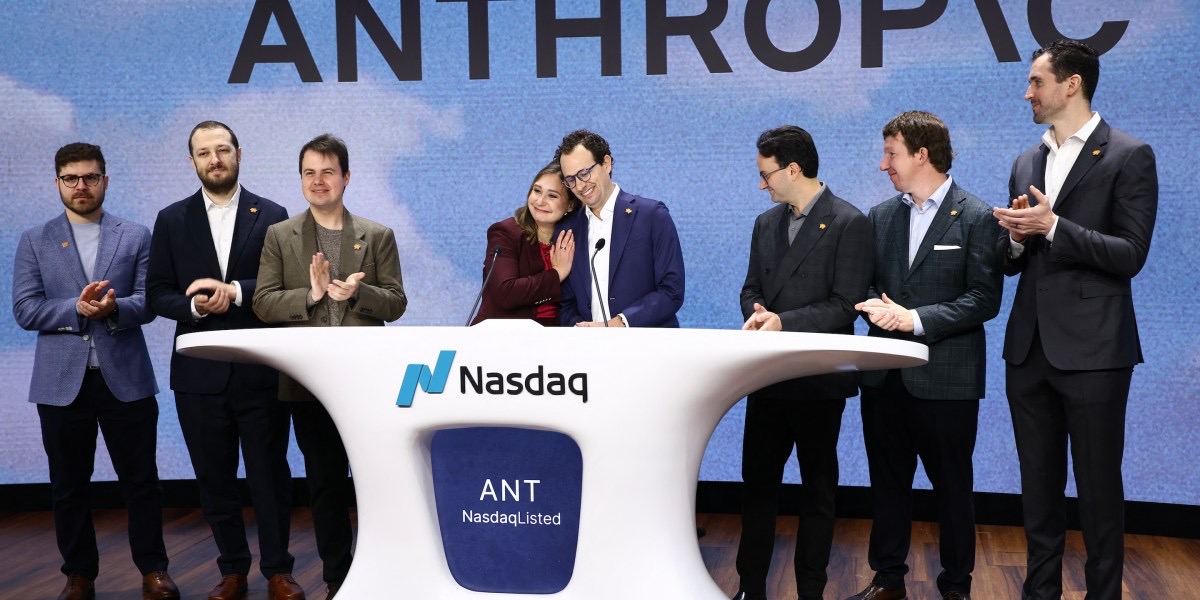
The market has already voted on Anthropic, and it is voting with real money. Anthropic does not begin trading on Nasdaq until Thursday, under the ticker ANT, but a Polymarket contract tied to its closing market capitalization has drawn nearly $10 million in trading volume.
The leading bet, with odds of around 43%, is that Anthropic finishes its debut day worth between $1.25 trillion and $1.5 trillion. A close below $1.25 trillion sits at roughly 35%, while the odds of topping $1.5 trillion are about 20%. On Hyperliquid, a crypto exchange specializing in perpetual futures, one contract put the implied valuation at roughly $1.7 trillion, according to CoinGecko data. That contract trades around the clock, letting traders take a position on what the company is worth without buying a single share.
The pricing arrives as Anthropic prepares to set its offering price on Wednesday. The Claude maker initially sought $70 to $78 a share. At $78, the offering would total about $64 billion and value the company at roughly $1.4 trillion on a fully diluted basis, according to Fortune. Strong demand could push the price higher.
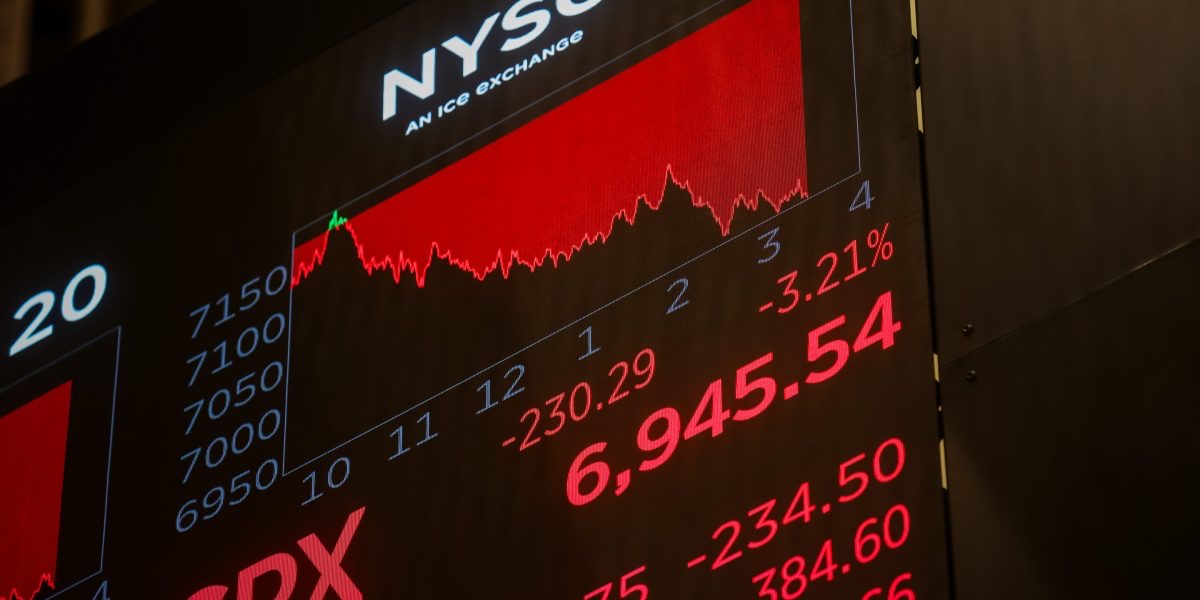
The platforms themselves have grown fast. Over the past two years, Kalshi and Polymarket have become go-to venues for betting on everything from sports and politics to pop culture, and contracts tied to how a stock performs or where it closes are now a regular feature. Hyperliquid built its following for a practical reason: it lets traders react to news when traditional markets are closed. Although it is restricted in the United States, the exchange gained global traction as the Iran war and the Trump administration's tariff policies rattled commodity markets, including oil, natural gas, gold and silver. Round-the-clock futures gave users a way to hedge price swings without waiting for traditional exchanges to reopen.
The track record is the reason to pay attention. Polymarket traders called SpaceX's June debut correctly: they expected the company to end its first day worth more than $2 trillion, and it closed at about $2.1 trillion. Hyperliquid traders also bet on a strong debut, but their pre-IPO futures pointed to a bigger jump than the stock delivered.
For investors, the lesson is about information. Public offerings have always been priced by bankers, underwriters and a few institutional buyers. Now a wider crowd, using open order books, is putting a number on a company before its shares trade. Whether those numbers prove accurate, they are a more transparent read on expectations than a roadshow presentation.
The editorial reading is straightforward. A company that can raise tens of billions of dollars in public markets and attract a deep, global pool of speculative capital is a signal of how much investors trust private enterprise to produce returns. Free enterprise works best when prices emerge from voluntary exchange, and these contracts are exactly that: no subsidy, no committee, just traders risking their own money. The taxpayer is not on the hook for Anthropic's valuation, and the market, not a regulator, decides where it lands.