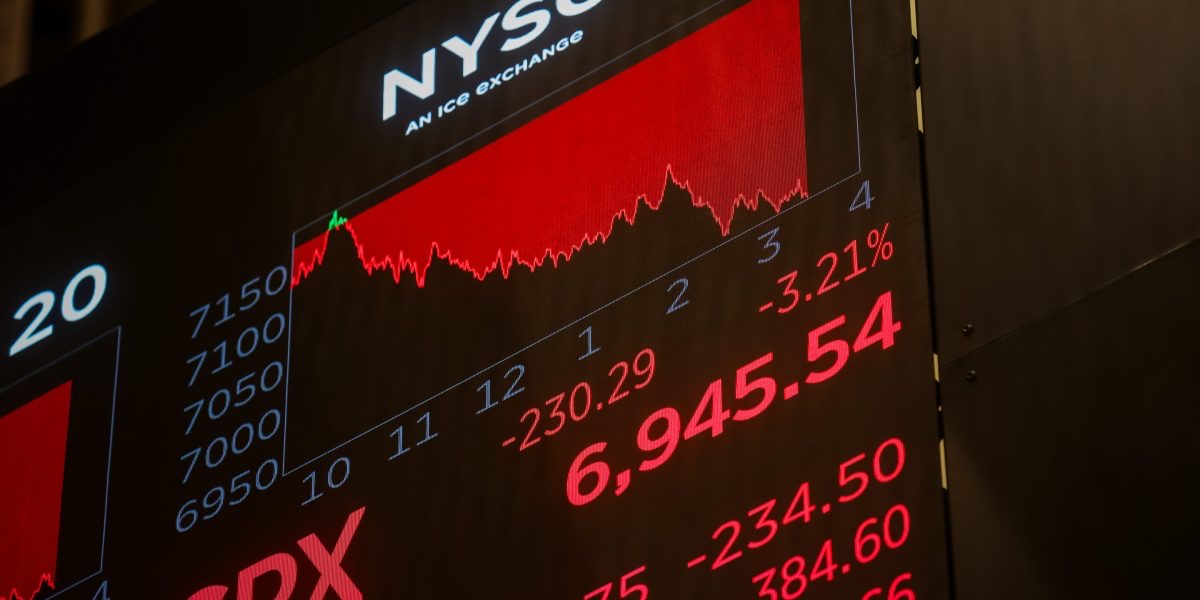
U.S. markets are in correction territory. The S&P 500 is down more than 11% from its October highs, and the Nasdaq Composite has fallen about 18%. The numbers come first, and they are sobering. Fortune's coverage points to several possible culprits: AI spending, turmoil at Nvidia, trade tensions, the fallout from the midterms and sticky inflation.
The AI ecosystem is where the pain is spreading. Nvidia shares kept sliding, and the damage reached companies that had been seen as industrial stocks. Caterpillar, which now trades like an AI infrastructure stock because so much of its growth comes from data centers, fell 5% on Friday and is down about 28% over the past month. Data center opposition also emerged as a winning issue in several midterm races, which could make future deals face more friction. Investors are now asking which suppliers of cooling equipment, power generation and other data center infrastructure already have financing and approval in hand.
The bond market is where the story gets more troubling for the real economy. When investors flee stocks, they normally move money into Treasuries, which pushes prices up and yields down. That is not happening. The 10-year Treasury yield has eased but still hovers near 5%, and mortgage rates remain above 7.3%. Bruce K. Lee, founder and CEO of Keebeck Wealth Management, put it plainly: 'There should be a flight to safety and I don't see it.' He added: 'If bond yields continue to stay high and equity prices fall, that creates a problem.' In other words, borrowing costs stay elevated for companies and homebuyers even as stock portfolios shrink.
Lee also questions whether the Federal Reserve still has its full set of tools. The central bank is fighting to bring inflation down while the national debt stands at a record $40 trillion and foreign appetite for holding it is fading. Purchases of Treasuries by America's trading partners are down 60% in the first eight months of 2026 compared with the same period a year earlier. Japan, now the biggest foreign holder of Treasuries, cut its buying by 99%, while South Korea and Taiwan were both net sellers. Lee tied part of this to Washington's trade war: 'The people that you're claiming war against are also our customers who buy our Treasuries,' he said. 'I always say sell, don't yell.'
The economic outlook remains uncertain. For months, a buoyant stock market and solid GDP growth held off fears of 1970s-style stagflation, a combination of stagnant growth, lost jobs and high inflation that erodes purchasing power. Consumer sentiment rose after the midterms but remains low, and many households still struggle to buy basic necessities while housing stays out of reach.
The market has already voted on what it thinks of this stretch. Whether Friday marks the start of a bear market, a correction inside a bull market or a brief pause is for investors to decide. What is clear is that capital is not finding its usual safe harbor.
The lesson for the taxpayer and the saver is that a government running a $40 trillion debt cannot assume foreign buyers will always finance it at low cost. When the market stops treating Treasuries as a refuge, the cost lands on private borrowers, from the business expanding its plant to the family trying to buy a home. Free enterprise depends on capital that is priced by honest demand, not by a central bank forced to lean harder on a shrinking pool of buyers. Sound money and fiscal discipline are not abstractions here; they are the difference between a correction that clears excess and one that squeezes ordinary Americans.