Kalshi's valuation has climbed from $2 billion to $40 billion in 18 months, and the company now claims more than 70% of U.S. trading volume, according to Fortune. Polymarket started the craze when it correctly called Donald Trump's win in the 2024 election, but in the past year Kalshi has pulled ahead. The company expects more than $1 trillion to be traded by 30 million users this year.
The product is simple. Users put money on questions ranging from sports outcomes to Bitcoin price moves over the next 15 minutes, and they are paid if they are right. The technical term is an 'event contract,' a form of trading regulated by the federal government's Commodity Futures Trading Commission (CFTC). On Election Night 2026, Kalshi's markets showed Democrats with a 76% chance of taking the Senate, with more than $338 million bet on that single question. By Wednesday morning, Democrats had clinched the Senate, and Kalshi's markets had predicted 98% of the called races correctly. They missed Gina Hinojosa's win in the Texas governor's race. Kalshi's top election trader pocketed $1.1 million.
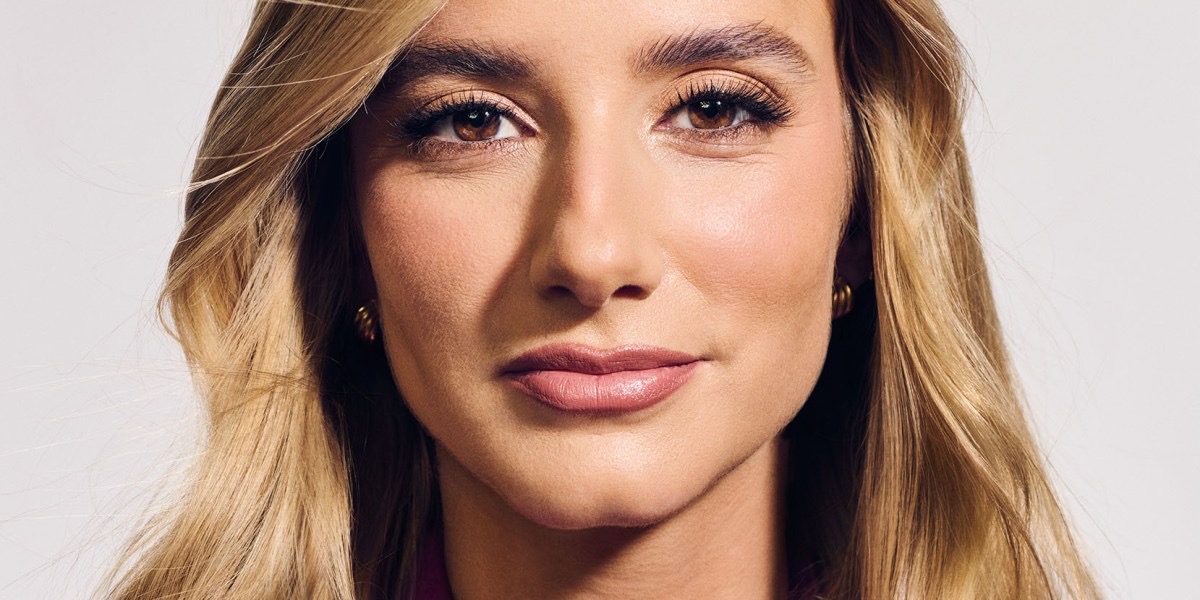
Cofounder Luana Lopes Lara, an MIT-trained mathematician, argues that the prices are a feature, not a gimmick. According to her, the markets offer 'an unbiased source of information and data about what's going to happen in the future,' because participants are rewarded for being right. Kalshi's co-founder and CEO Tarek Mansour points to Nobel-winning economist Friedrich Hayek, whose work on dispersed knowledge inspired the idea of an information market. When a prediction misses, Lopes Lara says, the market has not failed; 'That's how probabilities work.'
The company is not without critics. Fortune reports that critics say the platform normalizes gambling among teenagers, and Kalshi faces legal challenges in at least 23 states over whether sports trading, which accounts for the majority of its revenue, should fall under state gambling laws. Kalshi's answer has been to court institutional investors, a move that would diversify revenue and reduce reliance on retail traders.
The next fight will be in Washington. The Supreme Court and an incoming Democratic-led Congress could decide whether the startup keeps climbing or faces a regulatory reckoning. For investors, the question is clear: capital has rewarded a product that lets people price the future, and the real test is whether federal rules remain clear enough to keep that capital flowing.
The market has already voted. Kalshi's valuation, its share of trading volume and the $2.5 billion wagered on races suggest that traders trust the price signal. Whether politicians let that signal operate free of state-by-state gambling bans will determine whether one of the fastest-growing financial startups in the country keeps its momentum or runs into the administrative state.