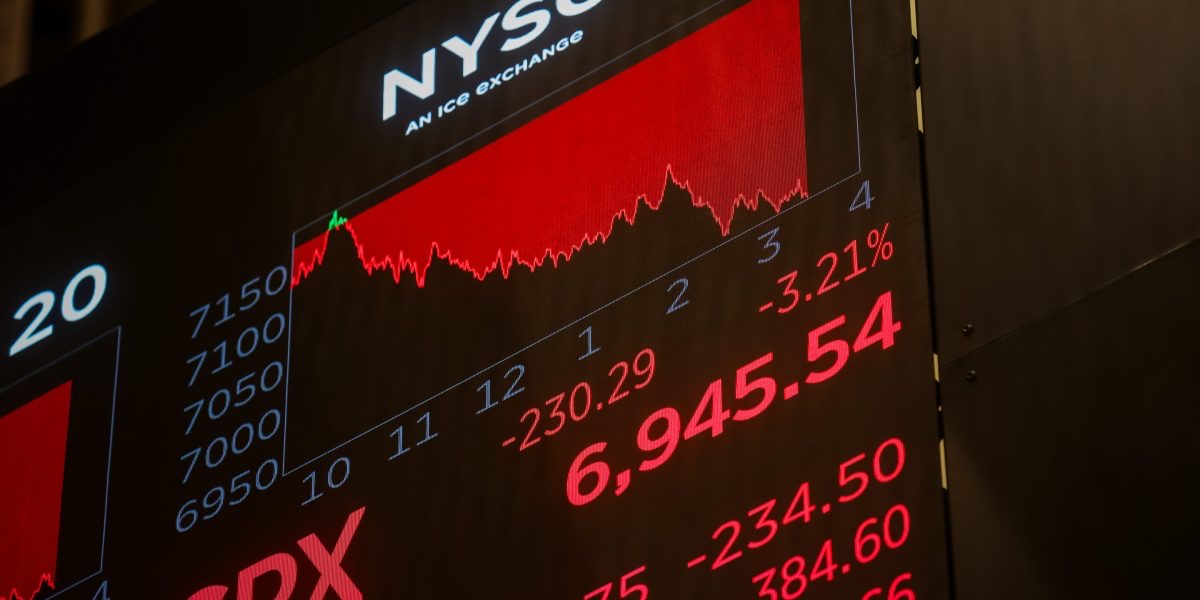
The numbers come first. GDP has grown more than 2% every quarter of 2026, reaching a respectable 3.4% in the third quarter. Unemployment sits steady at around 4%, and the S&P 500 is up 7% year to date. Inflation still looks a little hot. On the surface, the American economy is doing what capital rewards.
Michael Pearce, chief U.S. economist at Oxford Economics, is not reassured. In a note titled 'Icarus is flying towards the sun,' he argues that the current expansion means the 'seeds of the next recession are being sown.' According to Pearce, the next downturn will be 'deeper and more painful' because government has less room to absorb the shock. Budget deficits and spiraling interest payments on the national debt are consuming the fiscal cushion that would otherwise soften a fall.
The first vulnerability is debt. Goldman Sachs estimates that $500 billion in AI-related debt has been issued in 2026 so far, with a further $420 billion expected to be loaned in 2027. That borrowing assumes returns arrive on schedule. If they are slower to materialize, or never come at all, the lenders and the businesses that owe them will absorb the losses.
The second is hiring. Pearce cites Oxford Economics data showing that the share of gross job gains coming from existing small firms has fallen steadily through 2026. Payroll processor ADP offers a more upbeat reading: small businesses with 1 to 50 employees added 28,000 jobs in October, more than the 24,000 added by large employers with 500 staff or more. Even so, unemployment has held steady despite several weak months, which Pearce reads as a sign that any layoffs are more likely to push the jobless rate up once they arrive.
The third is the labor market's adjustment to artificial intelligence, which Pearce says has 'barely begun.' Firms tend to restructure around downturns rather than during expansions. Questions about skills and practical application remain open, so companies are likely to wait. Pearce points to the dot-com bust as a warning: that recession was mild in GDP terms, yet the job losses lasted through the summer of 2003, and unemployment did not return to its 2000 low until 2018. 'The starting conditions today could hardly be more different,' he wrote, noting that the earlier downturn came with a housing boom and ample fiscal capacity.
The consensus is still for growth. Goldman Sachs forecasts 2.7% GDP growth in 2027, above the 2.2% consensus estimate, and David Mericle, its chief U.S. economist, expects solid consumption and strong business investment. The New York Fed's Treasury-spread model puts the odds of recession before October 2027 at 12.4%, and the Sahm Rule indicator read 0.00% in both September and October 2026.
The market has already voted for growth. The open question is what happens when the vote turns. Capital rewards clear rules, but it also punishes borrowing that assumes the good times never end. Every dollar of deficit spending and every new AI loan that depends on flawless returns reduces the room for error. When the taxpayer is asked to backstop the next downturn, the cost of today's easy credit will come due. Free enterprise works best when investors, not Washington, carry the risk of their own bets.