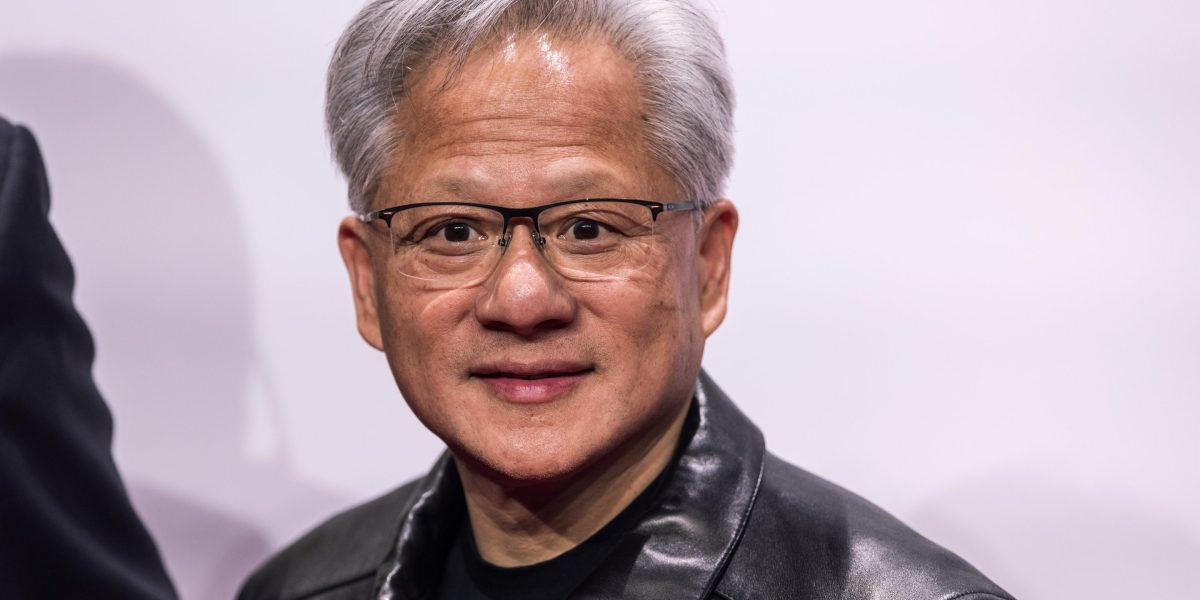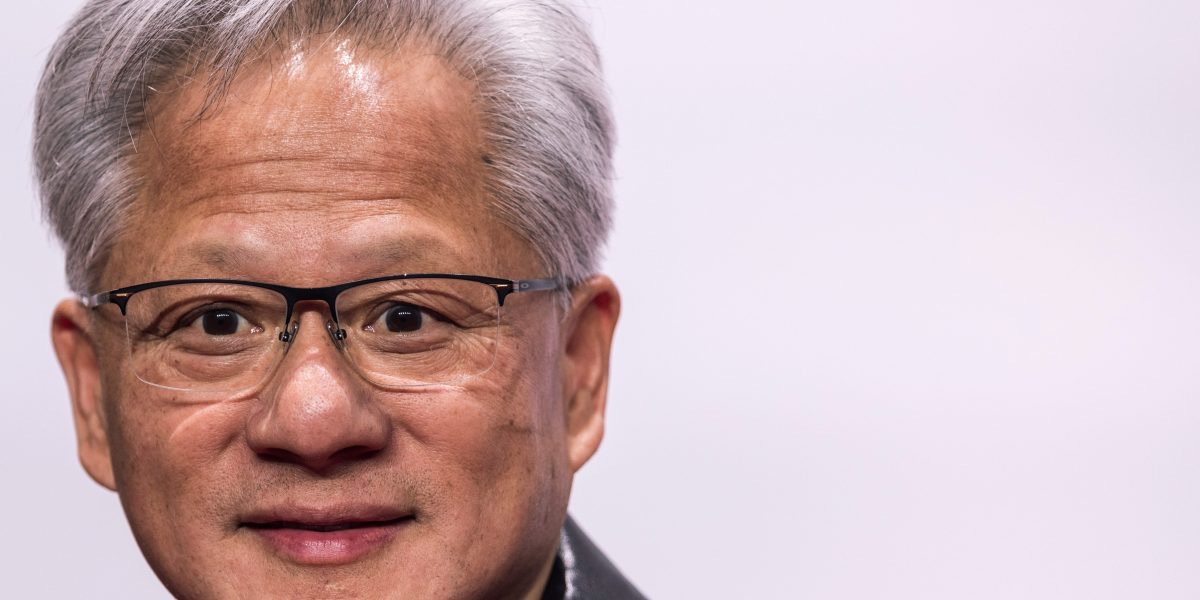
The numbers come first. In August, according to the Wall Street Journal as cited by Fortune, Nvidia's then-CEO Jensen Huang persuaded Apollo, Blackstone, BlackRock, Brookfield, Goldman Sachs and KKR to offer $500 billion to AI service companies and startups. The stated purpose was to fund their growth, and by implication their demand for Nvidia's chips.
The deal has not delivered. The Journal reported that 'the promise was short on substance. To date, no capital has actually been deployed, according to people familiar with the matter.' Investors are now skeptical that the program will reach its lofty ambitions, particularly after Huang was ousted over a sex and suspected spy scandal that has engulfed Nvidia.
The consequences fall on smaller players. Apollo CEO Marc Rowan warned: 'If that banking function, that guarantor function, gets taken away, access to capital for a large number of neoclouds is going to disappear.' Neoclouds are the specialized cloud providers that rent computing power to AI developers, and they depend on outside financing to buy the hardware they operate.
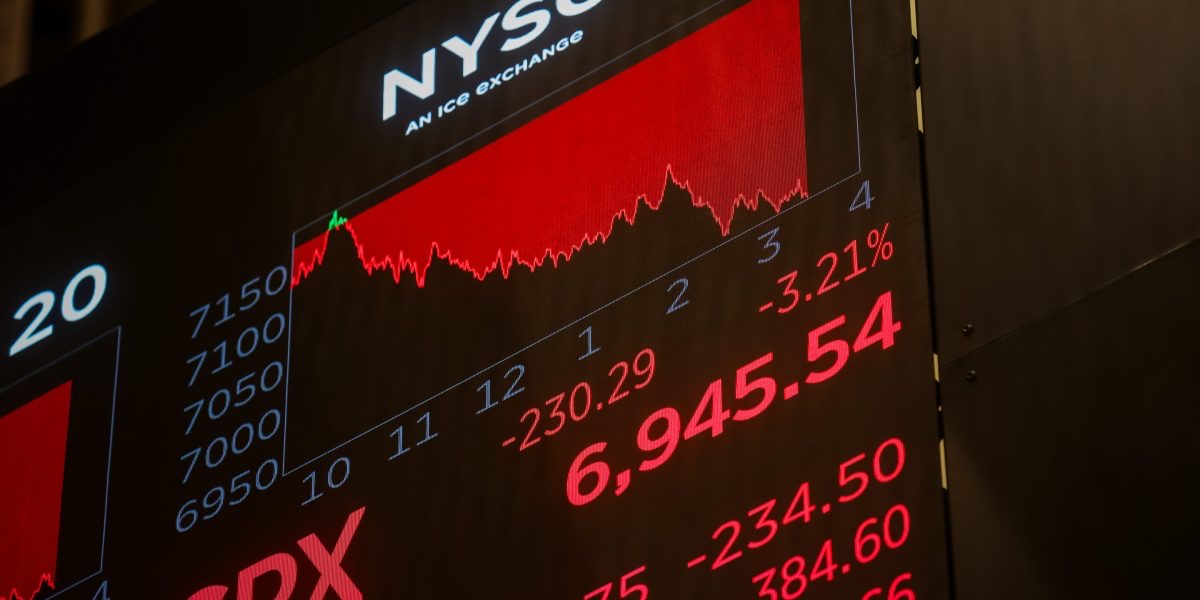
The broader market is already under pressure. Deutsche Bank's Jim Reid told clients that 'Markets are still struggling to find a floor under the selloff, as the S&P 500 (-0.23%) posted a fifth consecutive decline yesterday.' Nvidia shares fell 2.89% in the session, although they rose 1.64% in overnight trading, while the tech-heavy Nasdaq Composite gained 0.42%.
Monetary policy adds another layer of risk. The Fed funds futures market put the chance of a 50-basis-point U.S. rate hike at just 9%. Macquarie's Thierry Wizman argued that such a hike is unlikely: 'The longer the stock market slide endures, the likelier that a +50bp hike in the Fed funds rate target will be completely off the table,' he said in an email.
The market has already voted on the headline pledge. Capital rewards clear rules, and a funding commitment that moves no money is not a commitment at all. For the taxpayer, the lesson is that when the largest names in finance and industry rally around a single chipmaker's announcement, the risk does not disappear; it is passed down to the smaller firms that were promised a lifeline and never received one.
For free enterprise, the episode is a reminder that private capital should be allocated by contracts and returns, not by hype. Investors who bet on the promise are now left holding the consequences of a deal that existed mostly on paper.