The numbers come first. Freddie Mac put the 30-year fixed-rate mortgage at 7.21% as of Wednesday, down slightly from 7.28% the prior week. A year earlier, the same rate stood at 6.23%. The relief was temporary: investors fled to Treasuries during a stock market selloff, pushing bond yields down, and that is hardly a durable foundation for buyers.
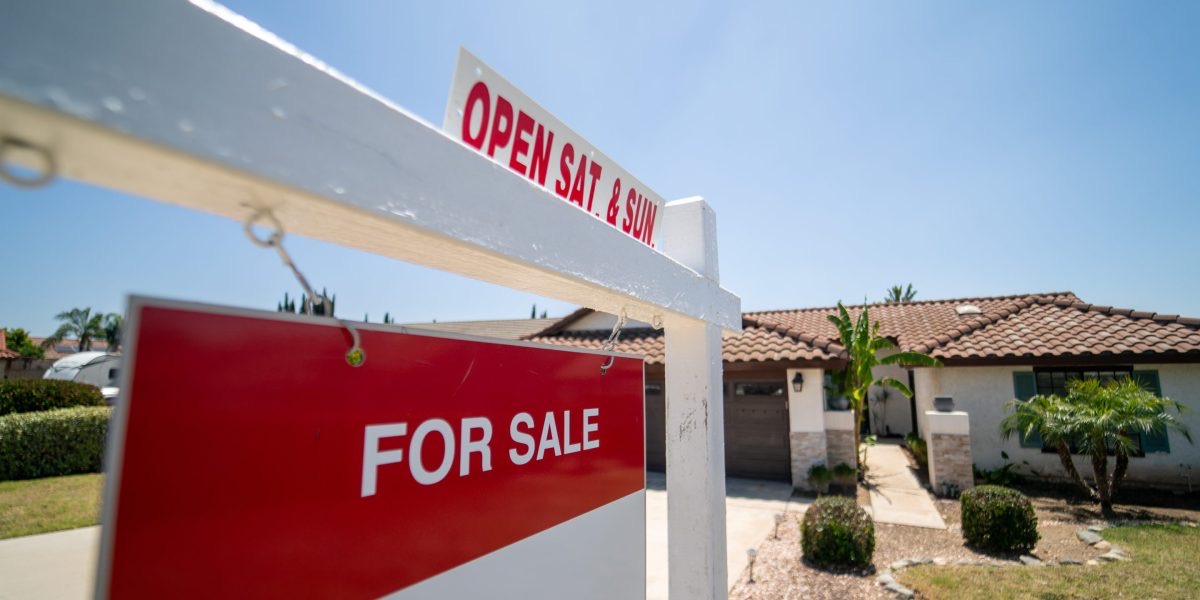
The housing market has frozen. Existing-home sales fell 5.5% in October from the prior month and 8.8% from a year earlier, to an annualized pace of 3.75 million units, the lowest in 16 years. Pending sales, a gauge of future closings, hit a second consecutive record low, down 4.7% month over month and 16.7% year over year. Turnover, the rate at which homes change hands, sits at 3.8% a year, well below the 5% rate seen before the financial crisis.
Zillow now expects mortgage rates to remain above 7% for the rest of this year and through mid-2027, with sales falling another 3.5% and the spring selling season potentially dampened. Zillow CEO Jeremy Wacksman told CNBC that the surge from about 6.60% in July to 7.61% by early October was one of the fastest three-month increases in decades. He said purchase mortgage activity is down 4% year over year and expects a 10% to 15% decline in the fourth quarter.
The pressure is not confined to mortgages. Zillow senior economist Kara Ng wrote that new-lease rents are growing at their fastest pace in 2025 and 2026, so they are no longer pulling down housing inflation measures. Wacksman said buyers 'just not being able to afford the homes they were looking at' are now renting longer, and rents in the third quarter were up nearly 20%. The Federal Reserve is widely expected to keep raising rates because the latest consumer price index came in hotter than expected, with inflation spreading beyond energy. Oil prices have eased while the Iran war continues to simmer without re-escalating, but that has not been enough to change the Fed's stance.
The economy is not weak. Third-quarter GDP jumped 4.3%, the fourth quarter is tracking growth of 2.9%, and AI hyperscalers are expected to push capital expenditures above $1 trillion in 2027. Strong demand gives businesses room to pass higher costs on to consumers, and that keeps inflation sticky.
The editorial reading is straightforward. Rates are high because money is expensive, and money is expensive because inflation is running hot and the central bank is responding with more tightening. Every week the Fed holds that line, the cost falls on the household trying to buy its first home, the family stuck in a rental it cannot leave, and the young worker who delays a move that would have matched a new job to a new market. Free enterprise can build homes, and inventory is forecast to rise about 11% next year, but supply cannot meet buyers who are priced out. The principle at stake is simple: sound money and a government that does not crowd out private decisions are what let a housing market function. Until inflation is brought under control, the taxpayer and the would-be homebuyer will keep paying for it.