Maybank, Malaysia's largest bank, is taking a deliberately slow path on agentic AI, even as Singaporean rivals already let AI agents pull transaction data and handle tasks for thousands of clients.
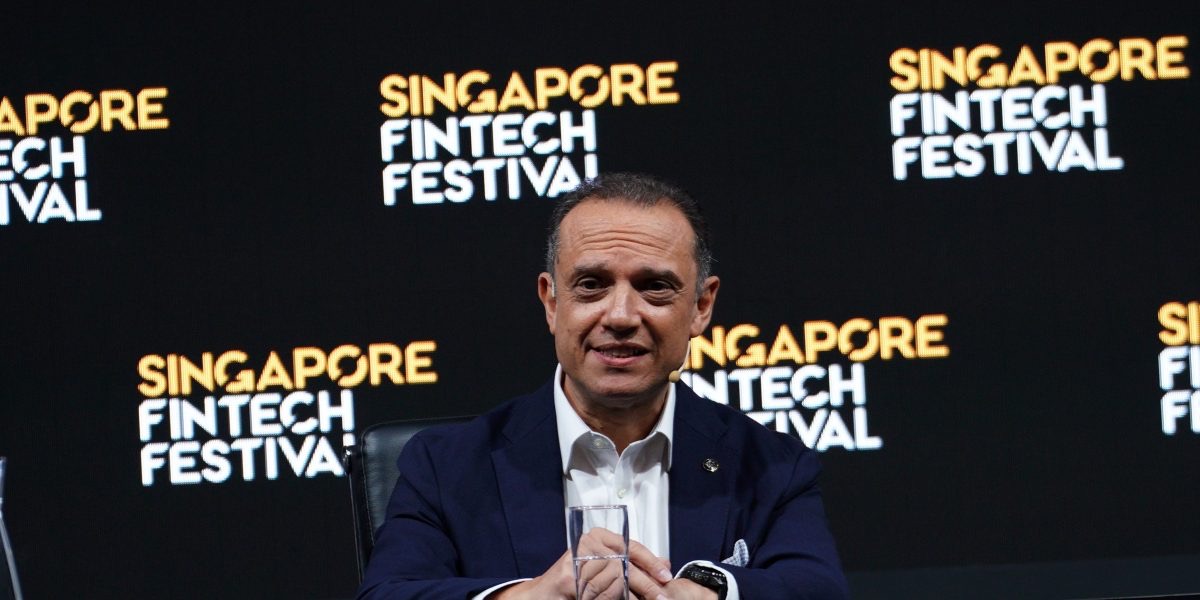
Giorgio Migliarina, the bank's chief technology officer, made the case plainly at the Singapore FinTech Festival. 'Banking is based on trust, and you don't want to put trust in jeopardy just to have a one-month acceleration' in productivity, he said. The bank is spending 10 billion Malaysian ringgit ($2.5 billion) over five years on technology, data and AI under its ROAR30 plan.
The spending is real, but the deployment is cautious. Maybank is using AI heavily inside the organization, as assistants and recommendation engines for staff. It will not put autonomous agents in front of customers until they are 'auditable' and 'predictable.' Migliarina was blunt about the current gap. 'We have proof of concepts, but we don't want to rush [the rollout],' he said. 'It can't be that if I ask agents the same question twice, I get two different answers.'
Caution does not mean inaction. On October 20, Maybank announced it would equip its Resilience Operations Centre, the hub that keeps its systems running, with AI tools from ServiceNow. The tools will apply across the bank's three main markets of Malaysia, Singapore and Indonesia. Migliarina says the system will flag early signs of wear, which he compares to the flickering of a lightbulb, so employees can act before systems fail. 'With AI, we can filter through what constitutes normal activity and what really is the flickering of a lightbulb,' he explained.
The threat environment is also shifting. Financial institutions across Asia, including Japan's SMBC Consumer Finance and South Korea's Shinhan Bank, KB Kookmin Bank and Hana Bank, have been hit by a wave of hacks suspected of being powered by AI. Migliarina described attacks as 'changing in nature, and they are becoming very dynamic.' Every new fintech or payments partner, he noted, widens the ground a hacker can reach.
Migliarina spent almost three decades at telecom giants such as Vodafone and Telkom Malaysia before joining Maybank. He now asks executives to think like venture capitalists. 'You let a thousand flowers bloom, and when some flowers bloom bigger than others, you adjust your focus,' he said of AI pilots.
His own summary of the strategy is 'It's not a wait-and-see approach. But it's again not rushing and breaking things in the process.'
The market has already voted on reckless deployment in banking, and the costs are not abstract. Capital rewards clear rules, and a bank that loses customer trust pays for it in deposits and margins long before any productivity gain shows up on a balance sheet. Maybank's approach treats trust as a balance-sheet asset.
That is the right instinct for a lender that answers to shareholders and to the depositors who fund it. Free enterprise works best when institutions are accountable for the outcomes they produce, and an agent that gives two different answers to the same question is a liability that no quarterly productivity figure can offset. Auditability is not bureaucratic drag; it is the discipline that lets a market trust what it is buying.
For investors, the lesson is patience paired with spending. A bank that commits $2.5 billion while refusing to gamble its customer base is betting that durable trust, not first-mover headlines, will decide who wins the next decade of Southeast Asian banking.